Active Learning Techniques
- Spaced Repetition: Reviewing material at increasing intervals (e.g., 5 minutes, 1 hour, 1 day) strengthens memory.
- Retrieval Practice: Actively recalling information without notes forces your brain to retrieve it from memory. Use flashcards, practice questions, or write summaries.
- Interleaving: Mix up different subjects or concepts while studying instead of focusing on one topic at a time. This improves retention and reduces forgetting.
- Elaboration: Connect new information to existing knowledge by explaining it to yourself or others. This helps you understand and remember it better.
- Active Reading: Highlight, annotate, and question the material as you read. This engages your mind and improves comprehension.
Retention Techniques

- Chunking: Break down large amounts of information into smaller, manageable chunks for easier retention.
- Mnemonic Devices: Use memory tricks like acronyms, jingles, or visual associations to aid in remembering.
- Visualization: Create mental images or draw diagrams to represent complex concepts. This helps your brain associate the information with something concrete.
- Summarization: Condense the key points of your notes into brief, concise summaries. This provides a quick overview and aids in retrieval.
- Sleep: Get adequate sleep before and after studying. Sleep consolidates memories and improves performance on exams.
Other Tips

- Set Realistic Goals: Break down your study time into manageable chunks and focus on completing achievable tasks.
- Test Yourself Regularly: Use practice tests or quizzes to identify areas where you need improvement.
- Feedback and Revision: Seek feedback on your work and use it to improve your understanding. Revise your notes and summaries regularly.
- Create a Positive Mindset: Believe in your ability to succeed and stay focused on your goals.
- Seek Support: Join study groups, connect with classmates, or ask for guidance from instructors when needed.## Achieving Exam Success With Active Learning And Retention Techniques
Executive Summary
Exam success requires effective learning and retention strategies. This article explores active learning and retention techniques to enhance your exam preparation. By implementing these techniques, you can significantly improve your comprehension, memory, and overall academic performance.
Introduction
In today’s competitive academic landscape, exam success is paramount. Beyond merely accumulating knowledge, students must master active learning and retention techniques to maximize their exam preparation and achieve their academic goals. This article delves into the fundamental principles of active learning and retention, offering practical strategies that can revolutionize your exam preparation.
FAQs
- What is active learning?
Active learning engages students in the learning process, fostering critical thinking, problem-solving, and knowledge application. - How can I improve my retention?
Effective retention techniques include spaced repetition, active recall, and elaborative encoding, which enhance memory consolidation. - What are some common obstacles to exam success?
Common obstacles include procrastination, ineffective study methods, and anxiety.
Subtopics
Spaced Repetition
Spaced repetition involves reviewing material at increasing intervals, strengthening memory traces and preventing forgetting.
- Review material regularly: Space out review sessions over time, allowing the brain to process and consolidate information.
- Use flashcards: Utilize flashcards to test your recall and identify areas for improvement.
- Take breaks between study sessions: Allow your brain to rest and process information effectively.
Active Recall
Active recall forces you to retrieve information from memory without relying on notes, enhancing your comprehension and long-term retention.
- Test yourself regularly: Conduct practice quizzes or engage in self-testing to recall information from memory.
- Summarize concepts: Summarize key concepts and ideas to reinforce your understanding.
- Teach the material to others: Explaining concepts to others forces you to organize and retrieve information from your memory.
Elaborative Encoding
Elaborative encoding connects new information to existing knowledge, increasing its significance and retention.
- Connect new information to personal experiences: Relate new material to your own experiences, making it more meaningful.
- Create mental images: Visualize concepts and ideas to enhance memory and comprehension.
- Generate analogies and metaphors: Compare and contrast new information with familiar concepts, fostering understanding and retention.
Metacognition
Metacognition involves reflecting on your learning process, identifying areas for improvement, and adjusting your strategies accordingly.
- Monitor your understanding: Regularly assess your knowledge and identify areas where you need additional support.
- Evaluate your study methods: Analyze the effectiveness of your study techniques and make necessary adjustments.
- Set realistic goals: Establish achievable study goals and break down large tasks into smaller, manageable chunks.
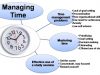
Time Management
Effective time management is crucial for maximizing study efficiency and reducing stress.
- Create a study schedule: Plan your study sessions in advance and allocate sufficient time for each subject.
- Prioritize tasks: Identify the most important tasks and allocate more time to them.
- Take breaks: Scheduled breaks are essential for maintaining focus and preventing burnout.
Conclusion
Exam success is not solely dependent on accumulating knowledge but also on employing effective learning and retention techniques. By implementing active learning strategies such as spaced repetition, active recall, and elaborative encoding, you can significantly enhance your comprehension and memory. Additionally, developing metacognition and time management skills will empower you to optimize your study process and achieve your academic goals. Embrace these techniques today and unlock your potential for exam success.
Keyword Tags
- Active Learning
- Retention Techniques
- Exam Preparation
- Spaced Repetition
- Metacognition