Sustainable Productivity: The Pivotal Role of Breaks in Achieving Long-Term Success
In the relentless pursuit of productivity, the importance of breaks often goes overlooked. However, recent research and empirical evidence have unequivocally established the critical role of breaks in fostering sustainable productivity and long-term success.

The Physiology of Breaks
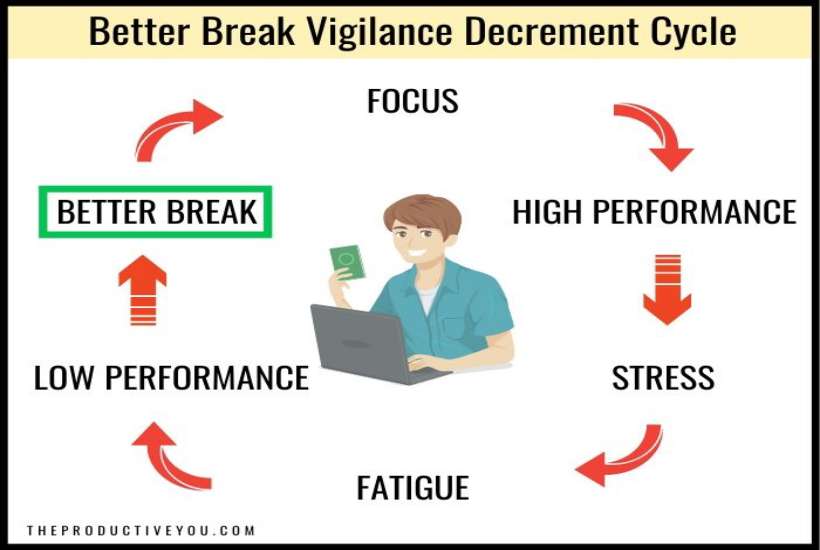
Our brains, like any other organ, require periods of rest to function optimally. Extended periods of intense focus deplete our cognitive resources, leading to decreased attention, impaired decision-making, and reduced productivity. Breaks, by providing a brief respite, allow our brains to replenish these resources, enhancing our ability to concentrate and perform at a high level over extended periods.
Cognitive Benefits
- Improved Focus: Breaks break up monotonous tasks, preventing mental fatigue and improving attention to detail.
- Enhanced Creativity: Breaks stimulate the brain’s default mode network, which is responsible for imaginative thinking and problem-solving.
- Increased Memory Retention: Research suggests that breaks improve the consolidation of memories, boosting our ability to recall and apply information.
Physical Benefits
- Reduced Stress: Breaks provide a physical outlet for pent-up tension, reducing stress levels and improving overall well-being.
- Improved Circulation: Brief periods of movement during breaks help promote blood flow to the brain and body, boosting energy and reducing muscle strain.
- Decreased Eye Fatigue: Breaks give our eyes a chance to rest from intense computer use, preventing dry eyes and headaches.
Practical Implementation
- Schedule Regular Breaks: Establish a structured schedule with short breaks (5-15 minutes) throughout the day.
- Step Away from Your Desk: Physically move away from your workspace to break the cycle of repetitive motions and clear your mind.
- Engage in Mindful Activities: Use break time for activities like meditation, deep breathing, or listening to soothing music.
- Reward Yourself: Associate breaks with something you enjoy, making them more likely to become a habit.
Long-Term Success
By embracing the concept of sustainable productivity through regular breaks, individuals can reap the following long-term benefits:
- Enhanced Productivity: Maintain high levels of productivity over extended periods without experiencing burnout.
- Improved Decision-Making: Breaks foster clear thinking and reduce the likelihood of impulsive or erroneous decisions.
- Increased Job Satisfaction: Breaks promote a sense of well-being and reduce stress, enhancing overall job satisfaction.
- Improved Health and Longevity: Regular breaks promote physical and mental health, contributing to a longer and healthier life.
Conclusion
Taking breaks is not a sign of laziness or inefficiency; rather, it is an indispensable practice that empowers individuals to achieve sustainable productivity and long-term success. By incorporating regular breaks into their workdays, individuals can optimize their cognitive and physical performance, reduce stress, and enhance their overall well-being, paving the way for a more fulfilling and productive life.## Sustainable Productivity: How Taking Breaks Leads To Long-term Success
Executive Summary
In today’s fast-paced world, we are constantly bombarded with information and demands on our time. It can be tempting to try to power through and get as much done as possible, but research has shown that taking breaks is essential for maintaining productivity and long-term success. When we take breaks, we give our minds and bodies a chance to rest and recharge, which allows us to come back to our work refreshed and focused. This article will explore the benefits of taking breaks, how to take effective breaks, and how to overcome the challenges of taking breaks in a busy work environment.
Introduction
In a world that is increasingly demanding, it is more important than ever to find ways to work sustainably. One of the most important things we can do to improve our productivity and long-term success is to take regular breaks. When we take breaks, we give our minds and bodies a chance to rest and recharge, which allows us to come back to our work refreshed and focused.
FAQs
1. Why is it important to take breaks?
Taking breaks helps to improve our focus, creativity, and productivity. When we take breaks, we give our brains a chance to rest and consolidate information. This allows us to come back to our work refreshed and with a new perspective.
2. How often should I take breaks?
The ideal frequency and duration of breaks will vary depending on the individual and the type of work they are doing. However, a good rule of thumb is to take a 5-10 minute break every hour or so.
3. What are some effective ways to take breaks?
There are many different ways to take effective breaks. Some people prefer to take short breaks throughout the day, while others prefer to take longer breaks less frequently. Some people find that it is helpful to get up and move around during their breaks, while others prefer to relax and clear their minds. The most important thing is to find a break routine that works for you and stick to it.
Subtopics
The Science of Breaks
Research has shown that taking breaks can improve our focus, creativity, and productivity. When we take breaks, we give our brains a chance to rest and consolidate information. This allows us to come back to our work refreshed and with a new perspective.
- Reduce stress and anxiety
- Improved mood and well-being
- Increased energy and alertness
The Benefits of Breaks
There are many benefits to taking breaks, including:
- Improved focus and concentration: When we take breaks, we give our brains a chance to rest and recharge. This allows us to come back to our work refreshed and focused.
- Increased productivity: Taking breaks can actually help us to be more productive. When we take breaks, we are able to come back to our work with a fresh perspective and a renewed sense of energy.
- Reduced stress and burnout: Taking breaks can help to reduce stress and burnout. When we take breaks, we give ourselves a chance to relax and clear our minds. This can help to reduce stress levels and prevent burnout.
- Improved creativity: Taking breaks can help to improve creativity. When we take breaks, we give our brains a chance to wander and generate new ideas.
- Better decision-making: Taking breaks can help us to make better decisions. When we take breaks, we give ourselves a chance to step back from our work and see things from a different perspective. This can help us to make more informed and thoughtful decisions.
How to Take Effective Breaks
To get the most benefits from breaks, it is important to take them effectively. Here are a few tips for taking effective breaks:
- Take breaks regularly. The ideal frequency and duration of breaks will vary depending on the individual and the type of work they are doing. However, a good rule of thumb is to take a 5-10 minute break every hour or so.
- Get up and move around. One of the best ways to take a break is to get up and move around. This will help to improve your circulation and wake you up.
- Clear your mind. If you can, try to clear your mind during your breaks. This will help you to come back to your work refreshed and focused.
- Avoid distractions. It is important to avoid distractions during your breaks. This means avoiding checking your email, social media, or other work-related materials.
- Do something you enjoy. The best way to take a break is to do something you enjoy. This could be anything from reading a book, listening to music, or spending time with friends.
Overcoming Challenges to Taking Breaks
Taking breaks can be challenging, especially in a busy work environment. However, it is important to remember that taking breaks is essential for your productivity and long-term success. Here are a few tips for overcoming the challenges to taking breaks:
- Plan your breaks. One of the best ways to ensure that you take breaks is to plan them in advance. Schedule breaks into your day and stick to them as much as possible.
- Set boundaries. It is important to set boundaries around your breaks. This means letting your colleagues know that you are taking a break and that you are not to be disturbed.
- Delegate tasks. If you are feeling overwhelmed, don’t be afraid to delegate tasks to others. This will free up some of your time so that you can take breaks.
- Say no. It is important to learn to say no to additional work or commitments. If you are already feeling overwhelmed, don’t be afraid to say no to additional work.
- Take breaks even when you don’t feel like it. It is important to take breaks even when you don’t feel like it. Taking breaks will help you to avoid burnout and improve your productivity in the long run.
Conclusion
Taking breaks is essential for sustainable productivity and long-term success. When we take breaks, we give our minds and bodies a chance to rest and recharge. This allows us to come back to our work refreshed, focused, and creative. It is important to take effective breaks by getting up and moving around, clearing your mind, and avoiding distractions. Taking breaks can be challenging, but it is important to remember that taking breaks is essential for your productivity and long-term success.
Keyword Tags
- Productivity
- Breaks
- Focus
- Creativity
- Burnout