Empowering Individual Learners: The Rise of Adaptive Learning Platforms
Introduction
In the rapidly evolving landscape of education, adaptive learning platforms have emerged as a transformative force, empowering learners to tailor their learning experiences to their unique needs and pace. These platforms harness artificial intelligence (AI) and data analytics to provide personalized learning pathways, empowering students to take control of their educational journeys.
Key Features of Adaptive Learning Platforms
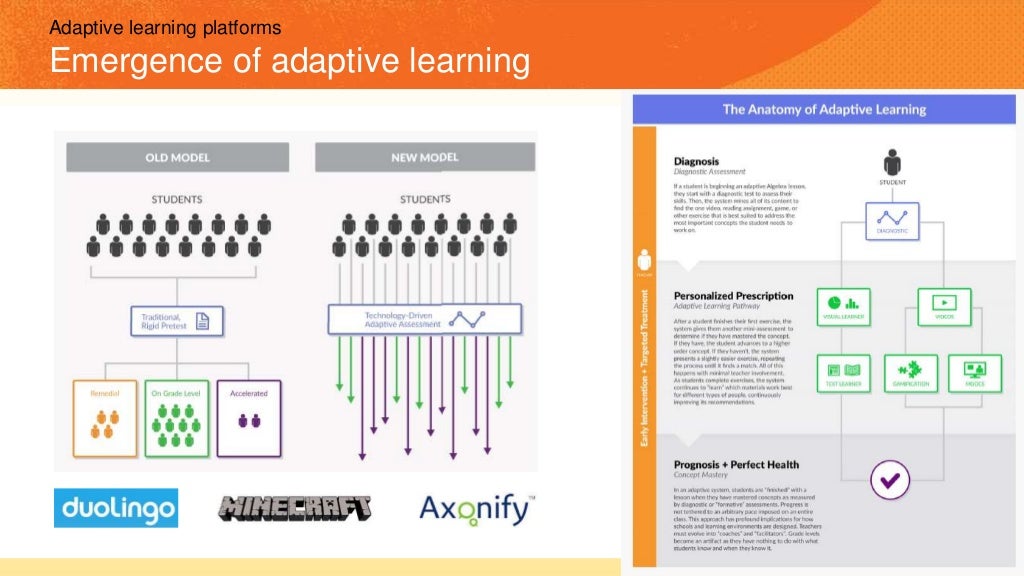
- Personalized Learning Pathways: Adaptive platforms create individualized learning paths based on each learner’s assessment results, learning style, and progress. This targeted approach ensures that learners focus on areas where they need support and advance quickly in areas where they excel.
- Real-Time Feedback: These platforms provide immediate feedback on student responses, allowing them to identify areas where they need improvement and make adjustments accordingly. Continuous feedback fosters a growth mindset and enables learners to stay on track.
- Data-Driven Insights: Adaptive platforms collect and analyze data on student performance. Educators can use these insights to monitor individual progress, identify trends, and make informed decisions about instruction.
- Gamification and Engagement: Many platforms incorporate gamification elements such as badges, points, and leaderboards to enhance motivation and engagement. By making learning more interactive and enjoyable, adaptive platforms help learners stay engaged and retain information.
- Accessibility and Scalability: Adaptive learning platforms are accessible anytime, anywhere, allowing learners to study at their own pace and convenience. The scalability of these platforms makes them suitable for large-scale implementation in diverse educational settings.
Benefits of Adaptive Learning Platforms
- Improved Learning Outcomes: By tailoring instruction to individual needs, adaptive platforms improve student comprehension, retention, and motivation.
- Personalized Learning Experience: Learners can progress at their own rhythm, addressing specific areas of improvement while advancing quickly in areas of strength.
- Reduced Learner Frustration: Adaptive platforms eliminate the need for students to struggle with material they already understand, reducing frustration and fostering a positive learning environment.
- Empowerment of Learners: By giving students control over their learning process, adaptive platforms instill a sense of autonomy and responsibility, empowering them to become lifelong learners.
- Data-Driven Instructional Decision-Making: Data collected by adaptive platforms provides educators with valuable insights to make informed decisions about instruction, intervention, and resource allocation.
Challenges and Considerations
- Cost and Implementation: Implementing adaptive learning platforms can be costly, and requires significant planning and professional development for educators.
- Equity and Access: Ensuring that all learners have access to and can effectively use adaptive learning platforms is critical to promoting equity in education.
- Data Privacy and Security: Adaptive platforms collect sensitive student data, so protecting student privacy and confidentiality is of paramount importance.
- Teacher Support and Collaboration: Educators must be adequately trained and supported to effectively use adaptive learning platforms in conjunction with traditional instruction.
Conclusion
Adaptive learning platforms are revolutionizing the way students learn by providing personalized, data-driven, and engaging learning experiences. By empowering individual learners to take control of their educational journeys, these platforms have the potential to transform education and foster lifelong learning. However, it is essential to address the challenges and considerations associated with their implementation to ensure equitable access and effective use. As the educational landscape continues to evolve, adaptive learning platforms will continue to play a significant role in empowering learners and preparing them for the future.## Empowering Individual Learners: The Rise of Adaptive Learning Platforms
Executive Summary
Adaptive learning platforms revolutionize education by providing personalized learning experiences tailored to each student’s unique needs. These platforms leverage sophisticated algorithms to track student progress, identify skill gaps, and deliver content that aligns with their learning style and pace. As a result, adaptive learning platforms empower individual learners, improving engagement, retention, and overall academic achievement.
Introduction
In today’s rapidly changing world, education must evolve to meet the diverse needs of learners. Traditional one-size-fits-all approaches can no longer keep pace with the demands of the modern classroom. Adaptive learning platforms emerge as a transformative solution by providing highly personalized and engaging learning experiences.
FAQs
1. What is Adaptive Learning?
Adaptive learning refers to the use of technology to deliver customized learning experiences that adjust to the individual learner’s needs, pace, and learning style.
2. How do Adaptive Learning Platforms Work?
Adaptive learning platforms utilize advanced algorithms to track student performance, identify learning gaps, and select content that aligns with their strengths and weaknesses. The platform continuously adjusts the learning path based on the student’s progress, providing targeted instruction and support.
3. What are the Benefits of Adaptive Learning?
Adaptive learning offers numerous benefits, including increased student engagement, improved retention rates, personalized learning experiences, accelerated learning, and enhanced motivation.
Top 5 Subtopics of Adaptive Learning Platforms
Content Personalization
Adaptive learning platforms leverage data analytics to create personalized learning paths for each student. This includes adapting content to the student’s:
- Learning style (visual, auditory, kinesthetic)
- Learning pace (accelerated, average, remedial)
- Prior knowledge (existing skills and understanding)
Real-Time Feedback
Adaptive learning platforms provide real-time feedback to students on their progress. This includes:
- Performance insights (identify areas of improvement)
- Personalized recommendations (suggest additional resources or activities)
- Progress tracking (show strengths and weaknesses)
Data-Driven Insights
Adaptive learning platforms collect and analyze vast amounts of data on student performance. This data is used to:
- Identify learning trends and patterns
- Diagnose skill gaps and misconceptions
- Inform curriculum development and instruction
Gamification and Engagement
Adaptive learning platforms often incorporate gamification elements to make learning more engaging. This can include:
- Points and rewards (motivate students)
- Challenges and competitions (foster collaboration)
- Virtual simulations and scenarios (provide interactive learning experiences)
Teacher Support and Collaboration
Adaptive learning platforms can be seamlessly integrated into existing educational systems, providing teachers with valuable insights into student progress. Teachers can use this data to:
- Differentiate instruction (tailor lessons to individual student needs)
- Identify students who need additional support
- Collaborate with other teachers and share best practices
Conclusion
Adaptive learning platforms are transforming the way students learn, providing a personalized, engaging, and effective learning experience that empowers individual learners to succeed. By leveraging technology to tailor instruction to each student’s unique needs, adaptive learning platforms are unlocking the potential of every learner and fostering a love of learning in the 21st century.
Keyword Tags
- Adaptive Learning Platforms
- Personalized Learning
- Data Analytics in Education
- Gamification in Education
- Teacher Collaboration