Artificial Intelligence (AI) and Gamification: Revolutionizing Education

The integration of AI and gamification has become a transformative force in education. By leveraging these technologies, educators can create highly engaging and personalized learning experiences that cater to the diverse needs and preferences of students.
AI in Education

AI-powered technologies offer a wide range of benefits for educators and learners alike:
- Personalized Learning: AI can analyze student data to identify individual strengths, weaknesses, and learning styles. It can then create tailored learning paths that optimize progress and address specific areas of improvement.
- Intelligent Feedback: AI-driven virtual assistants provide instant feedback on assignments and assessments, giving students real-time insights into their performance and areas where they need to focus.
- Automated Grading: AI can automate time-consuming grading tasks, freeing up teachers to focus on providing more meaningful feedback and support to students.
Gamification in Education
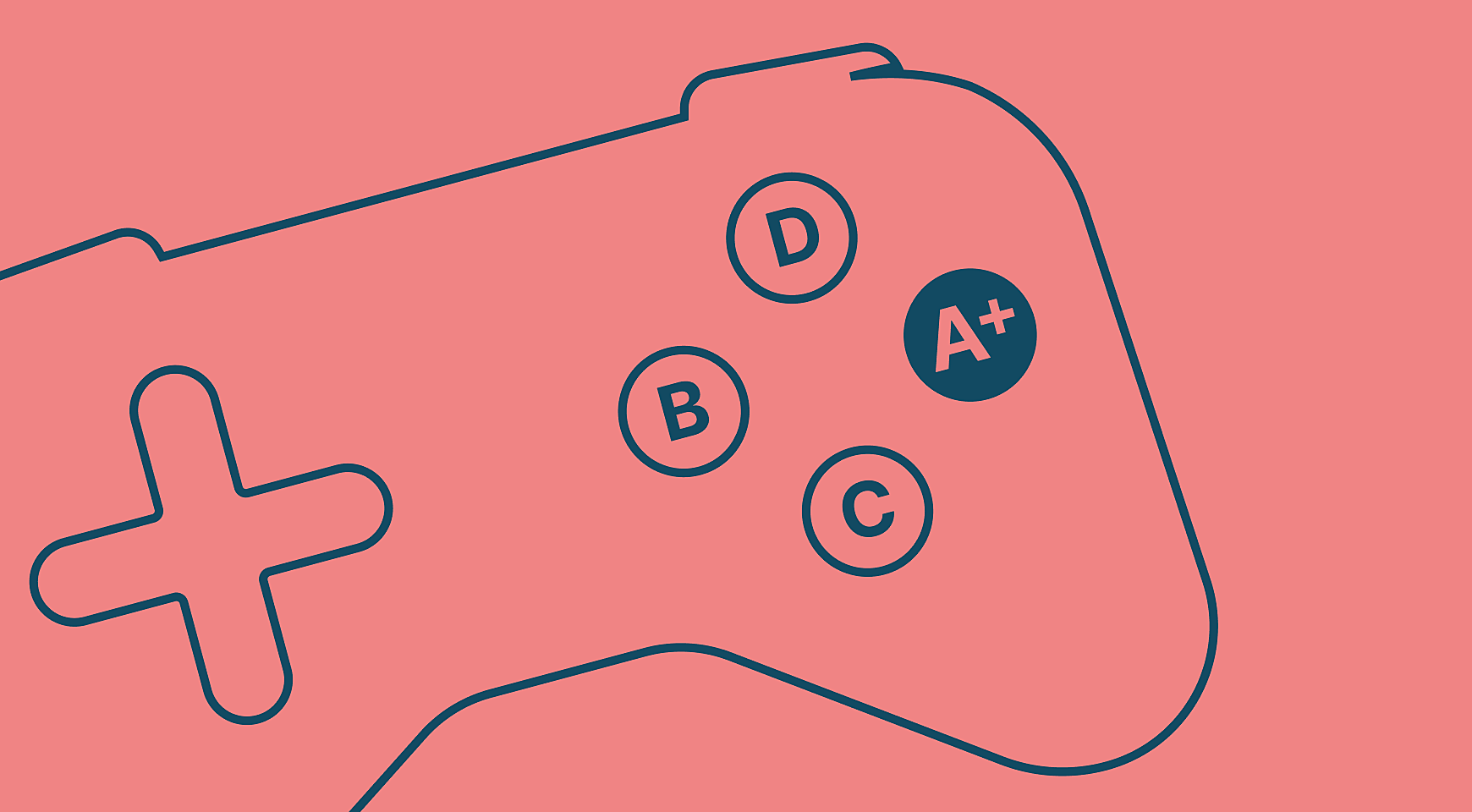
Gamification involves incorporating game-like elements into learning experiences, such as points, badges, rewards, and challenges. This helps to:
- Increase Motivation: Game-based activities tap into students’ natural desire for competition and achievement, making learning more fun and engaging.
- Enhance Retention: By rewarding students for completing tasks and achieving milestones, gamification helps them remember and retain information more effectively.
- Foster Collaboration: Multiplayer games promote teamwork, problem-solving, and communication skills among students.
AI and Gamification in Practice
Combining AI and gamification creates a powerful synergy that can transform education. Here are some examples of how these technologies are being used in real-world settings:
- Personalized Learning Platform: The Khan Academy uses AI to create individualized learning plans for students. It also incorporates game-like features such as progress bars and challenges to keep them motivated.
- Interactive Simulations: SimCityEdu is a simulation game that allows students to build and manage their own cities. AI-powered virtual advisors provide guidance and feedback throughout the experience.
- Virtual Reality Games: Labster offers immersive virtual reality games that allow students to conduct hands-on experiments in a safe and interactive environment. AI monitors student progress and provides personalized support.
Benefits of AI and Gamification in Education
The integration of AI and gamification in education offers numerous benefits:
- Improved Engagement: Game-like elements and personalized content enhance student interest and make learning more enjoyable.
- Enhanced Learning Outcomes: AI-driven insights and personalized feedback help students improve their understanding and skills.
- Equity and Access: AI and gamification can provide equal opportunities for all learners, regardless of their background or learning style.
- Teacher Empowerment: These technologies free up teachers from repetitive tasks and allow them to focus on providing high-quality instruction and support to students.
Conclusion
The convergence of AI and gamification is revolutionizing education by creating engaging, personalized, and equitable learning experiences. As these technologies continue to evolve, they will play an increasingly important role in transforming how we teach and learn. By harnessing the power of AI and gamification, educators can unlock the full potential of students and ignite a passion for learning that will last a lifetime.## Ai And Gamification: Transforming Education Into An Engaging Experience
Executive Summary
The integration of artificial intelligence (AI) and gamification techniques has revolutionized the educational landscape, transforming it into an immersive and captivating experience. By leveraging the power of AI, educators can personalize learning journeys, provide instant feedback, and create interactive simulations that enhance student engagement and knowledge retention. This groundbreaking approach not only fosters a lifelong love of learning but also equips students with the skills necessary to thrive in a rapidly evolving workforce.
Introduction
Education has traditionally been a rigid and often monotonous process, with students passively receiving information through lectures and textbooks. However, with the advent of AI and gamification, learning has undergone a profound transformation. By harnessing the power of technology, educators can now create dynamic and personalized learning environments that cater to the unique needs of each student.
FAQs
What is gamification?
Gamification is the process of integrating game mechanics, such as points, rewards, and challenges, into non-game contexts to motivate and engage participants.How does AI enhance gamification in education?
AI can analyze student data to provide personalized feedback, track progress, and create adaptive challenges that cater to individual learning styles.What are the benefits of using AI and gamification in education?
AI and gamification can enhance student engagement, improve knowledge retention, foster collaboration, and develop critical thinking skills.
Subtopics
Personalized Learning
- AI-powered recommendations: AI algorithms analyze student data to identify strengths, weaknesses, and learning styles, recommending tailored learning pathways.
- Adaptive content: AI-generated content adjusts to the student’s pace and understanding, providing appropriate challenges and support.
- Personalized feedback: AI provides real-time feedback on assignments, quizzes, and discussions, enabling students to identify areas for improvement.
- Goal-oriented learning: Students set their own learning goals and track their progress toward mastery, fostering self-motivation and accountability.
Immersive Simulations
- Virtual reality experiences: VR simulations transport students to real-world or historical scenarios, allowing them to experience immersive learning environments.
- Augmented reality overlays: AR technology superimposes virtual content onto the real world, enhancing field trips and hands-on experiments.
- Interactive simulations: AI-powered simulations allow students to explore complex concepts and test hypotheses in a safe and controlled environment.
- Branching storylines: AI-generated branching storylines enable students to make choices that influence the narrative and outcome of their learning experience.
Social Collaboration
- Collaborative games: Students work together in teams to solve problems, complete challenges, and achieve shared learning goals.
- Peer feedback: AI-mediated peer feedback allows students to provide and receive constructive comments, fostering a sense of community and shared responsibility.
- Social rewards: Students earn rewards and recognition for participating in discussions, sharing resources, and helping others.
- Community challenges: Students collaborate on projects and competitions that foster a sense of belonging and promote teamwork.
Gamified Assessments
- Points and badges: Students earn points and badges for completing tasks, quizzes, and assignments, providing motivation and a sense of accomplishment.
- Leaderboards and rankings: Leaderboards and rankings foster friendly competition and encourage students to strive for excellence.
- Virtual currencies and rewards: AI-powered virtual economies allow students to purchase in-game items and rewards, incentivizing learning.
- Adaptive challenges: AI-generated challenges adjust to the student’s level of proficiency, providing appropriate levels of difficulty and fostering continuous growth.
Critical Thinking and Problem Solving
- Problem-based learning: AI-powered simulations present students with real-world problems to solve, developing critical thinking and decision-making skills.
- Case studies and scenarios: Students analyze case studies and scenarios, applying knowledge and skills to solve complex problems in a simulated environment.
- Inquiry-based learning: AI-guided inquiry-based learning encourages students to ask questions, investigate hypotheses, and draw conclusions.
- Creative challenges: AI-generated creative challenges foster imagination, innovation, and the application of knowledge to novel situations.
Conclusion
The integration of AI and gamification in education has brought about a paradigm shift, transforming learning into an engaging and highly effective experience. By personalizing learning pathways, creating immersive simulations, promoting social collaboration, gamifying assessments, and developing critical thinking skills, AI and gamification empower students to become active participants in their education. As this innovative approach continues to evolve, it holds the potential to revolutionize education, inspiring a new generation of lifelong learners who are equipped with the knowledge and skills to thrive in the 21st century.
Keyword Tags
- AI in Education
- Gamification in Education
- Personalized Learning
- Immersive Simulations
- Critical Thinking Skills