
Ai-Assisted Learning: Revolutionizing Education For Special Needs Students
Introduction:
The integration of artificial intelligence (AI) into education has the potential to transform learning experiences for students with special needs. AI-assisted learning tools can provide personalized support, accessibility, and engagement, enabling these students to thrive academically and socially.
Personalized Learning:
AI can tailor educational content to suit the individual learning styles and needs of special needs students. For example, students with dyslexia can access text-to-speech tools, while students with autism may benefit from visual aids and interactive simulations. This personalization empowers students to learn at their own pace and in ways that are meaningful to them.
Accessibility:
AI can break down barriers to accessibility by providing accessible formats for educational materials. Speech-to-text tools can transcribe lectures for students with hearing impairments, while closed captioning can make videos accessible for students with visual impairments. AI-powered assistive technology can also support students with physical disabilities, such as by providing alternative ways to interact with computers and navigate digital environments.
Engagement:
AI-assisted learning tools can increase engagement by making learning more interactive and motivating. Gamification techniques, such as rewards and progress tracking, can encourage students with special needs to participate actively in their education. Interactive simulations and virtual reality experiences can provide immersive learning experiences that cater to different learning preferences.
Socialization:
Social interaction is crucial for the development of special needs students. AI can facilitate socialization through online platforms and collaborative learning tools. Social skills simulations can provide a safe environment for students to practice social interactions, while online forums and chat rooms can connect students with peers who share similar interests and challenges.
Assessment and Feedback:
AI can provide real-time feedback and assessment, helping students identify areas for improvement. Adaptive learning systems can monitor student progress and adjust the difficulty level of tasks accordingly. AI-powered chatbots can answer questions and provide support, reducing the need for additional assistance from educators.
Empowering Educators:
AI-assisted learning tools can empower educators by providing them with data and insights into student progress. This data can help educators identify students who need additional support and tailor their teaching strategies accordingly. AI can also automate administrative tasks, such as grading and feedback, allowing educators to spend more time focusing on individual students.
Conclusion:
AI-assisted learning holds immense promise for revolutionizing education for special needs students. By providing personalized, accessible, engaging, and supportive learning experiences, AI can help these students overcome barriers to learning and achieve their full potential. As AI technology continues to advance, it is essential to explore and implement innovative ways to leverage its capabilities to create equitable and inclusive educational opportunities for all students.Ai-assisted Learning: Revolutionizing Education For Special Needs Students
Executive Summary
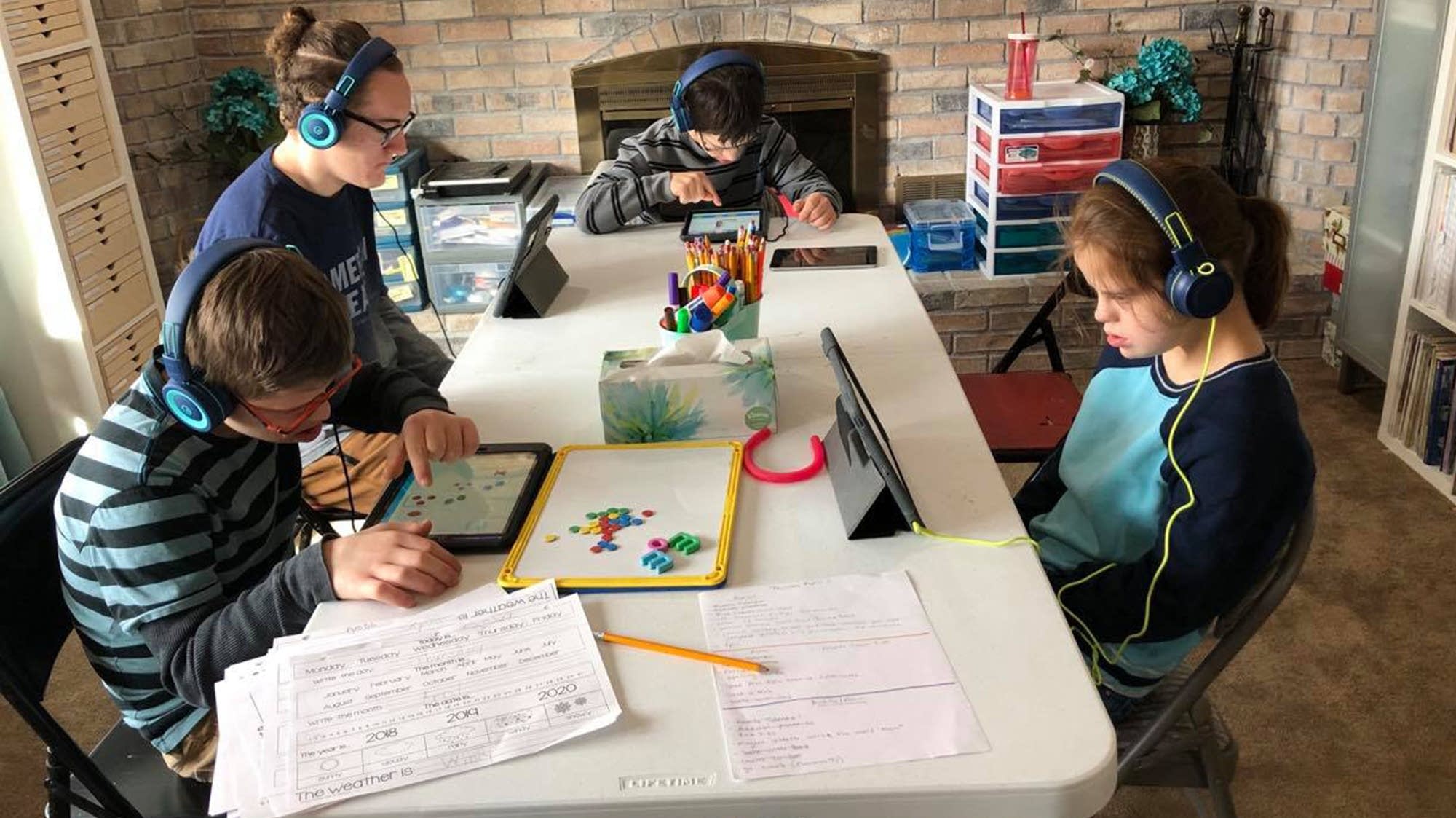
AI-assisted learning is transforming education for special needs students by providing personalized and adaptive learning experiences. This technology has the potential to improve learning outcomes, increase engagement, and empower these students to reach their full academic potential.

Introduction
Special needs students face unique challenges in traditional educational settings, often requiring individualized attention and support. AI-assisted learning offers a promising solution by leveraging technology to tailor learning to each student’s needs.
FAQs
Q: How does AI-assisted learning work for special needs students?
A: AI algorithms analyze student data to identify their strengths and weaknesses, providing personalized learning plans and adaptive content in real-time.
Q: What are the benefits of AI-assisted learning for special needs students?
A: Improved learning outcomes, increased engagement, reduced frustration, and enhanced self-esteem.
Q: Is AI-assisted learning suitable for all special needs students?
A: AI-assisted learning can benefit a wide range of special needs students, including those with learning disabilities, sensory impairments, and emotional difficulties.
Subtopics
Personalized Learning
Description: AI-assisted learning tailors content and activities to each student’s individual needs, pace, and learning style.
- Adaptive algorithms: Adjust difficulty and pacing based on student progress.
- Personalized content: Provides content relevant to student interests and learning goals.
- Learning recommendations: Suggests additional resources and activities based on student performance.
Real-Time Feedback
Description: AI-powered systems provide immediate and specific feedback, helping students identify and address areas for improvement.
- Interactive assessments: Assess student understanding in real-time, providing tailored feedback.
- Progress tracking: Monitors student performance and provides insights into areas of progress and challenges.
- Error detection: Identifies common errors and provides personalized remediation.
Assistive Technologies
Description: AI-assisted learning incorporates assistive technologies that enhance accessibility and support for special needs students.
- Text-to-speech: Converts text into spoken audio, aiding reading comprehension.
- Speech-to-text: Transcribes spoken words into text, supporting students with writing difficulties.
- Visual aids: Provides visual representations of concepts and enhances understanding for students with visual impairments.
Data-Driven Insights
Description: AI analyzes student data to identify trends, patterns, and areas for improvement.
- Performance analysis: Tracks student progress and identifies areas where additional support is needed.
- Learning diagnostics: Pinpoints specific learning difficulties and provides personalized interventions.
- Early intervention: Detects potential learning issues early on, enabling timely interventions.
Collaboration and Communication
Description: AI-assisted learning fosters collaboration between students, teachers, and parents, enhancing communication and support.
- Virtual learning communities: Connects students with peers and professionals for support and collaboration.
- Digital communication: Enables teachers and parents to communicate with students in real-time, providing support and feedback.
- Progress sharing: Provides parents with access to student progress data, fostering transparency and engagement.
Conclusion
AI-assisted learning is revolutionizing education for special needs students by providing personalized, adaptive, and accessible learning experiences. By leveraging technology to meet individual needs, this innovative approach empowers students to succeed academically and reach their full potential. As AI continues to evolve, its impact on special education will only grow, transforming the learning landscape for these students in the years to come.
Keyword Tags
- AI-assisted learning
- Special education
- Personalized learning
- Real-time feedback
- Assistive technologies