The Importance of Prioritization
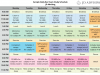
In the pursuit of work-life balance, prioritization plays a pivotal role. By identifying and focusing on essential tasks, individuals can allocate their time and energy effectively, avoiding burnout and maintaining a fulfilling life beyond work.

The Power of “No”

Saying “no” is often seen as a negative response, but in the context of work-life balance, it can be an empowering tool. By assertively declining non-essential tasks or commitments, individuals create space for activities that truly align with their priorities.
Benefits of Saying “No”:
- Preserves time and energy: Allows individuals to conserve resources for tasks that matter most.
- Reduces stress and anxiety: Eliminates the burden of overcommitment and creates a sense of control.
- Promotes self-care: Enables individuals to prioritize their own well-being and avoid overextending themselves.
- Enhances work performance: By focusing on essential tasks, individuals can execute them with greater efficiency and quality.
How to Say “No” Effectively:
- Be clear and direct: State your decision politely but firmly.
- Provide a brief explanation: Share your reasons for declining without overexplaining.
- Offer alternatives: Suggest a different time or person who may be able to assist.
- Be empathetic: Acknowledge the request and express understanding, if appropriate.
- Practice: The more you practice saying “no,” the easier it becomes to do so with confidence.
Tips for Prioritization:
- Use the Eisenhower Matrix: Categorize tasks based on urgency and importance to identify priorities.
- Set boundaries: Establish clear limits between work and personal time to avoid overwork.
- Delegate and outsource: Identify tasks that can be assigned to others or outsourced to free up time.
- Take breaks: Regular intervals of rest and relaxation help prevent burnout and improve productivity.
- Evaluate and adjust: Regularly reassess priorities and make adjustments as needed to maintain work-life balance.
Conclusion:
Saying “no” is an essential skill for achieving work-life balance. By assertively prioritizing and declining non-essential tasks, individuals can create a more fulfilling life with reduced stress, enhanced work performance, and ample time for activities that truly matter.## Balancing Priorities: The Role Of Saying No In Work-life Balance
Executive Summary
Work-life balance is a delicate dance, requiring individuals to navigate the often-competing demands of their professional and personal lives. Saying no plays a crucial role in maintaining this equilibrium, empowering individuals to prioritize their well-being and prevent burnout. By setting boundaries and declining commitments that conflict with their priorities, they can create space for what truly matters, fostering a fulfilling and sustainable life.
Introduction
In today’s fast-paced world, achieving work-life balance can seem like an elusive goal. The constant pressure to perform, both in the workplace and at home, can lead to overwhelming feelings of stress and exhaustion. In this article, we will explore the transformative power of saying no, examining how this simple yet powerful word can help individuals regain control over their time and prioritize what truly matters, fostering a harmonious coexistence between their professional and personal lives.
Frequently Asked Questions (FAQs)
- Why is it so difficult to say no?
- How can I learn to say no without feeling guilty?
- What are the benefits of saying no?
Boundaries and Priorities
Establishing clear boundaries is essential for work-life balance. Saying no to commitments that conflict with personal priorities allows individuals to protect their time and energy, preventing burnout and resentment. When setting boundaries, it is crucial to:
- Identify your priorities: Determine what truly matters to you, both in your professional and personal life.
- Communicate your boundaries: Clearly express your availability and limits to others, explaining that you value your time and well-being.
- Be firm and consistent: Stand your ground and politely decline commitments that do not align with your priorities, avoiding the temptation to overextend yourself.
- Take time for yourself: Schedule regular breaks, vacations, and time for personal activities to recharge and prevent burnout.
Self-Care and Well-being
Prioritizing self-care is vital for overall well-being. By saying no to activities that drain your energy, you can create space for activities that nourish your physical and mental health. Self-care involves:
- Physical health: Engage in regular exercise, maintain a healthy diet, and get sufficient sleep.
- Mental health: Practice mindfulness, meditation, or other stress-reducing techniques.
- Emotional health: Seek support from loved ones, engage in hobbies, or pursue activities that bring you joy and fulfillment.
- Purpose and meaning: Identify and pursue activities that align with your values and life goals, giving your life purpose and direction.
Time Management and Efficiency
Effective time management is crucial for work-life balance. Saying no to non-essential tasks can free up time for activities that truly matter. Time management strategies include:
- Prioritize tasks: Use a to-do list or task manager to organize tasks based on importance and urgency.
- Delegate and outsource: Identify tasks that can be delegated to others, freeing up your time for more critical responsibilities.
- Use technology: Leverage tools such as calendars, task managers, and automation to streamline tasks and enhance efficiency.
- Minimize distractions: Create a dedicated workspace free from distractions, such as noise or social media, to maximize focus and productivity.
Communication and Relationships
Effective communication is essential for navigating work-life balance. Learning to say no respectfully can help individuals maintain healthy relationships and avoid misunderstandings. Communication strategies include:
- Be clear and direct: Explain your reasons for declining a commitment in a polite but firm manner.
- Offer alternatives: If possible, suggest alternative solutions or options that accommodate your availability or priorities.
- Be empathetic: Understand that others may be disappointed, but express your appreciation for their understanding and support.
- Set realistic expectations: Manage expectations by clearly communicating your availability and limits, preventing future disappointment or conflict.
Decision-Making and Boundaries
Making informed decisions is crucial for work-life balance. Saying no to commitments that do not align with your values or priorities empowers individuals to live a more fulfilling life. Decision-making involves:
- Know your values: Identify what is truly important to you and use these values to guide your decisions.
- Consider the long-term: Evaluate how commitments will impact your overall well-being, both in the present and the future.
- Trust your instincts: Listen to your inner voice and learn to recognize when a commitment is not right for you.
- Seek support: Consult with trusted friends, family, or a therapist for guidance or support when making difficult decisions.
Conclusion
Saying no is an indispensable tool for achieving work-life balance. By setting boundaries, prioritizing self-care, and managing time effectively, individuals can create a life that aligns with their values and priorities. Learning to say no empowers individuals to protect their well-being, foster healthy relationships, and pursue a fulfilling and sustainable life, where work and personal life coexist in harmony.
Keyword Tags
- Work-life balance
- Saying no
- Boundaries
- Self-care
- Time management