
The Art of Saying No
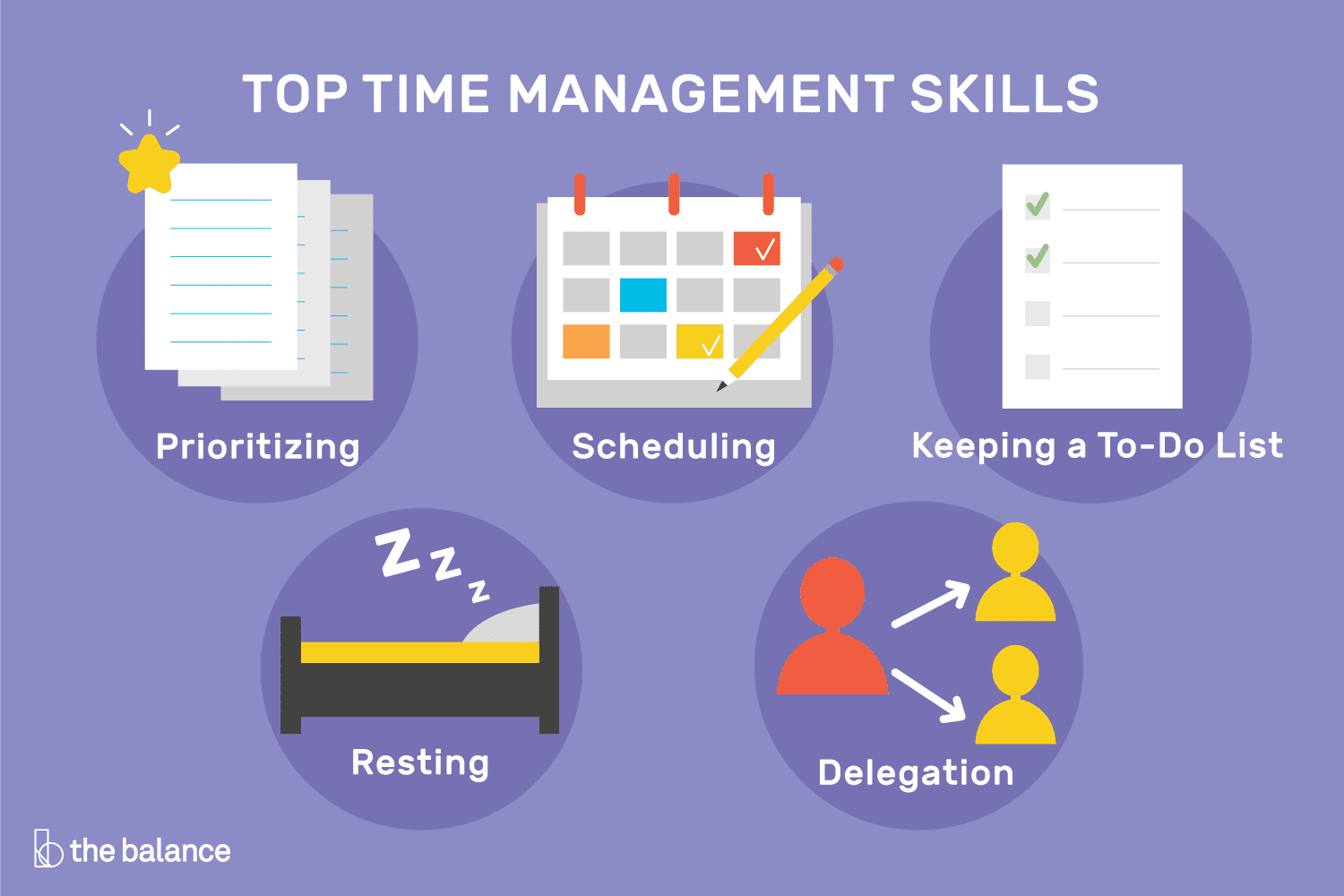
Time management is crucial for productivity and well-being. However, one of the key challenges is mastering the ability to say no to non-essential commitments to safeguard your time and energy. Here are strategies to help you do so:
1. Evaluate Requests Carefully:
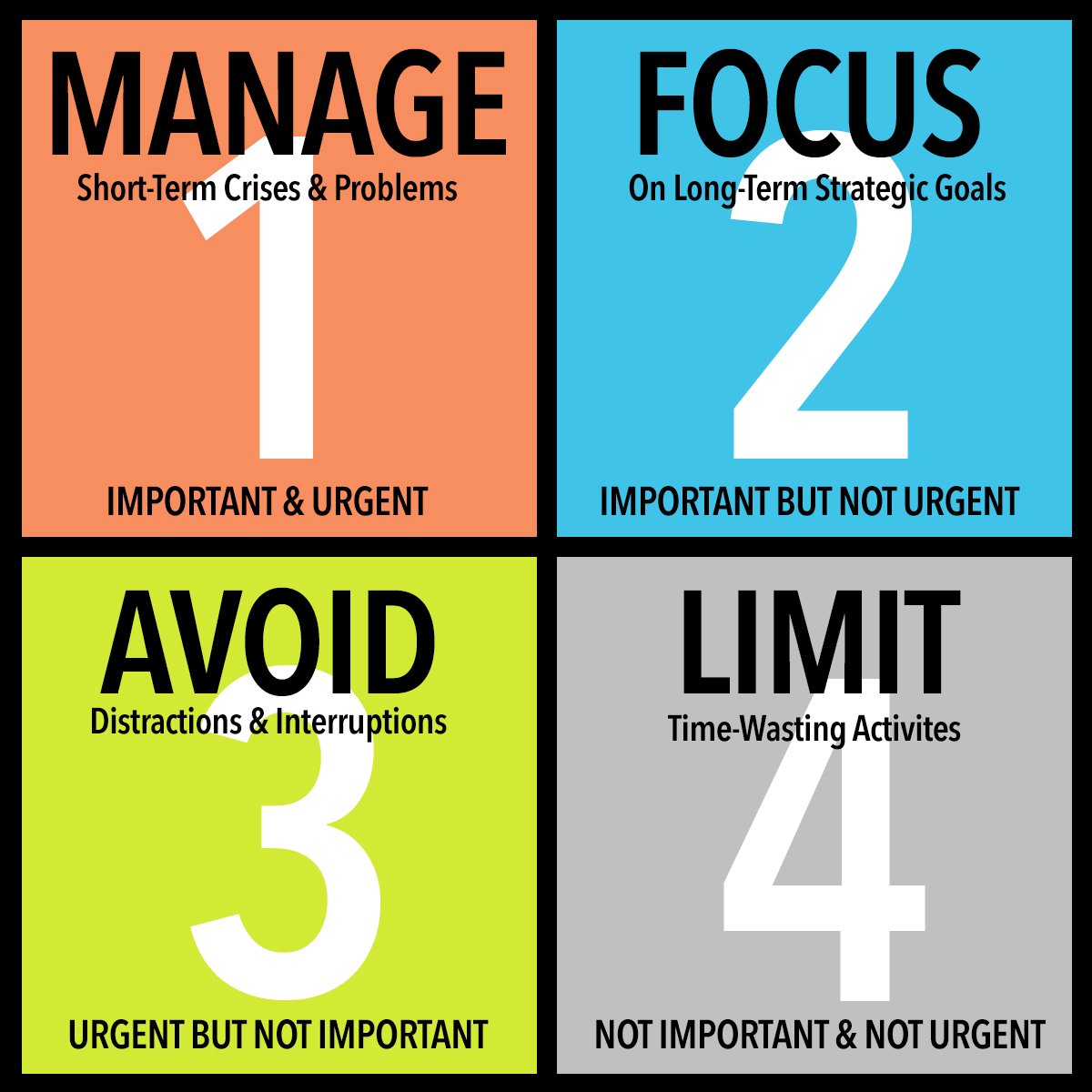
- Take time to consider each request before responding. Ask yourself:
- Does this align with my priorities and goals?
- Is it something I’m passionate about?
- Can I commit to it effectively?
2. Politely Decline:
- Be clear and assertive in your response, but remain respectful.
- Provide a brief explanation if appropriate, but don’t over-explain your decision.
- Example: “Thank you for considering me, but I’m unable to participate due to existing commitments.”
3. Offer Alternatives:
- If possible, suggest alternative solutions or individuals who could help.
- This shows your willingness to cooperate while still setting boundaries.
- Example: “I can’t commit to the task right now, but I know [person] who might be a good fit.”
4. Prioritize Existing Commitments:
- Emphasize that you have already committed to other tasks that take precedence.
- This demonstrates your responsibility and prioritization skills.
- Example: “I’m currently focusing on projects that are vital to my team’s success.”
5. Use “Instead Of” Statements:
- Instead of simply saying no, offer an alternative and potentially more valuable use of your time.
- Example: “I’m unable to attend the meeting, but I’m happy to provide a written summary of my thoughts.”
6. Set Boundaries:
- Clearly communicate your limits and availability.
- Use phrases like:
- “I’m not available for additional commitments at this time.”
- “I respectfully decline requests that conflict with my work hours.”
7. Practice Saying No:
- It takes practice to become comfortable with saying no.
- Role-play with a colleague or friend to gain confidence.
- Remember that it’s okay to prioritize your own well-being and time.
Benefits of Saying No:
- Increased productivity and focus
- Reduced stress and overwhelm
- Improved work-life balance
- Enhanced self-esteem and empowerment
Remember, mastering the art of saying no is not about being selfish. It’s about protecting your time and energy so that you can prioritize the most important tasks and live a more balanced and fulfilling life.## Time Management Strategies: The Art Of Saying No
Executive Summary
This article examines the art of politely and confidently declining requests and commitments that conflict with your priorities and schedule, allowing you to focus on what truly matters.
Introduction
In our fast-paced world, saying no is an essential time management skill that often gets overlooked. When we fail to set boundaries, we end up overwhelmed, stressed, and spread too thin. However, learning to decline requests gracefully and effectively can empower us to take control of our time and live a more balanced life.
FAQs
Why is it so hard to say no?
- Fear of disappointing others
- Guilt or discomfort at letting someone down
- Desire to please or avoid conflict
How can I say no without feeling guilty?
- Express appreciation for the offer
- Explain your reasons politely and firmly
- Suggest alternatives or offer to help in other ways
What if the person is persistent?
- Repeat your decline politely but firmly
- If necessary, set clear boundaries and consequences
Subtopics
1. Identify Your Priorities
The foundation of effective time management is knowing what truly matters to you. Take some time to reflect on your values, goals, and commitments. Once you understand what’s important, it becomes easier to make decisions about how to spend your time.
- Benefits of Identifying Priorities:
- Gives you a clear sense of direction
- Helps you stay focused on what’s most important
- Reduces stress and overwhelm
2. Learn to Politely Decline Requests
Once you have a clear understanding of your priorities, it’s time to practice declining requests that conflict with them. Here are some tips to help you do it gracefully:
- Use “I” Statements:
- Start your response with “I” to convey ownership of your decisions.
- Express Appreciation:
- Begin by thanking the person for their offer or request.
- Explain Your Reasons Concisely:
- Briefly explain why you’re unable to commit, without going into too much detail.
- Suggest Alternatives:
- If possible, offer an alternative way to help or support the person.
- Set Clear Boundaries:
- If necessary, let the person know that you’re not comfortable being pushed or pressured.
3. Handle Persistent Requests
Despite your best efforts, there may be times when someone is persistent in their request. Here are some strategies for handling this:
- Repeat Your Decline Politely:
- Repeat your decision firmly but respectfully.
- State Your Boundaries:
- Explain that you have clear boundaries and that you’re not willing to compromise.
- Offer Consequences:
- If necessary, let the person know that there will be consequences for disrespecting your boundaries.
4. Practice Self-Care
Protecting your time and energy is crucial for effective time management. Make sure to prioritize your own needs and engage in activities that nourish your well-being.
- Benefits of Self-Care:
- Reduces stress and anxiety
- Improves mental and physical health
- Gives you the energy to accomplish your goals
5. Be Assertive and Confident
Asserting your preferences and boundaries can be uncomfortable at first, but it’s essential for protecting your time and well-being. Practice being assertive and confident in your decisions.
- Benefits of Assertiveness:
- Gives you a sense of control and empowerment
- Reduces stress and conflict
- Improves your relationships
Conclusion
The art of saying no is a powerful tool for effective time management. By politely and confidently declining requests that conflict with your priorities, you can create a more balanced and fulfilling life. Remember to identify your priorities, learn to decline requests gracefully, handle persistent requests, prioritize self-care, and practice assertiveness. With these strategies, you can take back control of your time and live the life you truly want.
Keyword Tags:
- Time Management
- Saying No
- Boundaries
- Priorities
- Self-Care