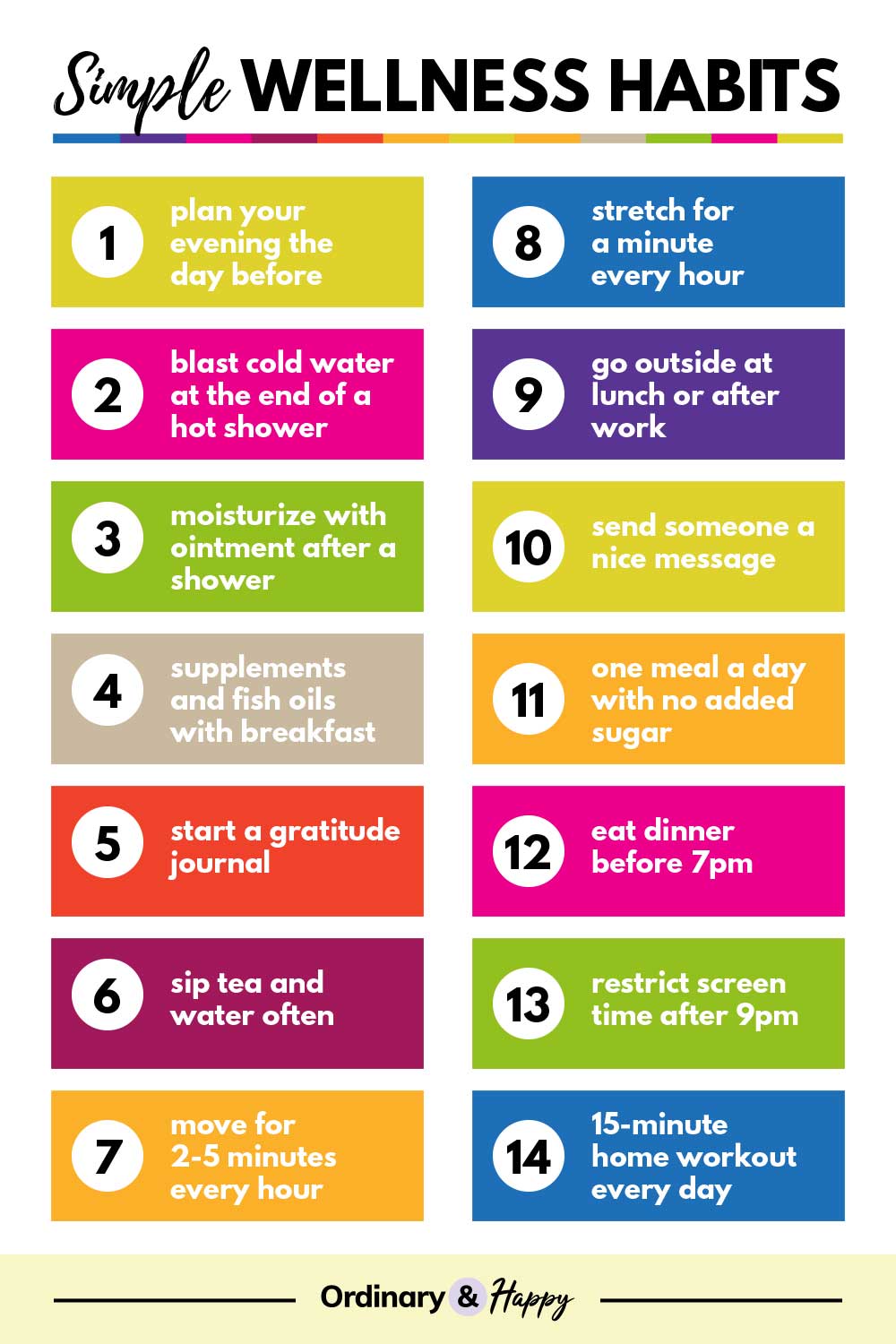
Maintain a Healthy Diet
- Prioritize fruits, vegetables, and whole grains.
- Cook meals regularly instead of relying on takeout or processed foods.
- Limit sugary drinks, processed snacks, and unhealthy fats.
- Consider consulting with a registered dietitian for personalized guidance.
Exercise Regularly
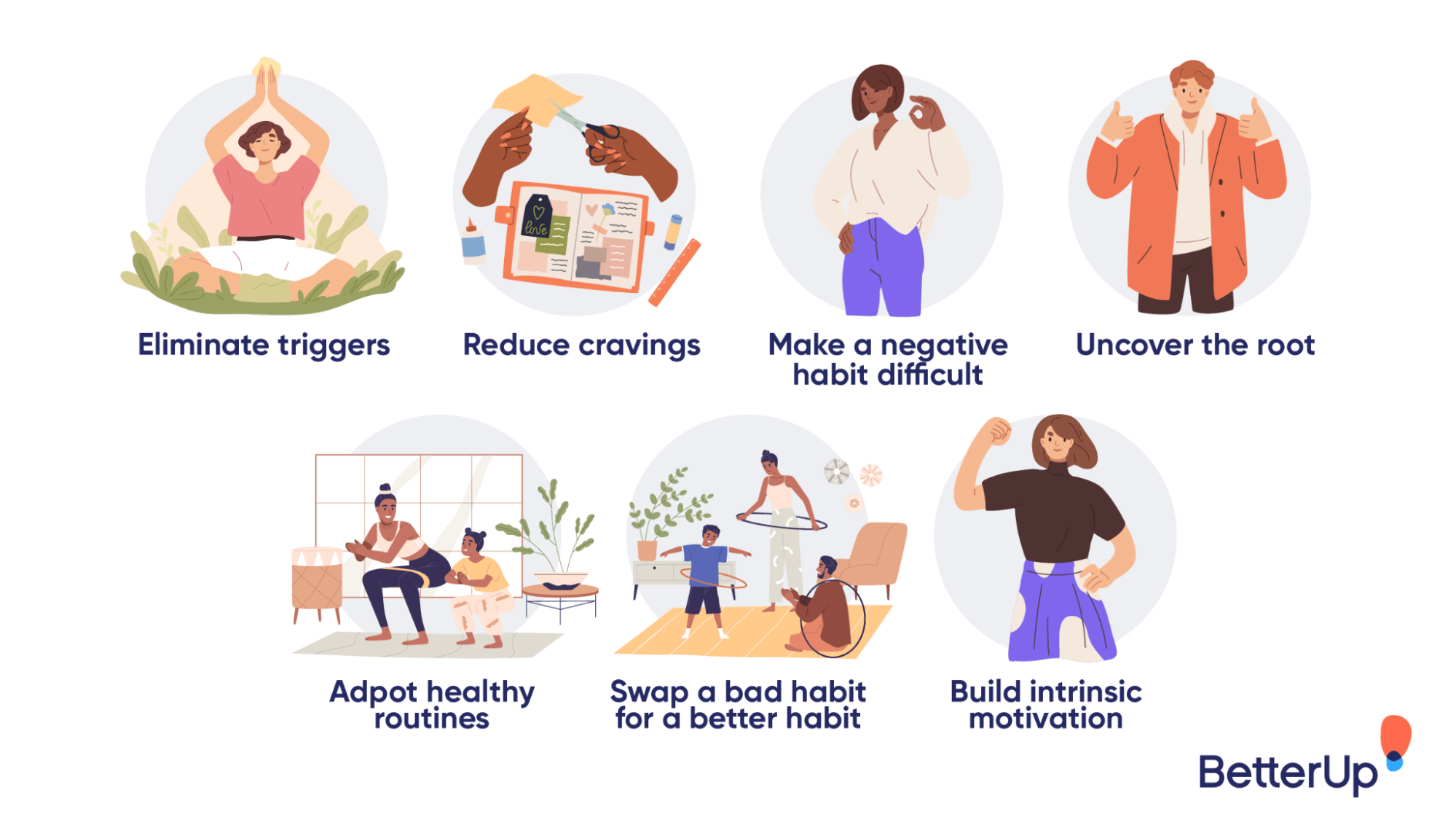
- Aim for at least 150 minutes of moderate-intensity exercise or 75 minutes of vigorous-intensity exercise per week.
- Find activities that you enjoy, such as team sports, dancing, or cycling.
- Schedule time for exercise and stick to it as much as possible.
Get Enough Sleep
- Most adults need around 7-9 hours of sleep per night.
- Establish a regular sleep-wake cycle, even on weekends.
- Create a conducive sleep environment (dark, quiet, cool).
- Avoid caffeine and alcohol before bed.
Manage Stress
- Identify sources of stress and develop coping mechanisms.
- Engage in stress-reducing activities such as exercise, meditation, or spending time in nature.
- Seek support from friends, family, or a therapist if needed.
Reduce Substance Use
- Limit alcohol consumption and avoid excessive drinking.
- Avoid tobacco and illicit drugs, as they have significant health risks.
- Be mindful of the potential consequences of substance use.
Prioritize Social Connections
- Maintain strong relationships with friends and family.
- Join clubs or organizations that align with your interests.
- Be open to meeting new people and building a support system.
Establish Good Sleep Hygiene
- Go to bed and wake up around the same time each day.
- Create a relaxing bedtime routine (e.g., reading, taking a warm bath).
- Limit screen time before bed.
- Ensure your bedroom is dark, quiet, and cool.
Other Tips
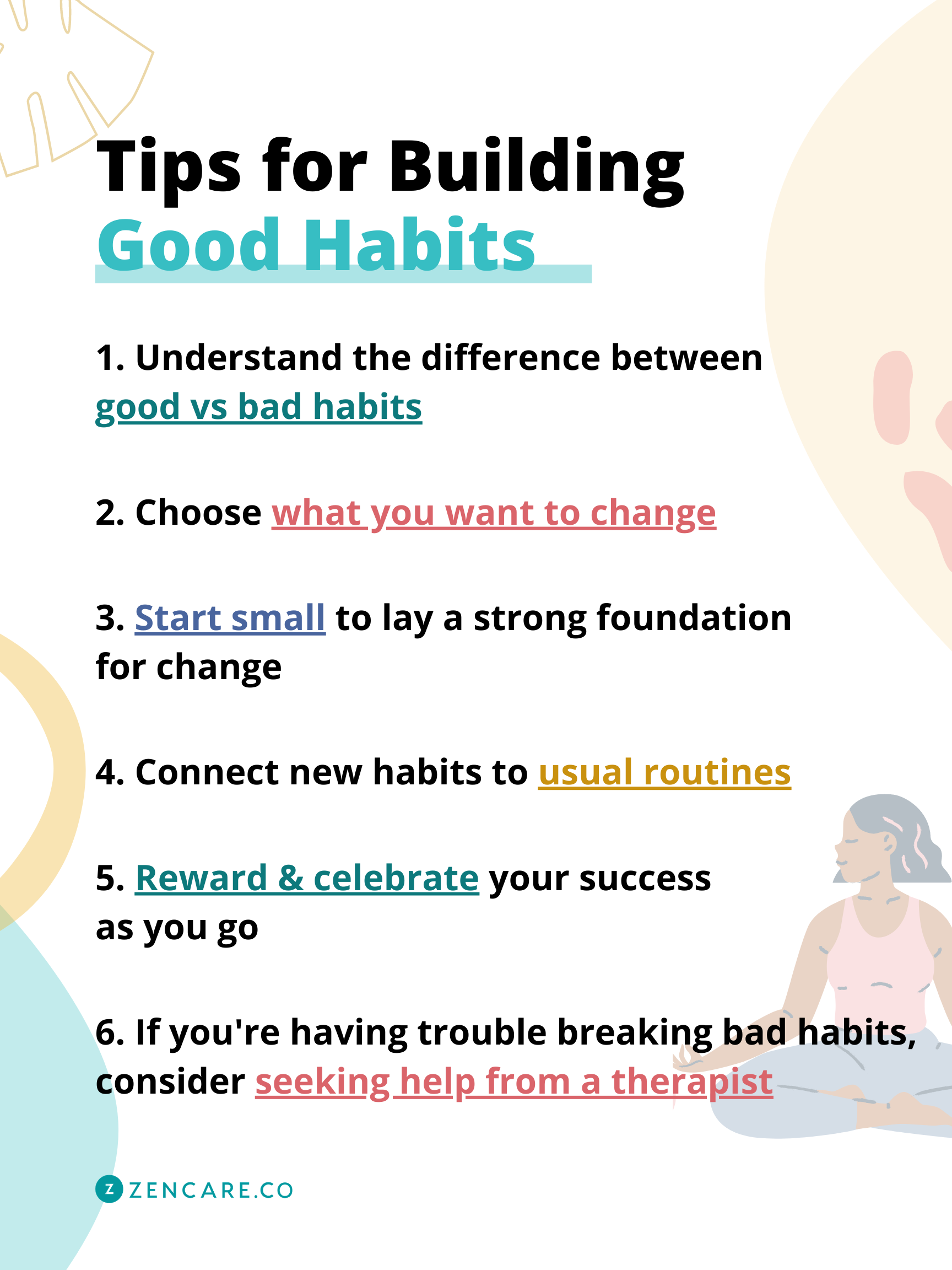
- Set realistic goals and don’t try to change everything at once.
- Focus on making small, gradual changes over time.
- Find an accountability partner or support group to provide encouragement.
- Reward yourself for making healthy choices.
- Remember that building healthy habits takes time and effort, but the benefits are worth it.## Building Healthy Habits In College: Tips For A Balanced Life
Executive Summary
College life can be a whirlwind of academic, social, and personal commitments. It can be challenging to strike a balance and maintain healthy habits. This article provides comprehensive tips customized for college students to build a routine that promotes well-being, productivity, and success.
Introduction
Transitioning to college brings numerous adjustments. Amidst the excitement and newfound independence, students often need to adapt to a new lifestyle, which can impact their physical health, mental well-being, and academic performance. Establishing healthy habits during this time is crucial for both short-term and long-term success.
FAQs
- Why are healthy habits important in college?
- Maintain physical health and prevent chronic diseases
- Improve mental well-being and reduce stress
- Enhance academic performance and boost productivity
- How can I start building healthy habits?
- Set realistic goals and start small
- Prioritize sleep, nutrition, and exercise
- Create a routine and stick to it as much as possible
- What are some resources available for students?
- University health centers
- Counseling services
- Fitness centers and group fitness classes
Health and Wellness
Sleep: Aim for 7-9 hours of quality sleep each night. Establish a regular sleep schedule and create a conducive sleep environment.
- Avoid caffeine and alcohol before bed
- Make sure your bedroom is dark, quiet, and cool
- Engage in relaxing activities before sleep
Nutrition: Make nutritious choices most of the time. Limit processed foods, sugary drinks, and unhealthy fats.
- Choose whole grains, fruits, vegetables, and lean protein
- Plan meals and snacks in advance
- Hydrate adequately with water
Exercise: Engage in at least 150 minutes of moderate-intensity exercise or 75 minutes of vigorous-intensity exercise per week.
- Find activities you enjoy and stick to them
- Set realistic goals and gradually increase intensity
- Exercise with friends or join a group fitness class
Time Management
Create a schedule: Develop a daily or weekly schedule that includes time for classes, study, meals, exercise, and relaxation.
- Be realistic and allow for flexibility
- Prioritize tasks and break down large assignments into smaller chunks
- Utilize a planner or calendar to stay organized
Minimize distractions: Identify distractions and create a distraction-free environment when studying or working.
- Use noise-canceling headphones or study in a quiet library
- Turn off notifications on your phone and computer
- Set aside dedicated time for social media and other distractions
Take breaks: Schedule short breaks throughout the day to prevent burnout and improve focus.
- Get up and move around or step outside for some fresh air
- Engage in a relaxing activity, like reading or listening to music
- Avoid screen time during breaks**
Social and Emotional Well-being
Build connections: Join clubs or organizations related to your interests, attend social events, and make an effort to connect with classmates, roommates, and professors.
- Engage in meaningful conversations and be open to new experiences
- Seek support from friends, family, or a therapist when needed
- Participate in campus events and activities
Practice self-care: Engage in activities that promote relaxation and stress reduction.
- Meditate or practice deep breathing exercises
- Spend time in nature
- Connect with loved ones and pursue hobbies
Seek help when needed: Don’t hesitate to reach out for help from university resources or mental health professionals if you’re struggling with stress, anxiety, or depression.
- Counseling services can provide confidential support and evidence-based interventions
- University health centers offer a range of services, including medical care, health screenings, and mental health support
Academic Success
Attend classes regularly: Make every effort to attend classes and take notes.
- Be prepared and participate in class discussions
- Ask questions when needed
- Review notes after class
Study effectively: Develop effective study strategies and create a dedicated study space.
- Use active learning techniques like spaced repetition and interleaving
- Take practice tests and seek feedback on assignments
- Form study groups with classmates
Manage your time wisely: Use time management techniques to maximize study time and minimize stress.
- Prioritize tasks and break down assignments into smaller steps
- Create a study schedule and stick to it as much as possible
- Avoid procrastination and start working on assignments early
Conclusion
Building healthy habits in college is essential for long-term well-being, success, and fulfillment. By prioritizing physical health, mental well-being, time management, and academic excellence, students can create a balanced life that supports their growth and achieves their goals. Remember that small changes over time can have a significant impact, and it’s never too late to start.
Keyword Tags
- College Student Health
- Healthy Habits in College
- Time Management for Students
- Mental Well-being in College
- Academic Success Tips