Coping with the Pressures of College Life: Strategies for Success
1. Prioritize and Manage Time Wisely:

- Use a planner or calendar to schedule assignments, classes, and social events.
- Break down large tasks into smaller ones to make them more manageable.
- Learn to say no to non-essential commitments.
2. Seek Support and Build a Network:

- Join study groups with classmates to collaborate and learn from each other.
- Reach out to professors, TAs, or academic advisors for guidance and support.
- Connect with friends, family, or a therapist to provide emotional support.
3. Practice Self-Care:
- Get sufficient sleep (7-9 hours per night).
- Eat healthy and nutritious meals.
- Engage in regular physical activity.
- Take breaks throughout the day to rest and recharge.
4. Set Realistic Goals:
- Don’t overwhelm yourself with too many tasks at once.
- Break down long-term goals into smaller, achievable milestones.
- Celebrate successes, no matter how small.
5. Utilize Campus Resources:
- Take advantage of tutoring services, counseling centers, and health clinics.
- Attend workshops or seminars on time management, stress management, or student success.
- Join student organizations to connect with others and develop leadership skills.
6. Practice Relaxation Techniques:
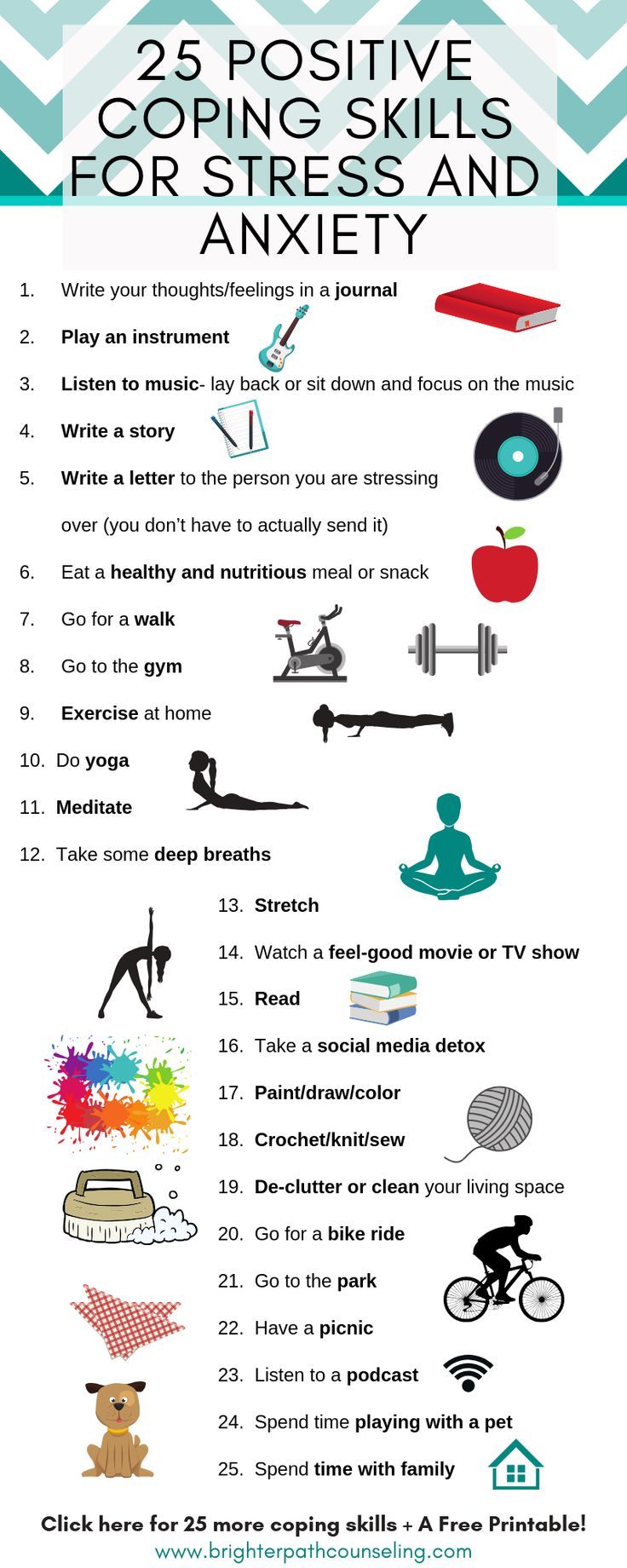
- Learn deep breathing exercises to reduce stress.
- Engage in mindfulness or meditation to calm the mind.
- Listen to calming music or spend time in nature.
7. Seek Professional Help if Needed:
- If stress and anxiety become overwhelming, don’t hesitate to seek professional help from a therapist or counselor.
- They can provide coping mechanisms, therapy, and medication when necessary.
8. Maintain a Positive Attitude:
- Remind yourself of your strengths and abilities.
- Focus on what you can control and let go of what you cannot.
- Surround yourself with positive and supportive people.
9. Take Breaks and Reward Yourself:
- Schedule regular breaks throughout the day to prevent burnout.
- Reward yourself for completing tasks and achieving goals.
- Take time for hobbies, activities, and socializing to refresh your mind.
10. Remember Your Purpose:
- Keep in mind the reasons why you chose college and what you hope to achieve.
- This can provide motivation and perspective during challenging times.## Coping With The Pressures Of College Life: Strategies For Success
Executive Summary
College life can be a daunting experience for many students. The academic workload, social pressures, and financial strains can take a toll on mental health and well-being. This article provides practical strategies for coping with the pressures of college life and achieving success.
Introduction
College is a time of immense growth and change. It is a period of academic exploration, social development, and personal discovery. However, the transition to college can also be challenging. Students may experience feelings of anxiety, stress, and loneliness. They may struggle to adjust to the academic demands, manage their time effectively, and navigate the complexities of campus life.
FAQs
- What are the most common challenges students face in college?
- Academic压力
- 财务压力
- 社会孤立
- How can students cope with stress and anxiety?
- Seeking professional counseling
- Practicing relaxation techniques
- Exercising regularly
- What are some tips for managing time and workload effectively?
- Creating a study schedule
- Breaking down large tasks into smaller ones
- Prioritizing assignments
Top Subtopics and Strategies
Academic Pressure
- Description: The academic workload in college can be overwhelming. Students may feel stressed about meeting deadlines, completing assignments, and performing well on exams.
- Strategies:
- Break down large assignments into smaller, manageable chunks.
- Create a study schedule and stick to it.
- Seek help from professors, teaching assistants, or tutors when needed.
Financial Pressure
- Description: Financial concerns can be a source of stress for many college students. They may worry about paying tuition, covering living expenses, and managing student loans.
- Strategies:
- Create a budget and track your expenses.
- Explore financial aid options, such as scholarships, grants, and loans.
- Consider part-time work or internships to supplement your income.
Social Isolation
- Description: College can be a lonely experience for some students. They may struggle to make friends, connect with others, and feel a sense of belonging.
- Strategies:
- Join clubs or organizations on campus.
- Attend social events and mixers.
- Reach out to classmates and roommates to connect.
Time Management
- Description: Managing time effectively is crucial for success in college. Students may struggle to balance their academic responsibilities with other commitments, such as work, extracurricular activities, and social life.
- Strategies:
- Create a daily or weekly schedule.
- Prioritize tasks based on importance and urgency.
- Break down large tasks into smaller, more manageable chunks.
Stress and Anxiety
- Description: Stress and anxiety are common experiences among college students. The pressures of academics, finances, and social expectations can take a toll on mental health.
- Strategies:
- Practice relaxation techniques, such as deep breathing, meditation, or yoga.
- Exercise regularly to reduce stress and improve mood.
- Seek professional counseling if stress and anxiety become overwhelming.
Conclusion
Coping with the pressures of college life can be challenging, but it is also an opportunity for growth and self-discovery. By implementing these strategies, students can manage stress, overcome challenges, and achieve success in all aspects of college life.
Keyword Tags
- College life
- Stress and anxiety
- Time management
- Financial pressure
- Social isolation