Impact of Artificial Intelligence on Personalized Learning in Education
Introduction:
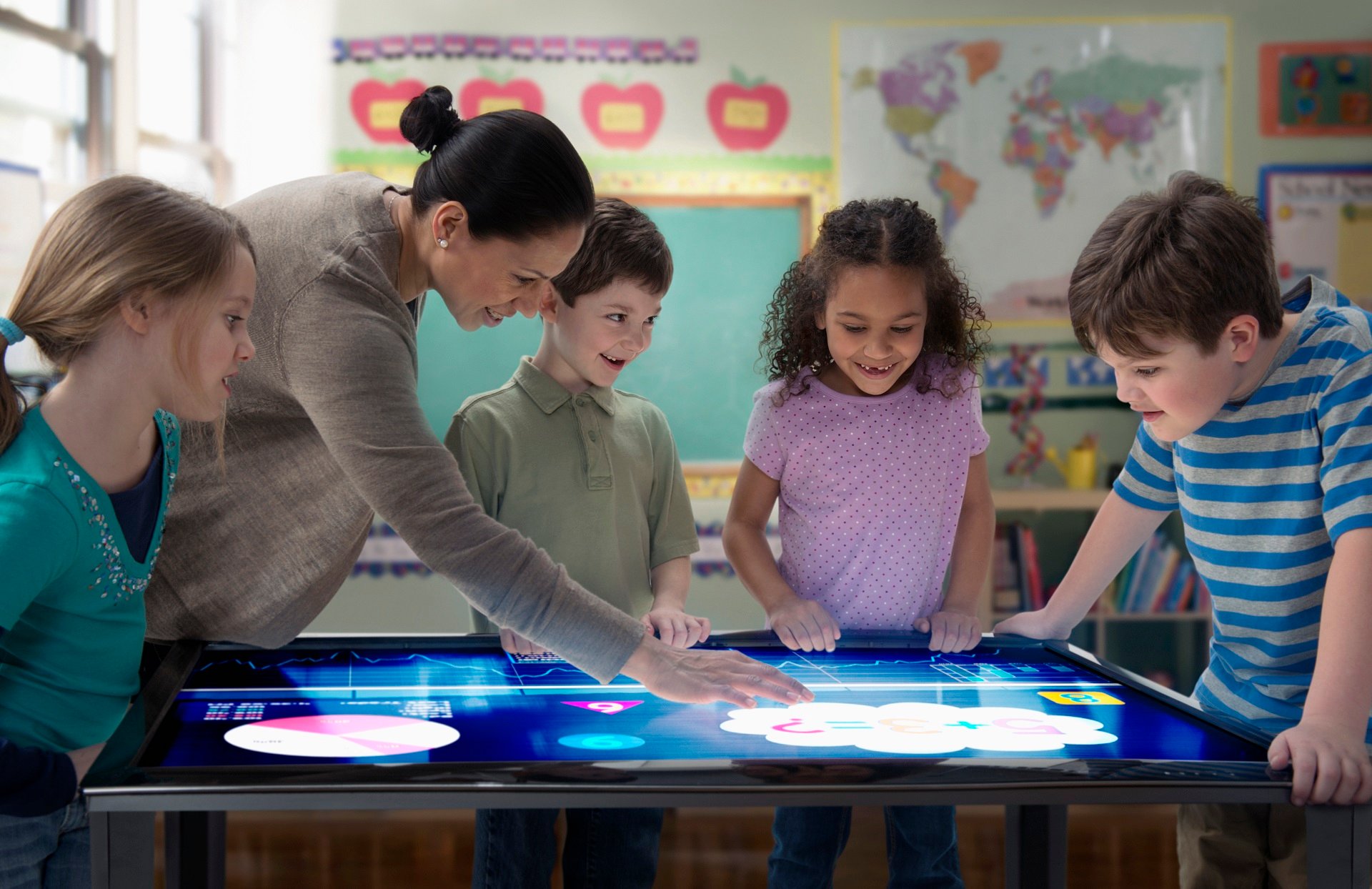
Artificial intelligence (AI) is revolutionizing the education sector, offering transformative possibilities for personalized learning. By leveraging data-driven insights and automating tasks, AI empowers educators to tailor learning experiences to each student’s unique needs, abilities, and learning styles.
Benefits of AI in Personalized Learning:
1. Adaptive Learning Platforms:
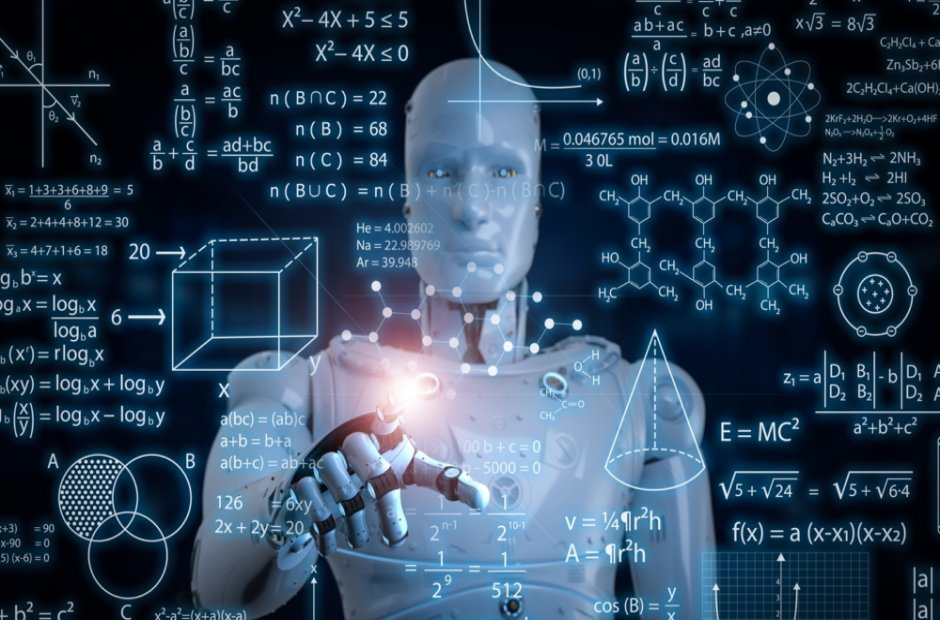
AI-powered platforms analyze student performance data to create personalized learning paths. They adjust content difficulty, suggest learning resources, and provide real-time feedback, ensuring every student progresses at their own pace.
2. Skill Mapping and Assessment:
AI algorithms can map student skills and knowledge using data from assignments, assessments, and self-reporting. This allows educators to identify strengths and weaknesses, creating targeted interventions and individualized learning plans.
3. Virtual Tutoring and Support:
AI can provide virtual tutoring and support to students, answering questions, offering guidance, and fostering student engagement outside of the classroom. This supplements teacher instruction and provides students with additional support when needed.
4. Learning Analytics and Insights:
AI tools gather and analyze vast amounts of student data, providing educators with real-time insights into student progress, engagement, and learning patterns. This data informs instructional decisions and allows for prompt interventions.
5. Language Learning Support:
AI-powered language learning platforms adapt content to match a student’s proficiency level, provide personalized feedback on pronunciation and grammar, and offer interactive exercises to enhance language acquisition.
Challenges and Considerations:
1. Data Privacy and Security:
AI systems rely on student data, raising concerns about privacy and data security. It is crucial to ensure that student data is secure and used ethically.
2. Teacher Training and Adoption:
Successful implementation of AI in education requires trained and engaged teachers. Educators must understand the benefits and limitations of AI and be equipped with the necessary skills to integrate it effectively into their classrooms.
3. Algorithmic Bias:
AI algorithms must be bias-free to ensure fairness and equitable opportunities for all students. Educators and policymakers must critically evaluate AI systems and mitigate any potential biases.
4. Human Connection:
While AI can enhance learning, it should not replace human interaction. Educators must strike a balance between using AI for personalized learning and fostering meaningful relationships with students.
Conclusion:
AI has the potential to transform education by empowering educators to provide highly personalized learning experiences to each student. By leveraging AI’s capabilities in adaptive learning, skill mapping, virtual tutoring, learning analytics, and language learning support, educators can create a differentiated and engaging learning environment that meets the unique needs of every learner. However, it is essential to address challenges and considerations related to data privacy, teacher training, algorithmic bias, and human connection to ensure equitable and effective implementation of AI in personalized learning.## The Impact Of Artificial Intelligence On Personalized Learning In Education
Executive Summary
Artificial Intelligence (AI) is revolutionizing the education sector by enabling personalized learning experiences that cater to each student’s unique needs, learning styles, and pace. AI-powered educational tools and platforms leverage advanced algorithms, machine learning, and data analytics to create tailored learning environments, enhancing student engagement, knowledge retention, and overall academic outcomes. This article delves into the multifaceted impact of AI on personalized learning, exploring key subtopics and their implications for the future of education.
Introduction
In the dynamic landscape of modern education, the advent of Artificial Intelligence (AI) has brought about transformative possibilities for personalized learning. AI empowers educators with the tools to understand and respond to individual student needs, fostering a more engaging and effective learning experience. This article provides a comprehensive overview of the impact of AI on personalized learning, examining its advantages, applications, and implications for the future of education.
FAQs
1. What is personalized learning?
Personalized learning involves tailoring educational experiences to meet the unique needs, learning styles, and interests of each student. AI enables educators to create personalized learning pathways, adjusting content, pacing, and instructional methods to maximize student engagement and outcomes.
2. How does AI contribute to personalized learning?
AI leverages algorithms, machine learning, and data analytics to:
- Identify individual student strengths and weaknesses
- Generate personalized content and activities
- Provide adaptive assessments and feedback
- Track student progress and provide timely interventions
3. What are the benefits of AI-powered personalized learning?
Personalized learning with AI offers numerous benefits, including:
- Enhanced student engagement and motivation
- Improved knowledge retention and understanding
- Increased academic performance and achievement
- Greater equity and accessibility for all students
- Reduced teacher workload and more efficient use of time
Subtopics
Adaptive Learning Platforms
Adaptive learning platforms use AI to track student progress and adjust the learning content and activities in real-time. These platforms can:
- Deliver personalized lessons based on student responses
- Identify areas where students need additional support
- Provide tailored recommendations for further learning
Intelligent Tutoring Systems
Intelligent tutoring systems (ITS) leverage AI to simulate one-on-one tutoring experiences. These systems can:
- Diagnose student misconceptions through interactive dialogue
- Provide tailored feedback and guidance in real-time
- Adapt to student learning styles and provide personalized support
Virtual Learning Assistants
Virtual learning assistants (VLAs) are AI-powered chatbots that provide students with personalized assistance and support. VLAs can:
- Answer student questions and provide information
- Offer guidance on assignments and projects
- Help students connect with resources and learning materials
Data Analytics for Personalized Learning
AI-powered data analytics provide educators with insights into student learning patterns, preferences, and challenges. Data analytics can be used to:
- Identify students at risk of falling behind
- Target interventions to address specific student needs
- Monitor student progress and adjust teaching strategies
AI-Enabled Assessment
AI can enhance assessments by providing personalized feedback, identifying student strengths and weaknesses, and automating grading processes. AI-enabled assessments can:
- Provide immediate feedback on student responses
- Identify areas where students need further support
- Reduce teacher workload and allow for more time for personalized instruction
Conclusion
The integration of AI into education is transforming the landscape of personalized learning, creating a more engaging, effective, and equitable learning experience for all students. As AI technology continues to advance, the possibilities for personalized learning will expand, empowering students to reach their full potential and achieve academic success. Embracing AI-powered educational tools and platforms is essential for educators and policymakers seeking to create a future-ready education system that meets the unique needs of every student.
Keyword Tags
- Artificial Intelligence (AI)
- Personalized Learning
- Adaptive Learning
- Intelligent Tutoring
- Data Analytics in Education