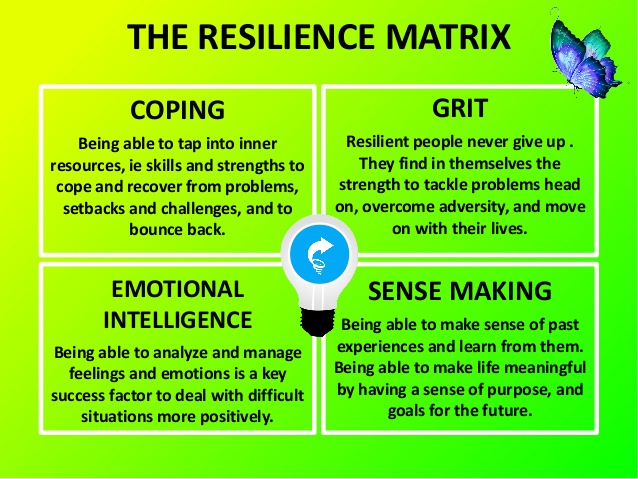
Building Resilience: Overcoming Setbacks and Achieving Academic Goals
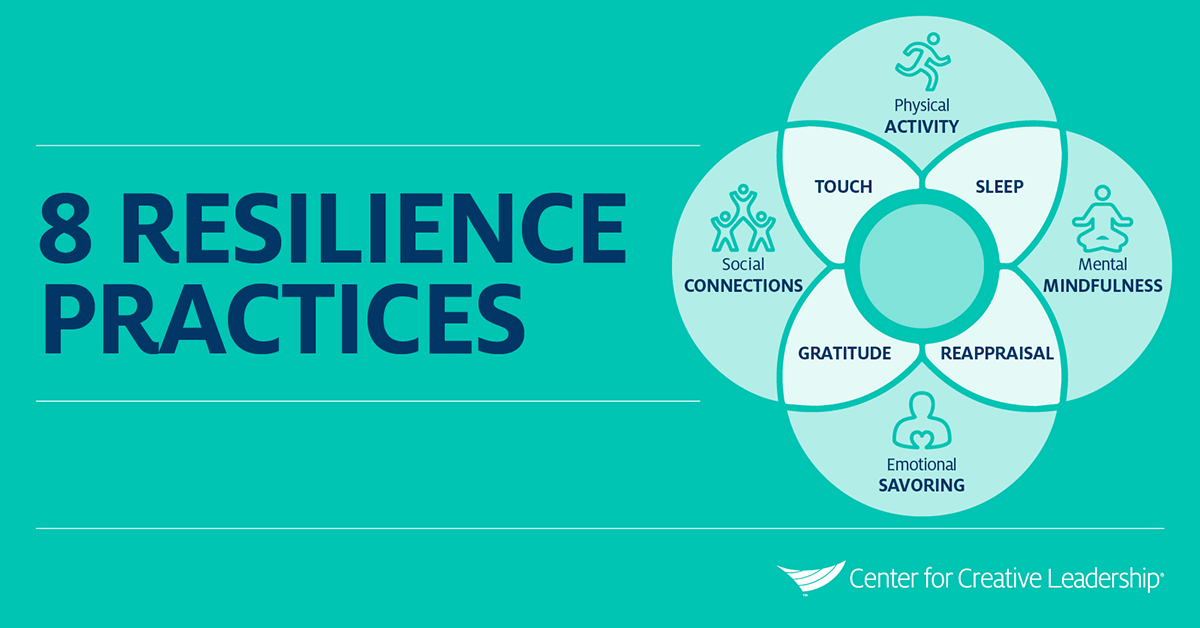
1. Embrace a Growth Mindset:
- Recognize that setbacks are opportunities for learning and growth.
- Focus on the process rather than perfection.
- See challenges as a way to develop new skills and strategies.
2. Cultivate Self-Regulation:
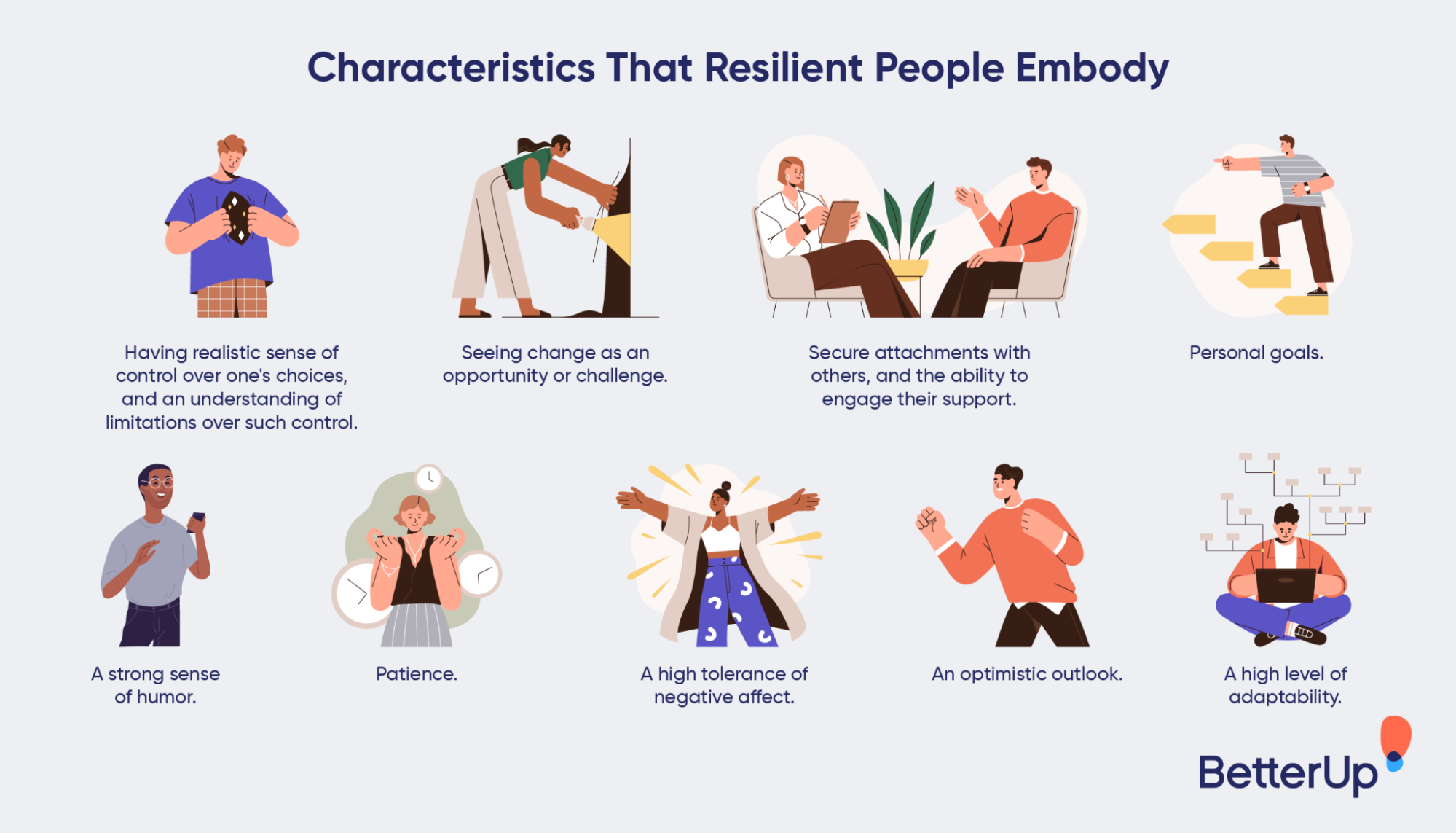
- Set realistic goals and break them down into smaller steps.
- Manage time effectively and avoid procrastination.
- Develop coping mechanisms for stress and anxiety.
3. Seek Support and Resources:
- Connect with professors, classmates, and advisors.
- Utilize tutoring, academic counseling, and other campus services.
- Seek support from family, friends, or a therapist.
4. Practice Self-Care:
- Prioritize physical and mental health by getting enough sleep, exercising, and eating well.
- Engage in activities that bring joy and reduce stress.
- Take breaks when needed.
5. Reframe Negative Thoughts:
- Challenge irrational or catastrophic thoughts.
- Focus on positive aspects and what you can control.
- Use affirmations to build self-confidence.
6. Learn from Failure:
- Analyze what went wrong and identify areas for improvement.
- Don’t dwell on the past; instead, use it as a guide for future success.
- Seek feedback and support to overcome obstacles.
7. Embrace Perseverance:
- Setbacks are inevitable, but don’t give up.
- Stay motivated by remembering your goals.
- Learn from mistakes and adjust your approach as needed.
8. Build a Support Network:
- Surround yourself with positive and supportive people.
- Join study groups or participate in extracurricular activities.
- Seek guidance from mentors or role models.
9. Celebrate Successes:
- Acknowledge and celebrate your accomplishments, both big and small.
- Use successes as motivation to continue striving for excellence.
- Share your triumphs with others to inspire them.
10. Remember Your Why:
- Keep in mind the reasons why you’re pursuing your academic goals.
- Connect your studies to your passions and values.
- Use your goals as a source of motivation when facing setbacks.
Building resilience is an ongoing process. By implementing these strategies, you can develop the mental and emotional fortitude to overcome setbacks, achieve your academic goals, and thrive in the face of adversity.## Building Resilience: How To Overcome Setbacks And Achieve Your Academic Goals
Executive Summary
Resilience is the ability to bounce back from setbacks and challenges. It is a crucial skill for students, as it allows them to overcome obstacles and achieve their academic goals. This article provides a comprehensive guide to building resilience, including tips on how to develop a positive mindset, cope with stress, and seek support.
Introduction
Overcoming setbacks is an inevitable part of the student experience. Whether it’s a failed test, a difficult class, or personal challenges, every student will face obstacles at some point in their academic career. While it is natural to feel discouraged by setbacks, it is important to remember that they are not permanent. With resilience, students can learn from their mistakes, overcome challenges, and achieve their goals.
FAQs
1. What is resilience?
Resilience is the ability to bounce back from setbacks and challenges. It is not about avoiding hardship, but rather about developing the skills and mindset to cope with difficulties and emerge stronger.
2. Why is resilience important for students?
Resilience is important for students because it allows them to overcome obstacles and achieve their academic goals. It helps students to stay motivated when faced with challenges, to cope with stress, and to seek support when needed.
3. How can students develop resilience?
There are many ways that students can develop resilience. Some helpful tips include developing a positive mindset, coping with stress, and seeking support.
Top 5 Subtopics
1. Developing a Positive Mindset
A positive mindset is an essential part of resilience. Students with a positive mindset are more likely to see challenges as opportunities for growth and to stay motivated when faced with setbacks.
- Identify your strengths and weaknesses: Everyone has strengths and weaknesses. By focusing on your strengths and working to improve your weaknesses, you can develop a more positive self-image and boost your confidence.
- Set realistic goals: Setting unrealistic goals can lead to disappointment and frustration. Instead, set goals that are challenging but achievable. This will give you a sense of accomplishment and motivate you to keep moving forward.
- Practice gratitude: Taking time to appreciate the good things in your life can help you to focus on the positive and develop a more positive outlook.
2. Coping with Stress
Stress is a common part of the student experience. However, it is important to manage stress effectively to prevent it from overwhelming you.
- Identify your stress triggers: Once you know what triggers your stress, you can start to develop strategies to avoid or cope with these triggers.
- Practice relaxation techniques: There are many relaxation techniques that can help to reduce stress, such as deep breathing, yoga, and meditation.
- Get enough sleep: Sleep is essential for both physical and mental health. Make sure to get 7-8 hours of sleep each night to help you cope with stress.
3. Seeking Support
Seeking support from others can help you to overcome setbacks and achieve your goals.
- Talk to friends and family: Friends and family can offer emotional support and encouragement. They can also help you to see things from a different perspective.
- Join a support group: Support groups can provide a safe and supportive environment to share your experiences and learn from others.
- Seek professional help: If you are struggling to cope with stress or other challenges, do not hesitate to seek professional help. A therapist can help you to develop coping skills and manage your emotions.
4. Identifying Resources
There are many resources available to help students overcome setbacks and achieve their academic goals.
- Academic advising: Academic advisors can help you to choose courses, plan your schedule, and overcome academic challenges.
- Tutoring: Tutoring can help you to improve your understanding of course material and prepare for exams.
- Counseling services: Counseling services can provide support for a variety of issues, including stress, anxiety, and depression.
5. Overcoming Academic Challenges
Overcoming academic challenges is an essential part of resilience.
- Don’t be afraid to ask for help: If you are struggling with a class, don’t be afraid to ask your professor or a tutor for help.
- Take breaks: It is important to take breaks when you are studying or working on projects. This will help you to stay focused and avoid burnout.
- Learn from your mistakes: Everyone makes mistakes. The important thing is to learn from your mistakes and move on.
Conclusion
Building resilience is an essential skill for students. By developing a positive mindset, coping with stress, and seeking support, you can overcome setbacks and achieve your academic goals. Remember, setbacks are not permanent. With resilience, you can learn from your experiences, grow stronger, and achieve your dreams.
Keyword Tags
- Resilience
- Academic Success
- Overcoming Setbacks
- Positive Mindset
- Stress Management