Effective Techniques for Coping with Academic Stress
1. Time Management and Prioritization:
- Use a planner or calendar to schedule tasks and prioritize assignments.
- Break down large projects into smaller, manageable chunks.
- Focus on completing one task at a time to avoid multitasking and overwhelm.
2. Study Techniques:
- Study actively by engaging with the material (reading, summarizing, discussing).
- Utilize effective study methods like spaced repetition and active recall.
- Create study groups or connect with classmates for support and accountability.
3. Stress Management Techniques:
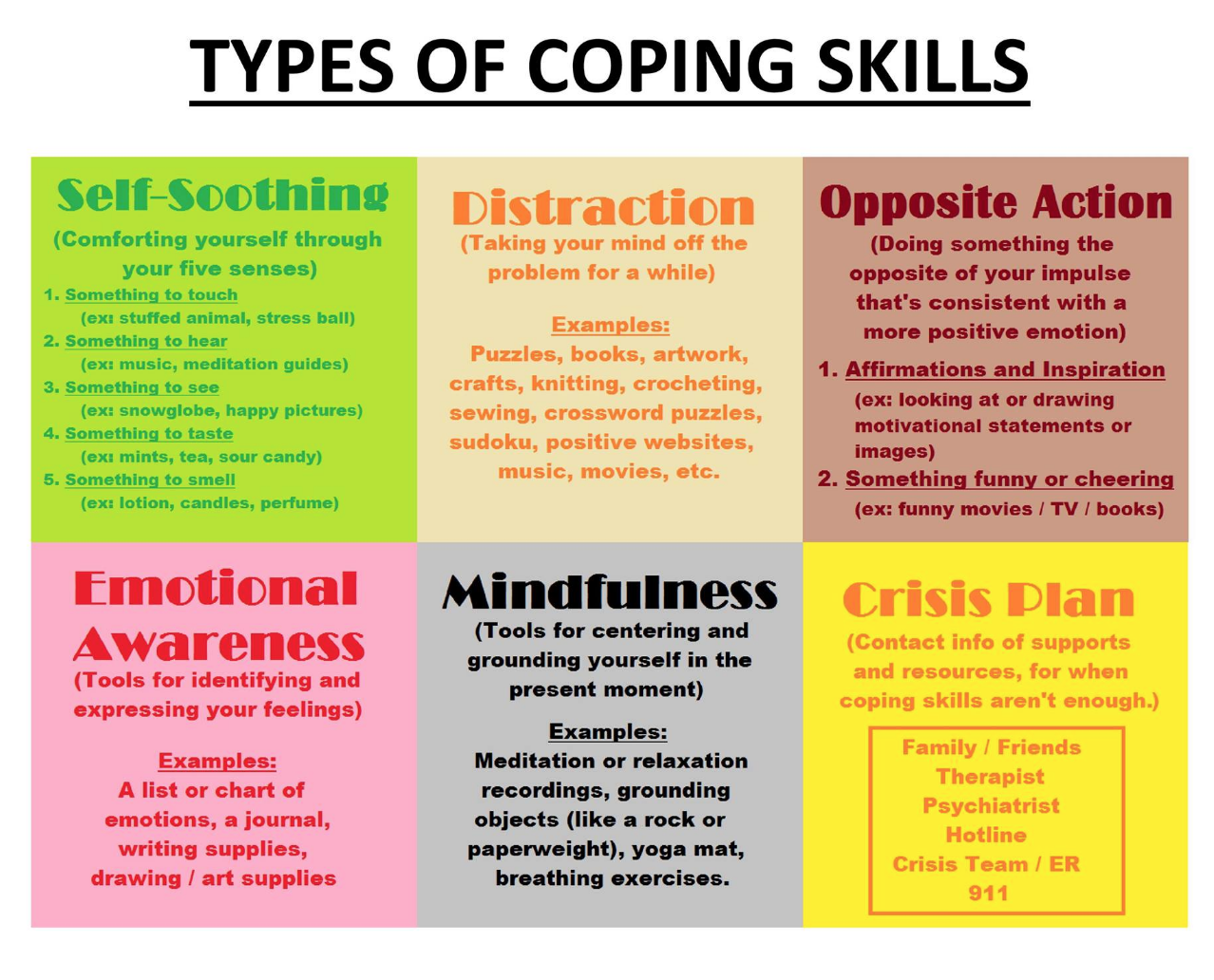
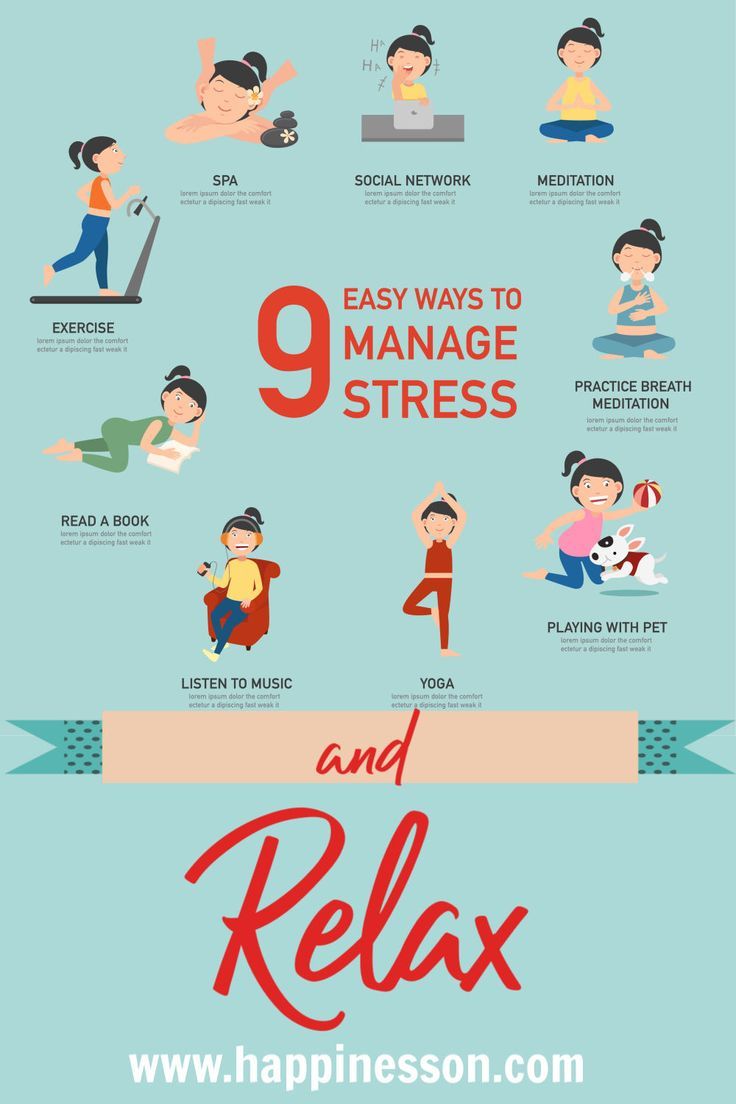
- Mindfulness and Meditation: Practice present moment awareness and stress-reducing techniques.
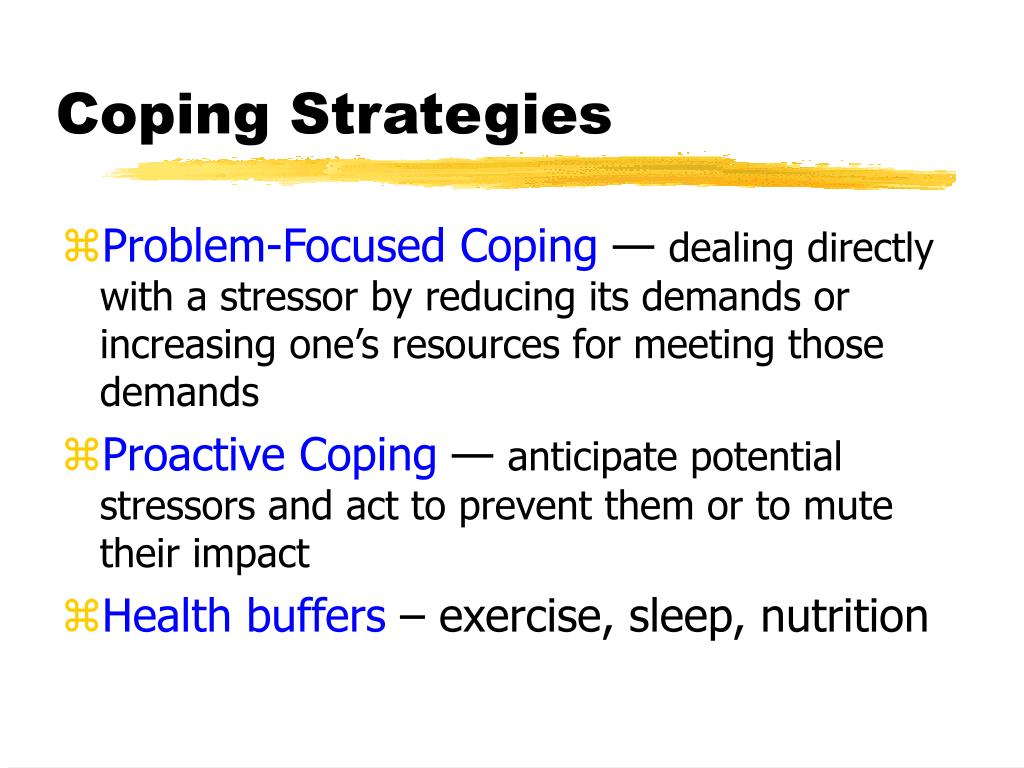
- Exercise: Engage in regular physical activity to release endorphins and reduce stress levels.
- Sleep and Relaxation: Prioritize getting enough sleep and engage in calming activities like reading or taking a warm bath.
4. Cognitive Restructuring:
- Challenge negative thoughts and replace them with positive or more rational ones.
- Focus on your strengths and abilities instead of dwelling on mistakes.
- Set realistic goals and avoid perfectionism.
5. Social Support:
- Connect with friends, family, and classmates.
- Join support groups or online forums to share experiences and receive encouragement.
- Seek professional help from a therapist or counselor if needed.
6. Physical Health:
- Maintain a healthy diet rich in fruits, vegetables, and whole grains.
- Stay hydrated by drinking plenty of water.
- Limit caffeine and alcohol intake, as they can exacerbate stress.
7. Self-Care:
- Make time for activities you enjoy, such as hobbies, spending time in nature, or listening to music.
- Set boundaries and learn to say “no” to additional commitments when you need to.
- Reward yourself for your efforts and accomplishments.
8. Campus Resources:
- Utilize campus support services such as counseling centers, academic tutoring, and wellness programs.
- Join clubs or student organizations to connect with others and engage in activities that reduce stress.
9. Communication:
- Talk to professors or teaching assistants if you’re struggling or have concerns about your workload.
- Reach out to classmates or friends for support and to share strategies.
10. Acceptance and Perspective:
- Recognize that stress is a normal part of academic life.
- Accept that you may not always be able to control external factors, but you can control your response.
- Keep a positive perspective and focus on your goals and aspirations.# Coping With Academic Stress: Effective Techniques For Success
Executive Summary
Academic stress is a major concern among students, affecting their mental health, academic performance, and overall well-being. Understanding the causes of academic stress and developing effective coping mechanisms is crucial for student success. This article explores the top five subtopics related to academic stress, providing in-depth insights and practical techniques to help students navigate this challenge.
Introduction
Academic stress is a prevalent issue affecting students of all ages and levels. It arises from the pressure to meet academic demands, such as exams, assignments, and deadlines. Left unchecked, academic stress can lead to anxiety, burnout, and even physical health problems. Recognizing the importance of addressing academic stress, this article aims to equip students with comprehensive knowledge and coping strategies.
FAQ
1. What are the common causes of academic stress?
- Heavy workload and tight deadlines
- Fear of failure and performance anxiety
- Financial concerns and balancing academic expenses
- Relationship difficulties and social isolation
- Personal or family problems
2. How does academic stress manifest?
- Physical symptoms: Headaches, stomachaches, sleep problems
- Emotional symptoms: Anxiety, depression, irritability
- Cognitive symptoms: Difficulty concentrating, memory impairment
- Behavioral symptoms: Avoidance, procrastination, substance abuse
3. Why is it important to manage academic stress?
- Improved mental health and well-being
- Enhanced academic performance and retention
- Reduced risk of burnout and physical health problems
- Increased confidence and self-esteem
- Improved relationships and social functioning
Top 5 Subtopics
1. Time Management Techniques
Time management is essential for reducing academic stress. Effective techniques include:
- Prioritizing tasks: Identify the most important tasks and allocate time accordingly.
- Breaking down large tasks: Divide overwhelming tasks into smaller, manageable chunks.
- Scheduling study sessions: Establish regular study times and stick to them.
- Utilizing breaks: Take short, regular breaks to prevent burnout and maintain focus.
- Avoiding procrastination: Start assignments early and avoid leaving tasks until the last minute.
2. Stress-Reducing Activities
Engaging in stress-reducing activities is crucial for overall well-being. Consider:
- Exercise: Physical activity helps release endorphins, which have mood-boosting effects.
- Mindfulness and meditation: These practices promote relaxation, reduce anxiety, and improve focus.
- Spending time in nature: Studies have shown that spending time in green spaces reduces stress levels.
- Hobbies and leisure activities: Engaging in enjoyable activities provides a sense of accomplishment and reduces stress.
- Social support: Connecting with friends, family, or support groups can provide emotional support and reduce stress.
3. Cognitive Restructuring
Cognitive restructuring involves changing negative thought patterns into more positive ones. Techniques include:
- Identifying negative thoughts: Pay attention to negative thoughts and challenge their validity.
- Reframing negative thoughts: Rephrase negative thoughts into more positive or realistic ones.
- Practicing positive self-talk: Engage in encouraging self-statements to counter negative thoughts.
- Seeking professional help: If negative thoughts are persistent or overwhelming, consider seeking support from a therapist or counselor.
4. Effective Study Habits
Developing effective study habits can significantly reduce academic stress. Consider:
- Active learning: Engage with the material instead of simply reading or memorizing.
- Spaced repetition: Review material at increasing intervals to enhance long-term retention.
- Summarization: Summarize key points to improve understanding and recall.
- Collaboration and discussion: Study with peers or form study groups to enhance learning and reduce stress.
- Seeking assistance: Don’t hesitate to seek clarification from professors, teaching assistants, or tutors when needed.
5. Self-Care and Wellness
Prioritizing self-care is essential for managing academic stress. Consider:
- Getting enough sleep: Aim for 7-9 hours of quality sleep each night to improve cognitive function and reduce stress.
- Maintaining a healthy diet: Nourish your body with balanced meals to fuel your mind and body.
- Practicing self-compassion: Be kind to yourself during stressful times and avoid self-criticism.
- Setting boundaries: Learn to say no to additional commitments and protect your time for essential tasks and self-care.
- Seeking professional help: If academic stress becomes overwhelming, don’t hesitate to reach out to a mental health professional for support.
Conclusion
Coping with academic stress is essential for student success and overall well-being. By understanding the causes, manifestations, and effective coping mechanisms, students can effectively navigate the challenges of academia. Time management techniques, stress-reducing activities, cognitive restructuring, effective study habits, and self-care practices are powerful tools for managing academic stress. Implementing these strategies allows students to thrive academically, maintain their mental health, and achieve their full potential.
Keyword Tags
- Academic Stress
- Time Management Techniques
- Stress-Reducing Activities
- Cognitive Restructuring
- Self-Care and Wellness