Effective Task Prioritization
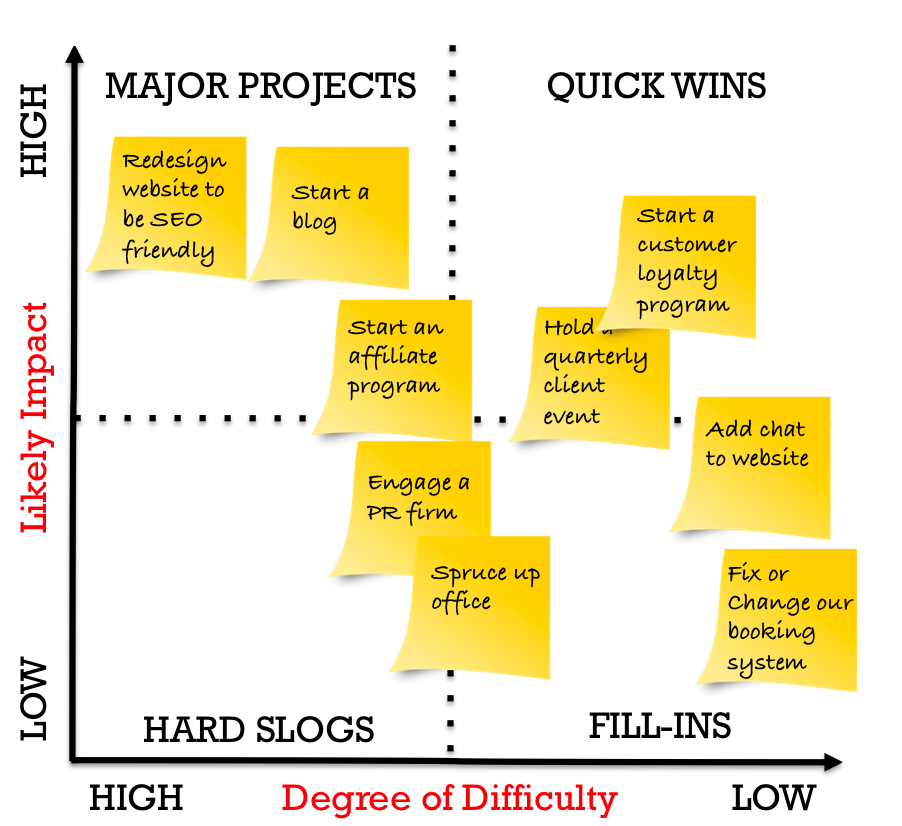
Prioritizing tasks is essential for optimizing productivity and achieving desired outcomes. Decision-making plays a crucial role in this process, guiding the selection and sequencing of tasks based on their importance, urgency, and impact.

Decision-making in Task Prioritization
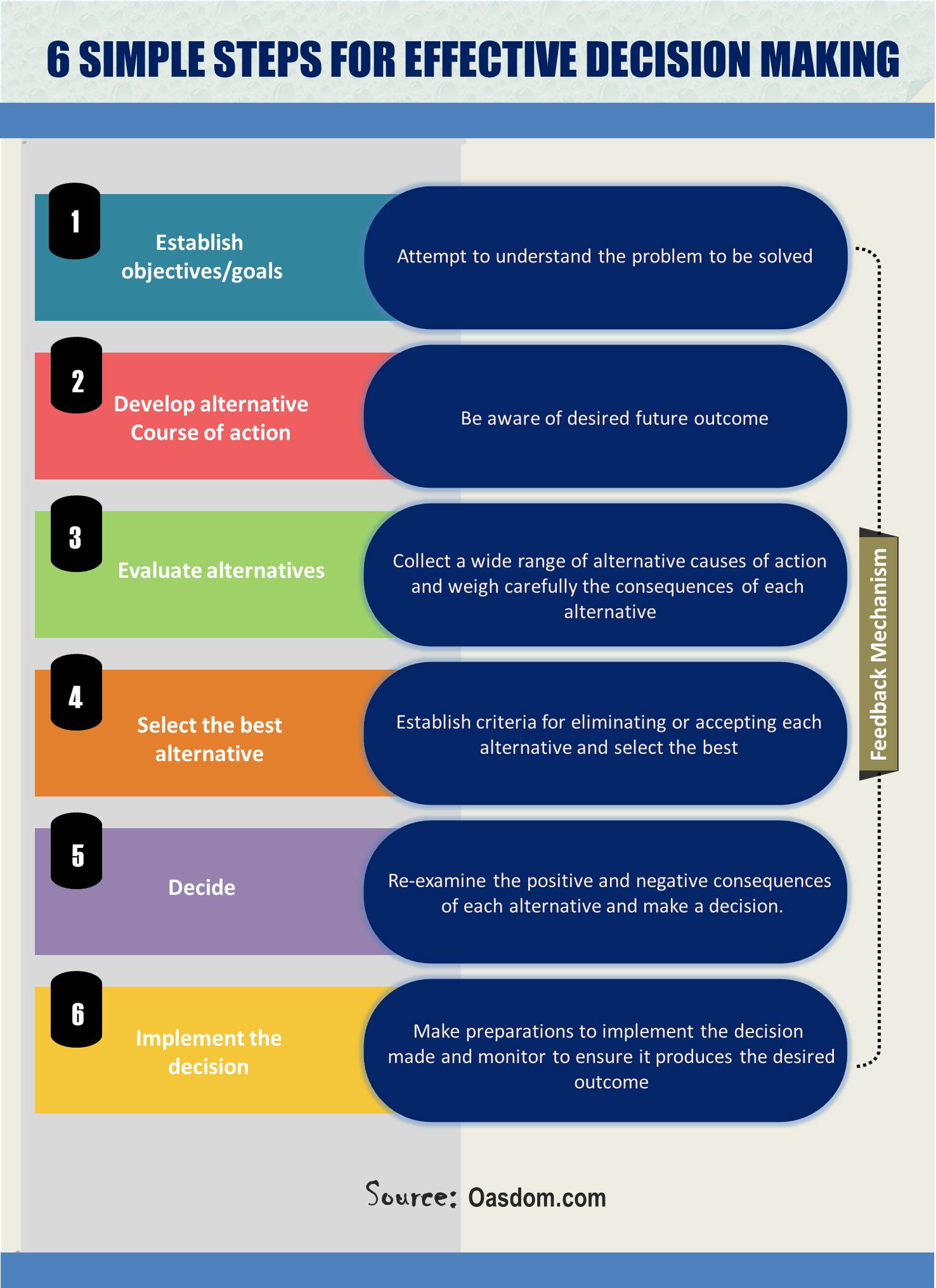
Establish Objective Criteria:
- Define specific criteria for evaluating task importance, urgency, and impact. This provides a consistent framework for decision-making.
Gather Information:
- Collect data on task characteristics, dependencies, and potential risks. This allows informed decision-making based on complete information.
Identify Constraints and Resources:
- Determine available resources, time constraints, and any potential obstacles. This helps ensure that tasks are prioritized realistically.
Consider Multiple Perspectives:
- Seek input from stakeholders, team members, or experts to gain a comprehensive view of task priorities.
Evaluate Risk and Impact:
- Assess the potential risks and impact of each task’s completion or delay. This helps focus on tasks with the highest potential return.
Set Timelines and Deadlines:
- Determine specific timelines and deadlines for task completion. This provides a sense of urgency and helps keep tasks on track.
Re-evaluate and Adjust:
- Regularly review task priorities and make adjustments as needed based on changing circumstances or new information.
Benefits of Decision-based Task Prioritization
- Improved productivity and efficiency
- Reduced stress and overwhelm
- Enhanced focus on high-value tasks
- Increased likelihood of achieving strategic goals
- Improved team collaboration and communication
- Reduced risk and uncertainty
Conclusion
Decision-making is fundamental to effective task prioritization. By following a structured and informed approach, individuals and teams can prioritize tasks strategically, optimize their efforts, and achieve desired outcomes. Regularly evaluating and adjusting task priorities ensures alignment with changing circumstances and the continuous pursuit of excellence.## [The Role Of Decision-making In Effective Task Prioritization]
Introduction
In the complex and fast-paced business world, effective task prioritization is crucial for achieving optimal outcomes. Decision-making plays a pivotal role in this process, as it enables individuals and teams to identify, evaluate, and select the most important tasks to focus on. This article delves into the significance of decision-making in task prioritization, exploring key principles, techniques, and the benefits it brings to organizations.
FAQ
- What is the importance of decision-making in task prioritization?
- How can decision-making help improve task prioritization?
- What are some best practices for effective decision-making in task prioritization?
The Importance Of Decision-making In Task Prioritization
Decision-making forms the foundation of task prioritization, as it allows individuals and teams to:
- Identify Critical Tasks: Decision-making helps identify tasks that are essential to achieving strategic objectives.
- Assess Task Value: It enables the evaluation of tasks based on their impact, urgency, and alignment with organizational goals.
- Select Optimal Tasks: Decision-making facilitates the selection of tasks that offer the best return on investment and contribute to overall success.
- Allocate Resources Effectively: By making informed decisions, resources can be allocated efficiently to tasks that have the highest priority.
Best Practices For Decision-making In Task Prioritization
Effective decision-making in task prioritization involves adhering to several best practices:
- Establish Clear Goals: Clearly define the objectives that need to be achieved through task prioritization.
- Use Prioritization Frameworks: Leverage prioritization frameworks, such as the Eisenhower Matrix or MoSCoW method, to categorize and rank tasks.
- Consider Multiple Perspectives: Seek input from stakeholders and team members to gain diverse perspectives and ensure comprehensive decision-making.
- Use Data and Analytics: Utilize data and analytics to support decision-making and identify patterns and trends in task priorities.
- Re-evaluate and Adjust: Regularly review and adjust task priorities based on changing circumstances and feedback.
Benefits Of Effective Decision-making In Task Prioritization
Organizations that prioritize tasks effectively through sound decision-making experience numerous benefits, including:
- Increased Productivity: Teams can focus on the most impactful tasks, leading to increased productivity and efficiency.
- Enhanced Resource Allocation: Resources are allocated more strategically, resulting in better utilization and outcomes.
- Improved Collaboration: Effective decision-making fosters collaboration by involving stakeholders and ensuring alignment on task priorities.
- Reduced Stress and Overwhelm: Clear task prioritization reduces stress and overwhelm by providing a structured approach to managing workload.
- Greater Success Achievement: Organizations are more likely to achieve their goals when tasks are prioritized based on sound decision-making.
Conclusion
Decision-making plays a crucial role in effective task prioritization, enabling individuals and teams to identify, evaluate, and select the most important tasks to focus on. By adhering to best practices and using prioritization frameworks, organizations can make informed decisions that maximize task value, allocate resources efficiently, and ultimately achieve greater success. Effective decision-making in task prioritization is a key ingredient for organizational efficiency, productivity, and innovation.
Keyword Tags
- Task Prioritization
- Decision-making
- Productivity
- Resource Allocation
- Strategic Management