Exercising Your Way to Academic Triumph: Unleashing Productivity for Students
In the realm of academia, students often grapple with the tyranny of time and the elusive quest for productivity. Amidst the myriad obligations and distractions, finding a path to optimal performance can seem daunting. However, a profound secret lies within the realm of physical exercise, offering a potent weapon in the arsenal of productivity.

Enhanced Cognitive Function:

Exercise invigorates the brain, enhancing blood flow and oxygenation. This surge of nutrients nourishes neural pathways, promoting improved memory, attention, and information processing. Studies have shown that students who engage in regular aerobic exercise perform significantly better on cognitive tests.
Stress Reduction and Mood Elevation:
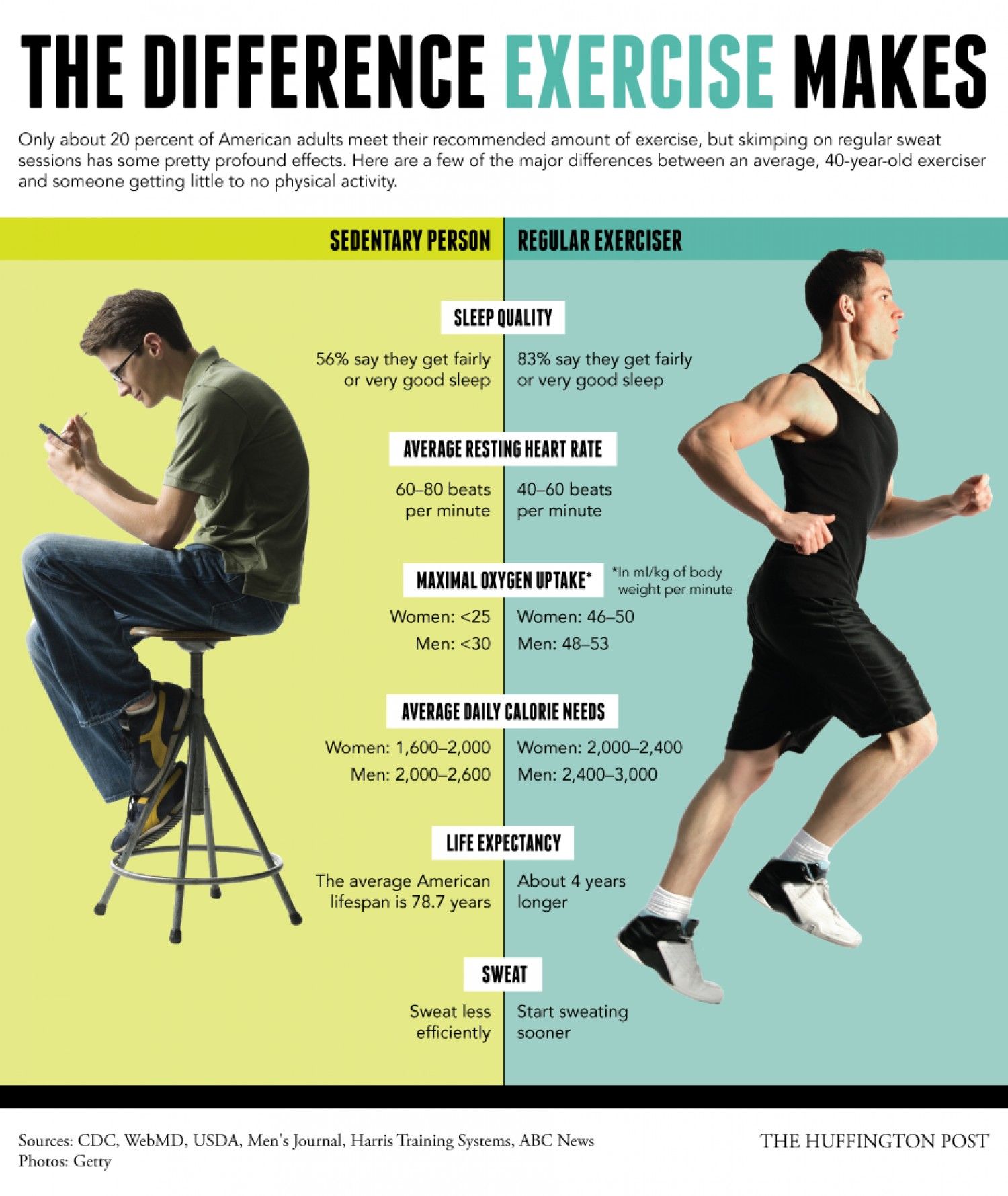
The endorphins released during exercise possess both mood-elevating and stress-reducing properties. Exercise helps to alleviate anxiety and improve sleep quality, ensuring that students approach their academic endeavors with a clear and focused mind. By mitigating stress, exercise creates a conducive environment for productivity and learning.
Improved Energy Levels:
Regular exercise boosts energy levels throughout the day, eliminating the afternoon slump that often plagues students. The increased cardiovascular fitness and improved oxygen uptake provide a sustained source of energy, enabling prolonged periods of concentration and academic effort.
Enhanced Goal-Setting and Discipline:
Exercise builds discipline and determination. The act of adhering to a fitness regimen fosters self-control and the ability to set and achieve goals. This mindset extends beyond the gym, translating into improved academic performance as students develop the perseverance necessary to overcome challenges and persist towards success.
Time Management:
Exercise can effectively manage time. By scheduling regular exercise sessions, students establish a structured routine that promotes time consciousness. This structure helps prioritize tasks, reducing procrastination and maximizing productivity.
Practical Tips for Incorporating Exercise into Your Academic Life:
- Morning Workouts: Kickstart your day with a brisk walk or jog to awaken your mind and body.
- Study Breaks: Break up extended study sessions with short bursts of movement, such as jumping jacks or stretches.
- Active Commute: If feasible, walk or bike to class instead of relying on transportation.
- Fitness Classes: Explore fitness classes offered by universities or community centers to add variety and social interaction to your exercise routine.
- Gamification: Use fitness trackers or apps to gamify your exercise, making it more engaging and motivating.
Embracing exercise as an integral part of your academic journey can revolutionize your productivity. By unlocking the cognitive, emotional, and physical benefits of exercise, you can optimize your time, maximize your performance, and achieve academic success with greater ease and fulfillment. Remember, a healthy mind thrives within a healthy body. Exercise can be your passport to unlocking the full potential of your academic endeavors.# Exercising Your Way To Success: Productivity Secrets For Students
Executive Summary
This comprehensive guide explores the profound impact of exercise on student productivity. Grounded in research and practical insights, this article unveils how incorporating physical activity into daily routines can unlock a wealth of benefits, enhancing focus, memory, mood, and overall academic performance. By delving into specific exercise modalities, time management strategies, and lifestyle adjustments, students can harness the power of exercise to maximize their potential and achieve academic excellence.
Introduction
In the demanding academic landscape, students face an array of challenges that can hinder their productivity and overall well-being. Amidst the pressures of assignments, exams, and extracurricular activities, prioritizing physical activity may seem like an elusive goal. However, a growing body of evidence underscores the remarkable benefits of exercise for student success, revealing its transformative power to enhance cognitive function, boost motivation, and promote emotional resilience. By understanding the science behind exercise and its impact on academic performance, students can craft a holistic approach to their studies, reaping the rewards of a healthy mind and body.
Frequently Asked Questions (FAQs)
1. How much exercise do I need to improve my productivity?
Research suggests that even moderate-intensity exercise for as little as 30 minutes most days of the week can significantly enhance cognitive function and academic performance.
2. What types of exercise are most beneficial for students?
Aerobic activities, such as running, cycling, or swimming, have been shown to improve cardiovascular health and oxygen flow to the brain, supporting memory and focus. Resistance training, including weightlifting or bodyweight exercises, strengthens muscles and promotes the release of endorphins, which can reduce stress and boost mood.
3. How can I fit exercise into my busy schedule as a student?
Prioritizing exercise requires planning and creativity. Break down workouts into smaller chunks throughout the day, utilize active transportation options like walking or biking, and explore campus recreation facilities or group fitness classes that align with your schedule.
Top 5 Subtopics
Exercise and Cognitive Function
– Improved Memory and Learning: Physical activity increases blood flow to the brain, delivering oxygen and nutrients that enhance memory formation and consolidation.
– Enhanced Focus and Attention: Exercise stimulates the release of neurotransmitters like dopamine and norepinephrine, which improve focus, concentration, and processing speed.
– Reduced Cognitive Decline: Regular exercise has been linked to a reduced risk of age-related cognitive decline, preserving memory and cognitive abilities as students progress through their academic journey.
Exercise and Mood Regulation
– Reduced Stress and Anxiety: Exercise triggers the release of endorphins, which have mood-boosting and stress-reducing effects, mitigating the negative impact of academic pressures and promoting emotional well-being.
– Improved Sleep Quality: Regular exercise promotes deeper and more restful sleep, which is crucial for cognitive recovery and optimal performance the following day.
– Increased Self-Esteem and Body Image: Exercise can enhance self-esteem and body image, reducing negative self-talk and promoting a positive mindset conducive to academic success.
Exercise and Time Management
– Increased Energy Levels: Exercise boosts energy levels, reducing fatigue and procrastination, allowing students to allocate their time more effectively and engage in prolonged study sessions.
– Improved Task Prioritization: Exercise improves executive function, the cognitive processes responsible for planning, organizing, and prioritizing tasks, enabling students to manage their workload and meet deadlines efficiently.
– Reduced Distractions: Physical activity can serve as a distraction from academic stressors, providing a mental break and enhancing subsequent focus and productivity.
Exercise and Lifestyle Adjustments
– Healthy Diet: Exercise enhances the benefits of a balanced diet, promoting overall health and reducing the risk of chronic diseases that can impact academic performance.
– Adequate Sleep: Prioritizing exercise facilitates restful sleep, creating a virtuous cycle that supports both physical and mental well-being.
– Social Connections: Group fitness classes or team sports provide opportunities for social interaction and support, fostering a sense of belonging and reducing isolation.
Exercise and Technology Integration
– Fitness Trackers: Wearable fitness trackers monitor activity levels, providing personalized feedback and motivation to stay active.
– Exercise Apps: Mobile applications offer a wide range of workouts, personalized recommendations, and social support to facilitate exercise adherence.
– Virtual Fitness Classes: Online fitness classes provide flexibility and convenience, allowing students to access workouts from anywhere, anytime.
Conclusion
Embracing exercise as an integral part of their daily routine, students unlock a wealth of benefits that empower them to maximize their academic potential. By incorporating physical activity into their schedules, they enhance cognitive function, boost mood, improve time management skills, cultivate a healthier lifestyle, and harness technology to support their fitness journey. The profound impact of exercise on student productivity underscores the importance of prioritizing physical well-being alongside academic pursuits, creating a holistic approach to success that nourishes both the mind and body.
Keyword Tags
- Student Productivity
- Exercise and Cognition
- Exercise and Mood
- Time Management and Exercise
- Exercise and Lifestyle