Effective Strategies for Balancing Studies and Personal Life
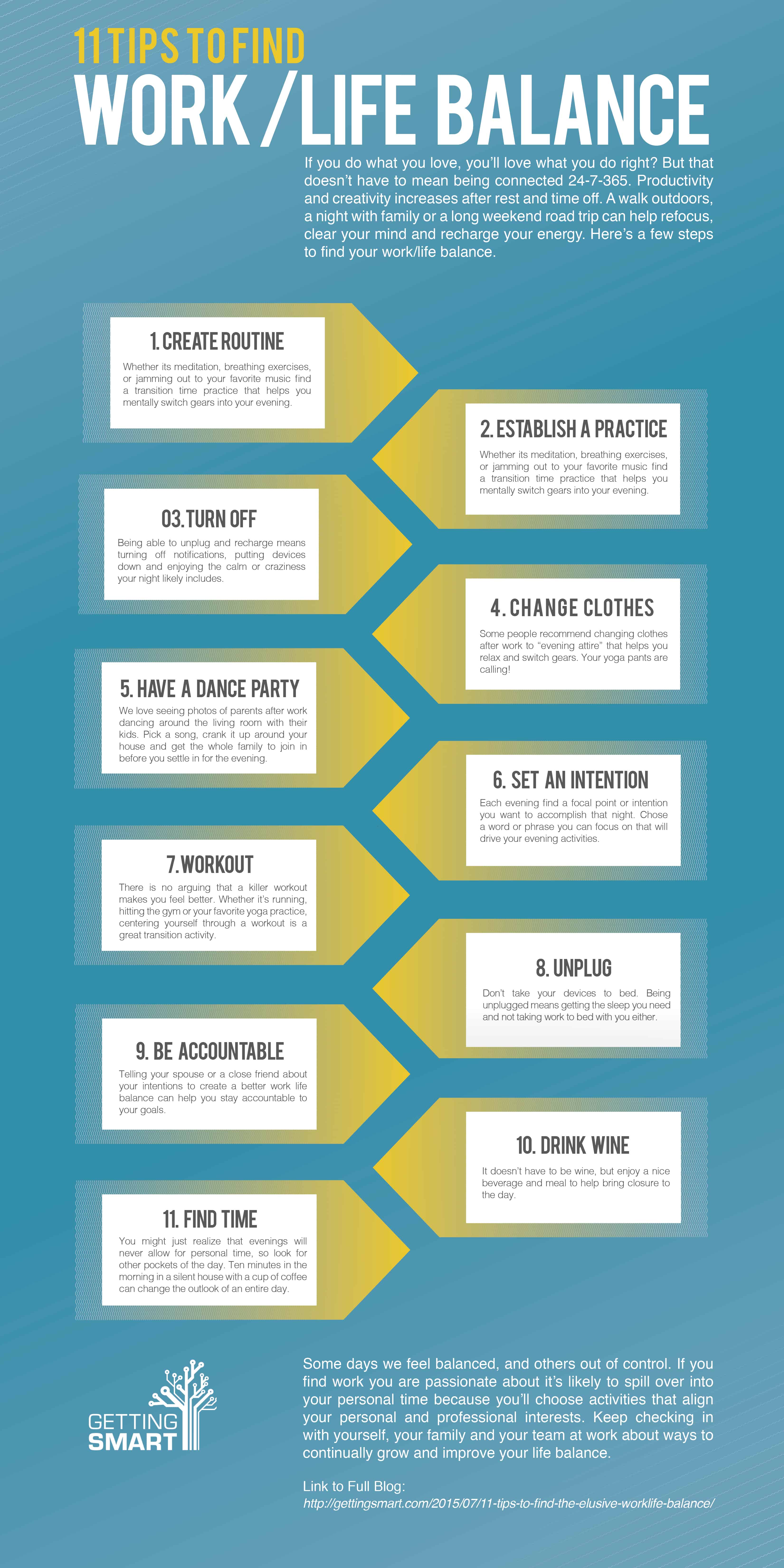
1. Establish Boundaries:
- Set specific study and personal time slots and stick to them.
- Designate dedicated spaces for studying and relaxation.
- Communicate your boundaries to family, friends, and significant others.
2. Prioritize Tasks:
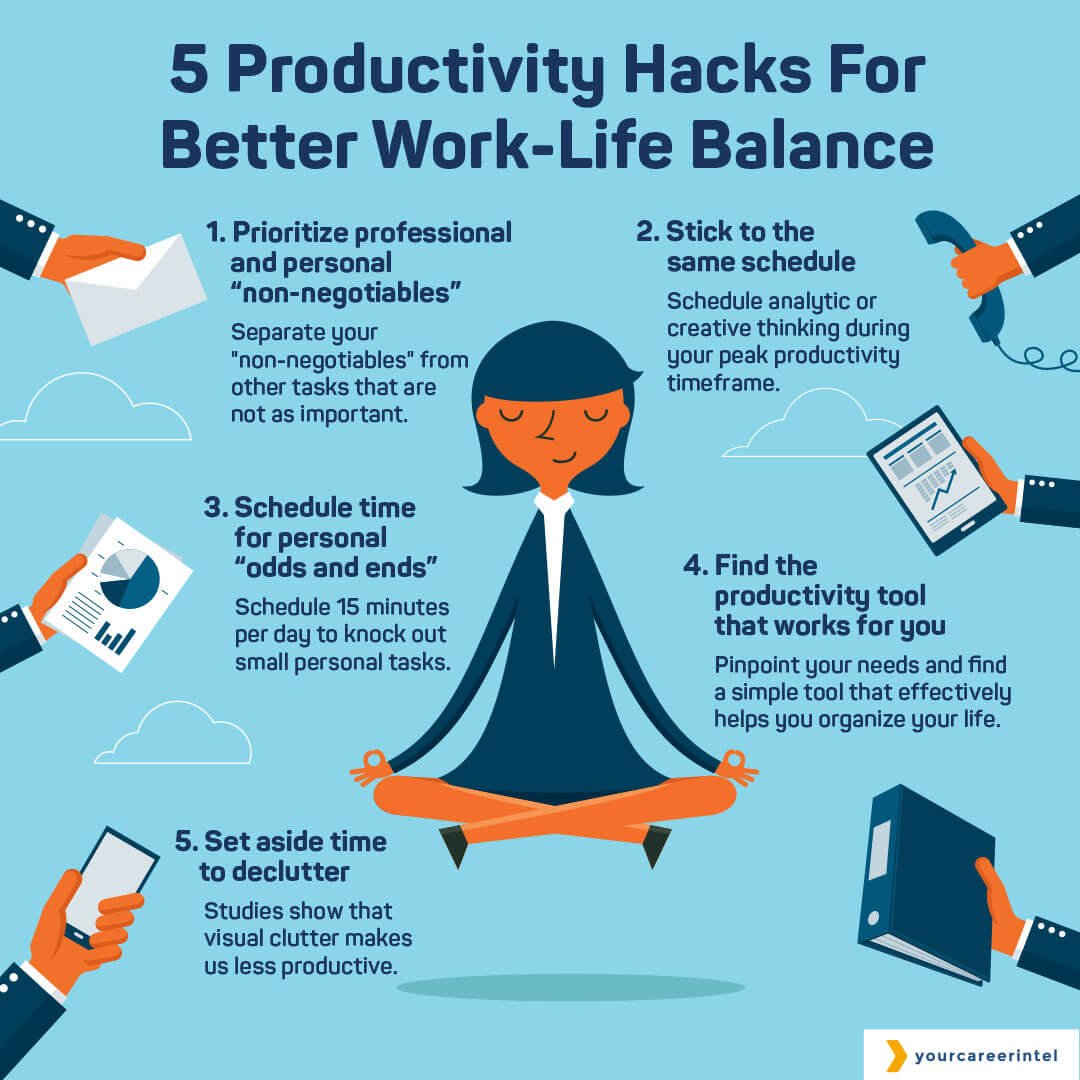
- Use a to-do list or planner to rank tasks based on importance and urgency.
- Focus on completing essential assignments first.
- Delegate tasks if possible.
3. Optimize Study Time:
- Break down large assignments into smaller, manageable chunks.
- Use active learning techniques (e.g., note-taking, flashcards) to enhance comprehension.
- Take breaks to avoid burnout and improve focus.
4. Schedule Breaks and Activities:
- Plan regular intervals for relaxation, exercise, and socialization.
- Engage in hobbies or activities you enjoy to relieve stress and recharge.
- Make time for sleep to ensure optimal mental and physical health.
5. Leverage Technology:
- Use study apps and tools to track progress, set reminders, and access resources.
- Explore online forums and study groups for support and collaboration.
- Use a calendar or time management software to organize study sessions and appointments.
6. Seek Support:
- Reach out to professors, teaching assistants, or tutors for academic assistance.
- Join study groups or connect with classmates for peer support.
- Consider talking to a counselor or therapist if you’re struggling to cope.
7. Learn to Say No:
- Politely decline additional commitments or requests that conflict with your study schedule.
- Protect your time and energy by setting limits.
8. Practice Self-Care:
- Eat healthy meals, get enough sleep, and exercise regularly.
- Engage in mindfulness or meditation to reduce stress and improve focus.
- Take breaks to connect with nature or spend time with loved ones.
9. Be Realistic:
- Don’t strive for perfection. It’s okay to compromise and adjust your schedule as needed.
- Recognize that balancing studies and personal life is an ongoing process that requires flexibility.
10. Evaluate and Adjust:
- Regularly assess your progress and make adjustments to your strategies as necessary.
- Seek feedback from others and consider their perspectives.
- Remember that finding the right balance is unique to each individual.## Effective Strategies For Balancing Studies And Personal Life
Executive Summary
Striking a harmonious balance between academic pursuits and personal well-being is paramount for students to thrive in both domains. This article provides comprehensive strategies and insights to effectively navigate the challenges of balancing studies and personal life, ensuring academic success, personal fulfillment, and overall well-being.
Introduction
The pursuit of higher education is a commendable endeavor, but it often comes with a multitude of demands and responsibilities. Students may find themselves grappling with the relentless pressure to excel academically while simultaneously striving to maintain a fulfilling personal life. Balancing these two spheres can be a daunting task, but it is not insurmountable. By adopting effective strategies and fostering a mindful approach, students can harmoniously integrate their academic and personal lives, reaping the benefits of both.
FAQ
Q: Is it possible to balance studies and personal life effectively?
- A: Yes, with proper planning, time management, and self-discipline, students can successfully navigate the challenges of balancing academic and personal commitments.
Q: Why is it important to balance studies and personal life?
- A: Maintaining a balanced lifestyle promotes academic success, reduces stress levels, enhances overall well-being, and fosters personal growth and fulfillment.
Q: What are the potential consequences of neglecting personal life for studies?
- A: Neglecting personal life can lead to burnout, mental health issues, social isolation, and a decline in academic performance.
Top 5 Subtopics
1. Time Management
- Prioritize Tasks: Determine the most important tasks and allocate time to them first.
- Create a Schedule: Establish a structured schedule that incorporates study time, personal activities, and breaks.
- Utilize Technology: Leverage productivity tools such as calendars, reminders, and to-do lists to stay organized.
- Delegate Responsibilities: Identify tasks that can be outsourced or shared with others, freeing up time for more essential pursuits.
2. Self-Discipline
- Set Boundaries: Establish clear boundaries between study time and personal time to avoid distractions and burnout.
- Minimize Distractions: Create a dedicated study space free from interruptions and temptations.
- Practice Self-Control: Exercise self-discipline by resisting the urge to procrastinate or engage in non-essential activities during designated study periods.
- Reward Yourself: Provide incentives for completing tasks and maintaining self-discipline, such as taking breaks or pursuing enjoyable activities.
3. Stress Management
- Identify Stressors: Pinpoint the sources of stress and develop strategies to mitigate them.
- Practice Relaxation Techniques: Engage in stress-reducing activities such as exercise, meditation, or spending time in nature.
- Seek Support: Connect with friends, family, or a counselor for emotional support and guidance.
- Maintain a Healthy Lifestyle: Prioritize sleep, nutrition, and exercise, as these aspects play a crucial role in overall well-being.
4. Social Engagement
- Maintain Social Connections: Make time for social interactions with friends and family to foster a sense of belonging and support.
- Join Clubs and Activities: Participate in extracurricular activities or clubs that align with personal interests and provide opportunities for social engagement.
- Volunteer: Engage in meaningful activities that contribute to the community and provide a sense of purpose.
- Seek Professional Help: If social isolation or loneliness becomes overwhelming, consider seeking professional help from a therapist or counselor.
5. Personal Growth
- Foster Personal Interests: Dedicate time to pursuing activities that bring joy and fulfillment, such as hobbies, creative pursuits, or personal development.
- Set Personal Goals: Establish non-academic goals that align with personal values and aspirations, and allocate time for their pursuit.
- Reflect and Re-evaluate: Regularly assess personal growth and well-being, and make adjustments as needed.
- Practice Self-Care: Prioritize self-care activities such as relaxation, mindfulness, and self-compassion to maintain emotional and mental health.
Conclusion
Balancing studies and personal life is an ongoing endeavor that requires perseverance, adaptability, and a commitment to well-being. By embracing the strategies outlined in this article, students can effectively navigate the demands of academic life while nurturing their personal growth and fulfillment. Remember that harmony between these two spheres is not merely a goal but a path toward a fulfilling and successful student life.
Keyword Tags
- Time management
- Self-discipline
- Stress management
- Social engagement
- Personal growth