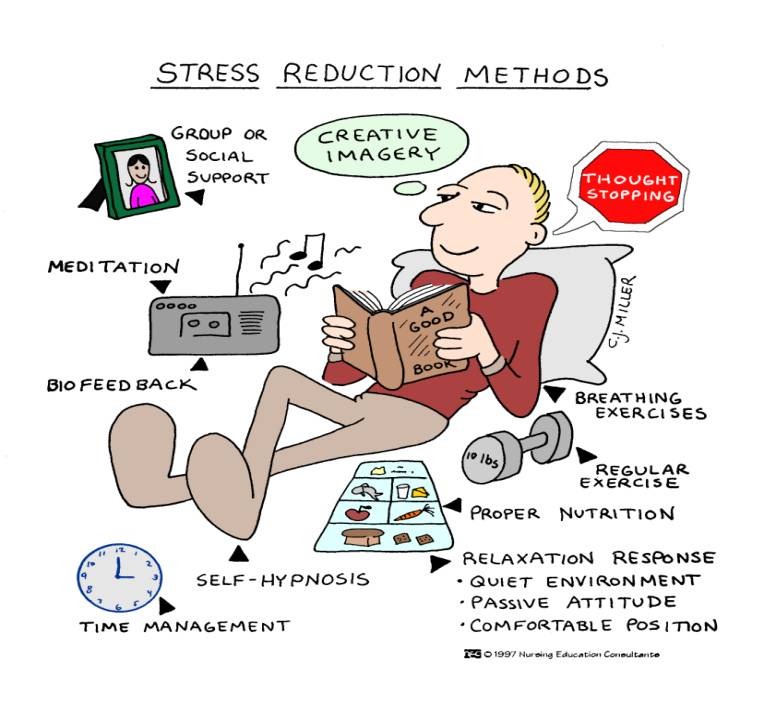
Stress Reduction Techniques: Harnessing the Power of Breaks for Well-being
Introduction
Stress is an inevitable part of life, but its prolonged exposure can have detrimental effects on our physical and mental well-being. One effective stress reduction technique is embracing the power of breaks. By taking regular intervals throughout the day, we can recharge, refocus, and improve our overall health.
Benefits of Breaks
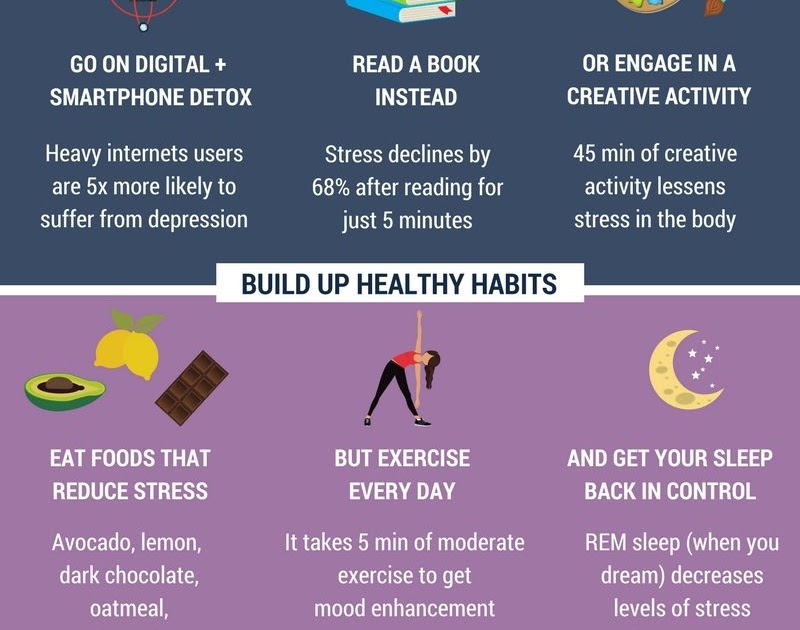
- Reduced Stress Levels: Breaks provide a brief respite from stressful tasks, allowing the body and mind to relax and recover.
- Improved Focus and Concentration: Stepping away from work for short periods can enhance our attention span and reduce cognitive fatigue.
- Increased Productivity: Regular breaks can prevent burnout and boost energy levels, leading to increased output and efficiency.
- Better Sleep: Breaks can help regulate our sleep-wake cycle by reducing stress and improving overall well-being.
- Improved Mood: Taking time for oneself can improve mood, reduce irritability, and promote a sense of calm.
Types of Breaks
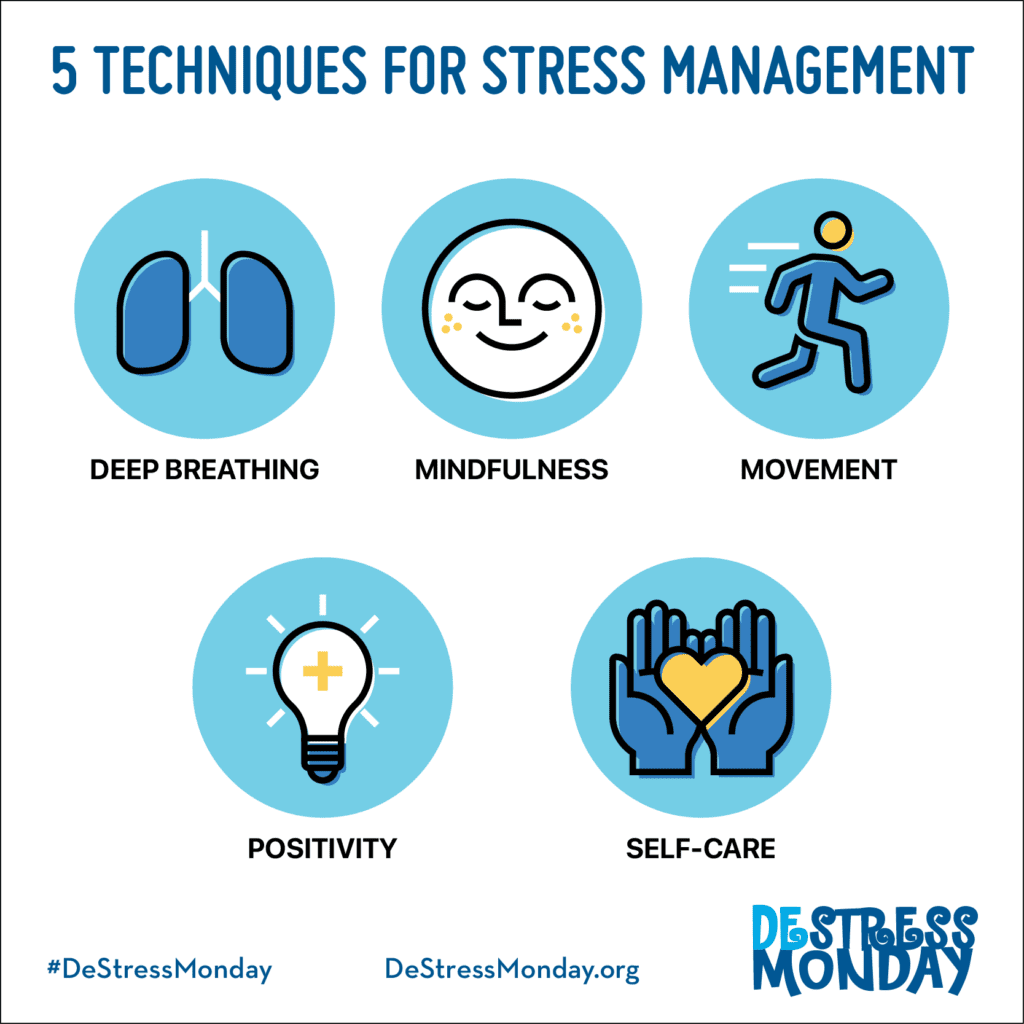
- Mini Breaks: Short breaks taken throughout the workday, such as for a quick walk, brief meditation, or stretching.
- Longer Breaks: Lengthier breaks, such as lunch breaks or short coffee breaks, that allow for social interaction or personal errands.
- Vacation Breaks: Extended periods of rest and relaxation away from work and home responsibilities.
Tips for Effective Breaks
- Plan Your Breaks: Schedule regular breaks throughout the day to ensure you take them consistently.
- Find a Quiet Spot: Choose a place away from distractions to relax and recharge.
- Engage in Activities You Enjoy: Use breaks to do something you find enjoyable, such as reading, listening to music, or socializing.
- Practice Mindfulness: Take a few deep breaths during your breaks and pay attention to the present moment.
- Set Boundaries: Inform colleagues or family members that you will be unavailable during your breaks.
Conclusion
Taking regular breaks is a simple yet powerful stress reduction technique that can significantly improve our well-being. By embracing the power of breaks, we can reduce stress, improve focus, boost productivity, and enhance our overall health and happiness.
Remember, taking breaks is not about avoiding work, but rather about working smarter and taking care of ourselves. By incorporating regular breaks into our daily routine, we can harness their transformative power and lead healthier, more balanced, and more productive lives.## Stress Reduction Techniques: Harnessing The Power Of Breaks For Well-being
Executive Summary
Stress is an inevitable part of modern life, but its chronic presence can take a significant toll on our physical and mental health. Research suggests that incorporating regular breaks into our daily routine can be a powerful strategy for stress reduction and overall well-being. This article explores the science behind the power of breaks and provides practical techniques for implementing them effectively.
Introduction
In today’s fast-paced world, it’s easy to get caught up in the whirlwind of work, responsibilities, and endless to-do lists. While it’s tempting to push through and “power through,” research has consistently shown that working without breaks leads to decreased productivity, increased stress, and impaired decision-making. Regular breaks, on the other hand, have been found to mitigate these negative effects and promote well-being.
FAQ
1. Why do we need breaks?
Breaks help our brains and bodies recover from the demands of work and other activities. They allow us to:
- Replenish cognitive resources
- Regulate emotions
- Improve attention and concentration
2. How often and how long should breaks be?
The optimal frequency and duration of breaks vary depending on the individual and the nature of the task. Research suggests that short, frequent breaks (5-15 minutes) are more effective than infrequent, longer breaks.
3. What types of breaks are most beneficial?
The most beneficial breaks are those that allow for physical and mental detachment from work. This can include:
- Getting up and moving around
- Stepping outside for fresh air
- Engaging in mindfulness or relaxation exercises
Top 5 Breaktime Strategies for Stress Reduction
Mindful Moments
Mindful moments are brief periods of focused attention on the present moment. They can be as simple as taking a few deep breaths, noticing sensations in the body, or practicing gratitude.
- Reduces stress hormones: Mindful moments have been shown to lower levels of cortisol, the stress hormone.
- Improves emotional regulation: Mindfulness practices enhance our ability to regulate emotions and respond to stressors in a more balanced way.
- Promotes relaxation: Focusing on the present moment can help reduce feelings of anxiety and promote a sense of calm.
Physical Activity
Physical activity is a powerful stress reducer, and even short bursts can have significant benefits.
- Releases endorphins: Exercise triggers the release of endorphins, which have mood-boosting and pain-relieving effects.
- Improves blood flow: Physical activity increases blood flow to the brain, delivering oxygen and nutrients that support cognitive function.
- Reduces muscle tension: Exercise helps relieve muscle tension, which can contribute to stress and anxiety.
Nature Retreat
Spending time in nature has been found to have numerous mental health benefits.
- Lowers stress hormones: Exposure to natural environments reduces levels of cortisol and other stress hormones.
- Improves mood: Natural settings enhance feelings of happiness and contentment.
- Boosts creativity: Nature has been shown to stimulate creativity and problem-solving abilities.
Social Connections
Social connections are essential for our well-being. Taking breaks to connect with others can provide significant stress relief.
- Provides emotional support: Talking to a friend or loved one can reduce feelings of loneliness and provide a sense of support.
- Reduces anxiety: Social interactions can help alleviate anxious thoughts and feelings.
- Promotes laughter: Sharing laughter with others has been shown to have stress-reducing effects.
Technology Breaks
Technology has become an integral part of our lives, but excessive use can contribute to stress. Taking technology breaks can be essential for stress reduction.
- Reduces information overload: Limiting technology use can prevent information overload and its associated stress.
- Improves sleep: Blue light emitted from electronic devices can interfere with sleep. Technology breaks before bed can promote better sleep.
- Enhances focus: Constant distractions from technology can impair focus and concentration. Taking breaks can help us regain our focus.
Conclusion
Incorporating regular breaks into our daily routine is a simple yet powerful strategy for stress reduction and overall well-being. By implementing the techniques outlined in this article, we can harness the power of breaks to mitigate the negative effects of stress, improve our cognitive function, and enhance our emotional and physical health. Remember, it’s not just the length of the break but the quality that matters. Take breaks that allow you to truly disconnect and recharge, and reap the numerous benefits that breaks have to offer.
Keyword Tags
- Stress reduction
- Breaks
- Mindfulness
- Physical activity
- Technology breaks