From Overwhelm to Success: Mastering Task Prioritization
In the fast-paced world we live in, it can be easy to feel overwhelmed by the sheer number of tasks vying for our attention. Managing multiple responsibilities while juggling personal and professional obligations can lead to stress, decreased productivity, and burnout. One key skill that can help us navigate this overwhelming landscape is the ability to prioritize tasks effectively.

Why is Task Prioritization Important?
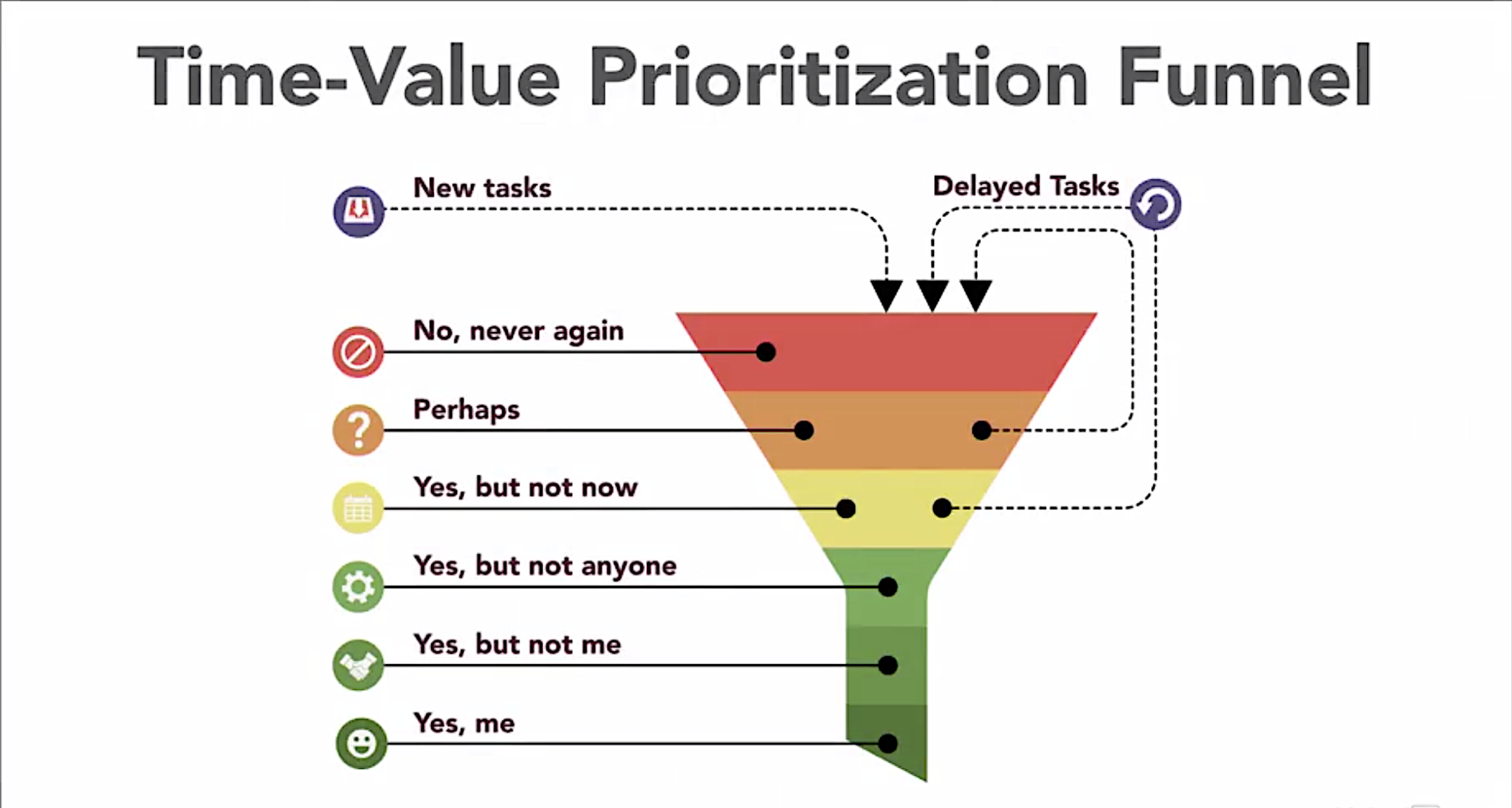
- Reduces stress: By organizing and prioritizing your tasks, you can establish a clear roadmap for your day, reducing feelings of chaos and uncertainty.
- Improves productivity: Prioritizing tasks allows you to focus on the most important ones first, leading to greater efficiency and accomplishment.
- Frees up time: By clarifying your priorities, you can identify and eliminate unnecessary tasks, freeing up time for more meaningful pursuits.
- Boosts confidence: When you successfully complete prioritized tasks, you build confidence in your abilities and reduce self-doubt.
How to Master Task Prioritization
1. Identify Your Goals:
Before you can prioritize tasks, you need to know what you’re working towards. Clearly define your short-term and long-term goals to provide context for your tasks.
2. Use the Eisenhower Matrix:
Divide tasks into four categories based on urgency and importance:
- Urgent and Important: Do these tasks immediately.
- Important but Not Urgent: Schedule these tasks for later in the day or week.
- Urgent but Not Important: Delegate these tasks or reschedule them.
- Not Urgent and Not Important: Eliminate or defer these tasks.
3. Consider the Consequences:
Assess the potential consequences of not completing each task on time. This will help you determine which tasks have the most impact and should be prioritized.
4. Delegate and Outsource:
Identify tasks that can be delegated to others or outsourced to save time and focus on higher-priority activities.
5. Batch Similar Tasks:
Group similar tasks together to minimize context switching and increase efficiency. For example, schedule all phone calls or emails within a specific time slot.
6. Use Technology:
Leverage task management software, calendars, and reminder apps to organize and track your tasks. This can provide a visual representation of your workload and help you stay on track.
7. Take Breaks:
Regular breaks are essential for maintaining focus and productivity. Schedule short intervals throughout the day to rest and replenish your energy levels.
Remember:
- Prioritization is an ongoing process that may require adjustments as circumstances change.
- Don’t be afraid to re-evaluate and re-prioritize your tasks as needed.
- Reward yourself for completing prioritized tasks to boost motivation.
By mastering task prioritization, you can transform overwhelming workloads into manageable and achievable goals. You’ll reduce stress, improve productivity, and create a more balanced and fulfilling life. Remember, prioritizing tasks is not just about checking items off a list but about strategically managing your time and energy to achieve your objectives and live a life of purpose.## Executive Summary
Task prioritization is a crucial skill for managing the overwhelming amount of responsibilities and commitments that professionals face in today’s fast-paced work environments. By mastering task prioritization techniques, individuals can effectively allocate their time and resources, improve productivity, reduce stress, and achieve greater success in both their personal and professional lives. This comprehensive guide provides a step-by-step framework for mastering task prioritization, including practical tips, actionable strategies, and expert insights.
Introduction
In the modern world, professionals are constantly bombarded with tasks, emails, and responsibilities, making it easy to feel overwhelmed and unsure of where to focus. The ability to prioritize tasks is essential for managing this information overload and ensuring that the most important tasks are completed efficiently and effectively. Task prioritization is not just about completing tasks; it’s about completing the right tasks at the right time.
Frequently Asked Questions (FAQs)
Q: What is task prioritization?
A: Task prioritization is the process of identifying the tasks that are most important and need to be completed first. It involves evaluating tasks based on factors such as urgency, importance, and impact, and then assigning them a priority level.
Q: Why is task prioritization important?
A: Task prioritization helps you focus on the most important tasks, improve your productivity, reduce stress, and achieve greater success in both your personal and professional life.
Q: How can I improve my task prioritization skills?
A: You can improve your task prioritization skills by using a variety of techniques, such as the Eisenhower Matrix, the ABCDE Method, and the MoSCoW Method.
Top 5 Subtopics for Mastering Task Prioritization
1. Identifying Important Tasks
- Consider the impact of the task: What are the potential consequences of not completing the task?
- Evaluate the urgency of the task: Is the task due soon or can it be postponed?
- Determine the alignment with your goals: Does the task contribute to your short-term or long-term objectives?
2. Establishing Clear Priorities
- Use the Eisenhower Matrix: Categorize tasks based on urgency and importance, with “urgent and important” tasks receiving the highest priority.
- Apply the ABCDE Method: Assign each task a priority level (A, B, C, D, or E) based on its importance and urgency.
- Consider the MoSCoW Method: Identify tasks as “must-haves” (Mo), “should-haves” (S), “could-haves” (C), or “won’t-haves” (W).
3. Allocating Time and Resources Effectively
- Use a time management tool: Plan your day using a calendar, planner, or task management app to allocate time for each task.
- Delegate tasks when possible: Identify tasks that can be assigned to others to free up your time for more important tasks.
- Take breaks: Regular breaks help maintain focus and prevent burnout, which can negatively impact task prioritization.
4. Staying Organized and Focused
- Create a to-do list: Keep track of all your tasks in one place to avoid forgetting or overlooking important items.
- Use a task management system: Consider using digital tools like Trello or Asana to organize tasks, assign priorities, and track progress.
- Minimize distractions: Create a dedicated workspace and eliminate distractions to maintain focus and productivity.
5. Reviewing and Adjusting Priorities Regularly
- Re-evaluate priorities: Regularly assess if your priorities are still aligned with your goals and objectives.
- Make adjustments as needed: Don’t hesitate to adjust your priorities based on changing circumstances or new information.
- Learn from mistakes: Identify areas where task prioritization could be improved and make necessary adjustments to enhance your future performance.
Conclusion
Mastering task prioritization is an essential skill for achieving success in today’s fast-paced work environments. By effectively identifying important tasks, establishing clear priorities, allocating time and resources effectively, staying organized and focused, and reviewing and adjusting priorities regularly, professionals can overcome the challenges of overwhelm and achieve greater productivity, reduced stress, and improved outcomes in both their personal and professional lives.
Relevant Keyword Tags
- Task prioritization
- Time management
- Productivity
- Stress management
- Goal achievement