
Unlock the Power of Sleep for Effective Time Management
Healthy sleep habits play a crucial role in unlocking the secrets of successful time management. By optimizing sleep patterns, individuals can enhance their cognitive abilities, boost productivity, and maximize their time effectively.
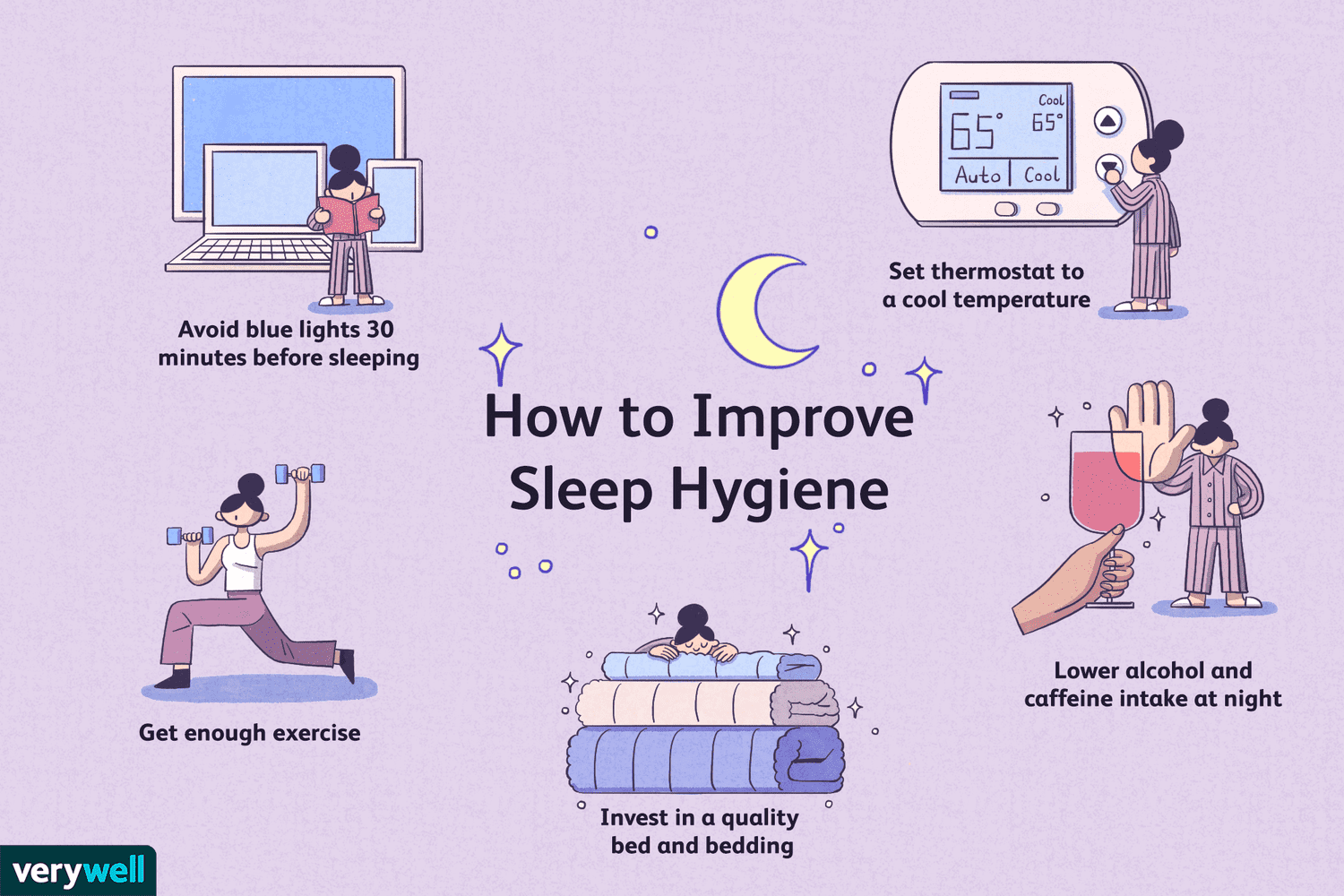
1. Establish a Regular Sleep-Wake Cycle:

- Go to bed and wake up around the same time each day, even on weekends.
- This helps regulate the body’s natural sleep-wake cycle (circadian rhythm).
2. Create a Conducive Sleep Environment:
- Ensure your bedroom is dark, quiet, and cool.
- Use blackout curtains, earplugs, and a fan to create an optimal sleep setting.
3. Avoid Caffeine and Alcohol Before Bed:
- Caffeine and alcohol can interfere with sleep quality and make it harder to fall asleep.
- Avoid consuming these substances several hours before bedtime.
4. Engage in Relaxing Activities Before Sleep:
- Take a warm bath, read a book, or listen to calming music to signal your body to prepare for sleep.
- Avoid using electronic devices that emit blue light, as this can suppress melatonin production and make it harder to fall asleep.
5. Get Enough Sunlight During the Day:
- Sunlight helps regulate the body’s circadian rhythm.
- Spend time outdoors or near a window for at least 30 minutes each day.
6. Exercise Regularly:
- Regular exercise can improve sleep quality and reduce stress.
- Aim for at least 150 minutes of moderate-intensity exercise per week.
7. Avoid Napping Too Much:
- While short naps can be beneficial, excessive napping during the day can disrupt nighttime sleep.
- Limit naps to no more than 30 minutes, and avoid napping too close to bedtime.
8. Seek Professional Help if Needed:
- If you experience persistent sleep problems, consult with a healthcare professional.
- There may be underlying medical conditions or sleep disorders that require treatment.
Benefits of Healthy Sleep Habits for Time Management:
- Improved Cognitive Function: Sleep boosts memory, concentration, and decision-making abilities.
- Increased Productivity: Well-rested individuals are more efficient and productive during the day.
- Reduced Time Wasters: Lack of sleep leads to procrastination, distractions, and errors. Healthy sleep habits minimize these time-wasting behaviors.
- Enhanced Motivation: Sufficient sleep improves mood, motivation, and overall well-being, making individuals more likely to tackle tasks effectively.
- Better Decision-Making: Sleep deprivation impairs judgment and decision-making skills. Healthy sleep habits support sound decision-making and minimize regrettable choices.
By incorporating these healthy sleep habits into their routines, individuals can unlock the secrets of successful time management. Optimal sleep provides the cognitive foundation for increased productivity, efficiency, and effective use of time. Remember, investing in quality sleep is an investment in your time management success.## Unlocking The Secrets Of Successful Time Management Through Healthy Sleep Habits
Executive Summary
This comprehensive guide delves into the intricate relationship between healthy sleep habits and effective time management. Join us on a journey to discover the transformative power of sleep and how it empowers you to optimize your productivity, enhance your focus, and unlock the potential for unwavering success.
Introduction
In today’s fast-paced digital era, time has become our most precious commodity. As we strive to juggle demanding schedules, relentless deadlines, and the constant lure of distractions, finding ways to optimize our time has become paramount. Often overlooked, sleep plays a pivotal role in helping us achieve this elusive goal.
FAQs
1. How does lack of sleep impact time management?
Sleep deprivation can lead to impaired cognitive function, difficulty concentrating, and reduced productivity. It disrupts our ability to plan, prioritize tasks, and make sound decisions, hindering our capacity for effective time management.
2. What are the key benefits of getting enough sleep for time management?
Adequate sleep boosts our alertness, improves memory, enhances focus, and sharpens our decision-making abilities. With a well-rested mind, we can tackle tasks more efficiently, prioritize effectively, and make optimal use of our time.
3. How can I establish a healthy sleep routine?
Creating a consistent sleep-wake cycle, maintaining a relaxing bedtime routine, and optimizing your sleep environment are crucial for establishing healthy sleep patterns. Avoid caffeine and alcohol before bed, and ensure your bedroom is dark, quiet, and cool.
Subtopics
1. The Circadian Rhythm and Its Role in Sleep Regulation
The circadian rhythm is our body’s natural sleep-wake cycle, influenced by light, darkness, and our daily activities. Understanding how our circadian rhythm works helps us optimize our sleep patterns.
- Sunlight Exposure: Sunlight helps regulate our circadian rhythm. Aim for 15-30 minutes of morning sunlight to promote wakefulness and improve sleep later in the evening.
- Blue Light Exposure: Blue light emitted from electronic devices can disrupt the production of melatonin, the hormone that induces sleep. Limit screen time before bed.
- Regular Sleep-Wake Cycle: Maintaining a consistent sleep-wake schedule, even on weekends, keeps our circadian rhythm in sync and promotes better sleep.
2. The Importance of Sleep Duration and Quality
The amount and quality of sleep we get significantly impact our cognitive function and productivity. Aim for 7-9 hours of restful sleep each night.
- Sleep Duration: Adults require 7-9 hours of sleep per night for optimal performance. Chronic sleep deprivation can lead to a range of physical and mental health issues.
- Sleep Quality: Restful sleep is characterized by deep, uninterrupted sleep cycles. Factors like stress, anxiety, and sleep disorders can interfere with sleep quality.
3. The Relationship Between Sleep and Cognitive Function
Sleep plays a crucial role in cognitive function, including memory, attention, and decision-making. Prioritizing sleep helps us maintain high levels of focus and mental acuity throughout the day.
- Memory Consolidation: During sleep, our memories are processed and stored. Adequate sleep strengthens memory retention and recall.
- Attention and Concentration: Sleep deprivation impairs our ability to sustain attention, process information, and concentrate.
- Emotional Regulation: Sleep deprivation affects our emotional well-being, making us more susceptible to irritability, mood swings, and impaired decision-making.
4. The Impact of Sleep on Stress and Time Management
Stress can interfere with sleep, and lack of sleep can exacerbate stress levels, leading to a detrimental cycle. Breaking this cycle is essential for successful time management.
- Stress and Sleep: Chronic stress can disrupt our sleep patterns, making it harder to fall and stay asleep.
- Sleep and Stress Management: Prioritizing sleep can help reduce stress levels, improving mood, cognitive function, and overall well-being.
5. Strategies for Improving Sleep Hygiene
Adopting and maintaining good sleep habits are crucial for achieving optimal sleep hygiene. Implement these strategies to improve your sleep quality.
- Bedtime Routine: Create a relaxing bedtime routine to signal your body that it’s time to wind down.
- Sleep Environment: Optimize your sleep environment by ensuring it’s dark, quiet, and cool.
- Avoid Stimulants: Limit caffeine and alcohol consumption before bed, as they can interfere with sleep.
Conclusion
The path to successful time management is intricately intertwined with the pursuit of healthy sleep habits. By understanding the profound impact sleep has on our cognitive function, productivity, and stress levels, we can unlock the transformative power of restful nights. Embrace the strategies outlined in this guide, cultivate healthy sleep routines, and experience the remarkable benefits that await you as you master the art of time management through the power of sleep.
Keyword Tags
- Time Management
- Sleep Hygiene
- Circadian Rhythm
- Sleep Duration
- Cognitive Function