Get a Good Night’s Sleep: How Sleep Affects Productivity
Sleep is a crucial factor for overall health and well-being, and it plays a significant role in our productivity levels. Studies have shown that getting a good night’s sleep can improve cognitive function, decision-making, and memory, leading to increased productivity.
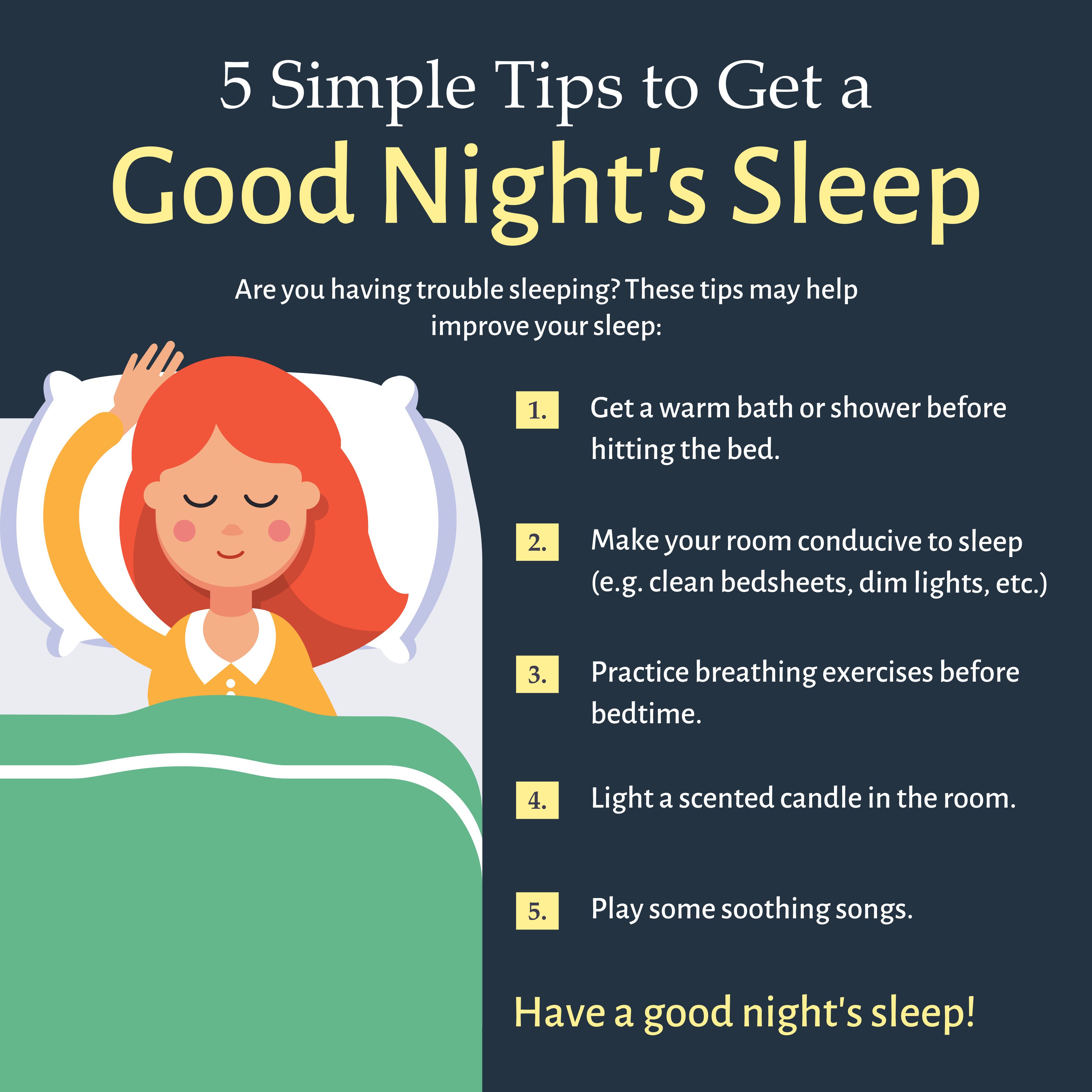
Benefits of Sleep for Productivity:

Increased Cognitive Function: Sleep deprivation impairs cognitive functions such as attention, memory, and problem-solving. Getting enough sleep helps restore these functions, improving our ability to focus, process information, and make decisions.
Enhanced Memory: Sleep plays a vital role in memory consolidation, the process by which memories are strengthened and stored in the brain. Proper sleep allows the brain to efficiently consolidate new memories, which are essential for learning and recalling information.
Improved Decision-Making: Lack of sleep can lead to impaired decision-making abilities, reducing our ability to weigh options, consider consequences, and make sound judgments. Getting enough sleep helps restore our cognitive resources, allowing us to make better decisions and minimize errors.
Reduced Fatigue and Improved Mood: Sleep deprivation can lead to fatigue, irritability, and reduced motivation, which can significantly affect our productivity. Getting a good night’s sleep helps us feel rested, energized, and more positive, which in turn enhances our ability to perform tasks effectively.
How to Get a Good Night’s Sleep:
Establish a Regular Sleep Schedule: Go to bed and wake up around the same time each day, even on weekends. This helps regulate your body’s natural sleep-wake cycle.
Create a Relaxing Bedtime Routine: Engage in calming activities before bed, such as taking a warm bath, reading, or listening to soothing music. Avoid screen time for at least an hour before bed, as the blue light emitted from electronic devices can interfere with sleep.
Optimize Your Sleep Environment: Make sure your bedroom is dark, quiet, and cool. Use blackout curtains, a white noise machine, or earplugs to minimize distractions and create an ideal sleeping environment.
Get Regular Exercise: Physical activity can promote better sleep, but avoid working out too close to bedtime. Exercise can increase body temperature, which can make it harder to fall asleep.
Avoid Caffeine and Alcohol Before Bed: Caffeine and alcohol can disrupt sleep patterns and prevent you from getting a restful night’s sleep. Limit caffeine intake in the hours leading up to bedtime, and avoid alcohol altogether before sleep.
Conclusion:
Getting a good night’s sleep is essential for optimal productivity. By following these strategies for improving sleep, you can enhance your cognitive function, improve your decision-making skills, and increase your energy levels. Prioritize sleep and reap the benefits of increased productivity and overall well-being.## Get A Good Night’s Sleep: How Sleep Affects Productivity
Executive Summary
Losing sleep can significantly impact your physical and cognitive health, and it can have a significant impact on your productivity. Getting quality sleep each night is essential to maintaining your productivity and overall well-being. This article will explore the effects of sleep on productivity and discuss ways to improve your sleep habits.
Introduction
Sleep is a vital part of our daily routine. It allows our bodies to rest and repair themselves, and it helps us to consolidate memories and process information. When we don’t get enough sleep, we can experience a range of negative side effects, including fatigue, irritability, and difficulty concentrating. In the long term, sleep deprivation can also lead to more serious health problems, such as heart disease, stroke, and diabetes.
FAQs
1. How much sleep do I need?
The National Sleep Foundation recommends that adults get 7-9 hours of sleep per night. However, the amount of sleep you need may vary depending on your age, activity level, and overall health.
2. What are the signs of sleep deprivation?
Some common signs of sleep deprivation include:
- Fatigue
- Irritability
- Difficulty concentrating
- Memory problems
- Slow reaction times
- Increased risk of accidents
3. How can I improve my sleep habits?
There are several things you can do to improve your sleep habits, including:
- Establish a regular sleep schedule and stick to it as much as possible, even on weekends.
- Create a relaxing bedtime routine to help you wind down before bed.
- Make sure your bedroom is dark, quiet, and cool.
- Avoid caffeine and alcohol before bed.
- Get regular exercise, but avoid exercising too close to bedtime.
The Effects of Sleep on Productivity
Sleep deprivation can have a significant impact on your productivity. When you don’t get enough sleep, you may find it difficult to concentrate, make decisions, and solve problems. You may also be more likely to make mistakes and experience accidents.
In addition, sleep deprivation can lead to decreased motivation and creativity. When you’re tired, it’s harder to find the energy to be productive and to come up with new ideas.
Ways to Improve Your Sleep Habits
There are several things you can do to improve your sleep habits and get a better night’s sleep. These include:
- Establish a regular sleep schedule and stick to it as much as possible, even on weekends. This will help to regulate your body’s natural sleep-wake cycle.
- Create a relaxing bedtime routine to help you wind down before bed. This could include taking a warm bath, reading a book, or listening to calming music.
- Make sure your bedroom is dark, quiet, and cool. These conditions are ideal for sleep.
- Avoid caffeine and alcohol before bed. Caffeine and alcohol can interfere with sleep.
- Get regular exercise, but avoid exercising too close to bedtime. Exercise can help you to fall asleep more easily, but it can also make it harder to fall asleep if you exercise too close to bedtime.
- See a doctor if you have trouble sleeping. If you have trouble sleeping despite following these tips, see a doctor. There may be an underlying medical condition that is interfering with your sleep.
Conclusion
Getting a good night’s sleep is essential for maintaining your productivity and overall well-being. By following the tips in this article, you can improve your sleep habits and get the rest you need to be successful.
Keyword Tags
- sleep
- productivity
- sleep deprivation
- sleep habits
- improve sleep