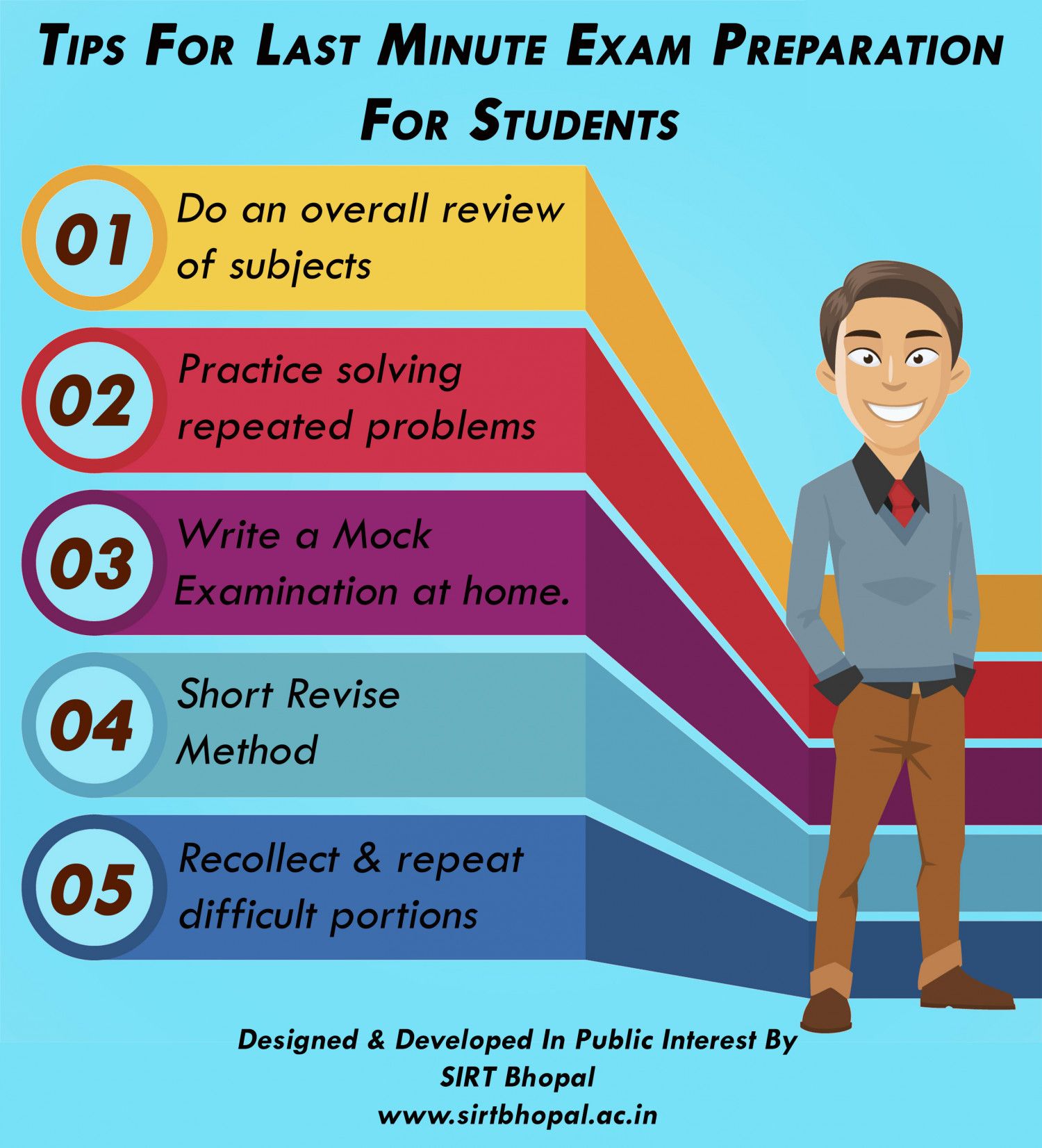
Benefits of Active Learning for Exam Preparation:
1. Enhanced Comprehension:
Active learning involves actively engaging with the material, such as through note-taking, summarizing, and discussing concepts. This forces students to process information at a deeper level, leading to improved comprehension.
2. Increased Retention:
When students actively participate in learning, they are more likely to retain information over time. Active learning techniques help form strong neural connections in the brain, making recall easier.
3. Improved Problem-Solving Skills:
Active learning often involves practicing problems and simulations. This develops students’ critical thinking skills and ability to apply knowledge to real-world situations, which is crucial for exam success.
4. Increased Confidence:
Active learning allows students to test their understanding and identify areas where they need improvement. This builds confidence in their ability to recall and apply knowledge on the exam.
5. Reduced Test Anxiety:
By preparing through active learning, students become more familiar with the material and develop a better understanding of concepts. This reduces test anxiety and improves exam performance.
Effective Active Learning Techniques:

1. Note-taking and Summarizing:
Writing down key points, creating diagrams, and summarizing concepts helps reinforce learning.
2. Discussions and Study Groups:
Engaging in discussions with peers allows students to exchange perspectives, ask questions, and challenge their understanding.
3. Practice Problems and Simulations:
Applying concepts through practice problems and simulations helps students develop problem-solving skills and identify areas for improvement.
4. Role-Playing and Case Studies:
Simulating real-world situations through role-playing and case studies provides hands-on experience and enhances critical thinking.
5. Retrieval Practice:
Regularly testing oneself on the material helps improve recall and strengthens neural connections.
Implementation in Exam Preparation:
- Allocate Study Time: Dedicate specific time slots for active learning activities.
- Set Learning Goals: Outline specific concepts you want to master through active learning.
- Choose Engaging Techniques: Select techniques that align with your learning style and the exam format.
- Practice Regularly: Engage in active learning exercises consistently throughout your preparation period.
- Seek Feedback: Share your work with peers or instructors for constructive criticism to identify areas for improvement.
By incorporating active learning into their exam preparation, students can significantly enhance their comprehension, retention, and exam performance.## The Importance Of Active Learning For Exam Preparation
Executive Summary
Active learning is a learning method that emphasizes the engagement of the learner in the learning process. This type of learning involves activities such as discussions, simulations, role-playing, and problem-solving. Active learning has been shown to be more effective than traditional passive learning methods, such as lectures, because it helps students to retain information better and apply it to new situations.
Introduction
Preparing for an exam can be a daunting task, especially if you are not used to studying actively. However, by using active learning techniques, you can improve your retention of information and learn more effectively. In this article, we will discuss the importance of active learning for exam preparation and explore various techniques that you can use to improve your studying.
FAQs
1. What is the difference between active learning and passive learning?
- Active learning is a learning method that emphasizes the engagement of the learner in the learning process. It involves activities such as discussions, simulations, role-playing, and problem-solving.
- Passive learning is a learning method that involves listening to a lecture or reading a book.
2. What are the benefits of active learning?
- Improved retention: Active learning helps students to retain information better than passive learning methods.
- Increased understanding: Active learning helps students to understand concepts more deeply and to apply them to new situations.
- Improved critical thinking skills: Active learning helps students to develop critical thinking skills, such as problem-solving, analysis, and evaluation.
3. How can I use active learning to prepare for exams?
There are many different ways to use active learning to prepare for exams. Some effective techniques include:
- Spaced repetition: Reviewing material at spaced intervals helps to improve retention.
- Retrieval practice: Recalling information from memory helps to strengthen memories.
- Interleaving: Mixing up different types of problems helps to improve understanding and retention.
- Elaboration: Explaining concepts to others helps to deepen understanding.
- Self-explanation: Talking through a problem or concept out loud helps to identify gaps in understanding.
Subtopics
1. Spaced Repetition
Spaced repetition is a learning technique that involves reviewing material at spaced intervals. This helps to improve retention because it prevents the information from being forgotten. There are many different ways to implement spaced repetition, such as using flashcards, spaced repetition software, or reviewing your notes at regular intervals.
2. Retrieval Practice
Retrieval practice is a learning technique that involves recalling information from memory. This helps to strengthen the memory and makes it more likely that you will be able to recall the information in the future. There are many different ways to practice retrieval, such as answering questions, completing practice problems, or summarizing the material in your own words.
3. Interleaving
Interleaving is a learning technique that involves mixing up different types of problems. This helps to improve understanding and retention because it forces you to think about the material in different ways. For example, instead of studying math problems by topic, you might mix up different types of problems together.
4. Elaboration
Elaboration is a learning technique that involves explaining concepts to others. This helps to deepen understanding because it forces you to think about the material in more detail and to organize your thoughts. You can elaborate by explaining concepts to a friend, writing about them in a journal, or creating a mind map.
5. Self-Explanation
Self-explanation is a learning technique that involves talking through a problem or concept out loud. This helps to identify gaps in understanding because it forces you to explain your reasoning and to identify any areas where you are unclear. You can self-explain by talking through a problem with a friend or by recording yourself explaining the concept.
Conclusion
Active learning is a powerful tool that can help you to prepare for exams more effectively. By using active learning techniques, you can improve your retention of information, your understanding of concepts, and your critical thinking skills. This will help you to do better on exams and to achieve your academic goals.
Keyword Tags
- Active Learning
- Exam Preparation
- Spaced Repetition
- Retrieval Practice
- Interleaving
- Elaboration
- Self-Explanation