Understanding the Power of Rewards:
- Rewards create a sense of accomplishment and satisfaction, which boosts motivation.
- They provide a tangible goal to strive towards, making it easier to focus on the task.
- Rewards break down overwhelming tasks into smaller, manageable chunks.
Effective Rewards:

- Immediate: Choose rewards that can be enjoyed shortly after completing the task, fostering a sense of gratification.
- Meaningful: Select rewards that are personally valuable or meaningful, making them more motivating.
- Variable: Alternate different types of rewards to maintain interest and prevent monotony.
- Realistic: Set achievable rewards that are within reach, avoiding disappointment.
Implementation Strategies:
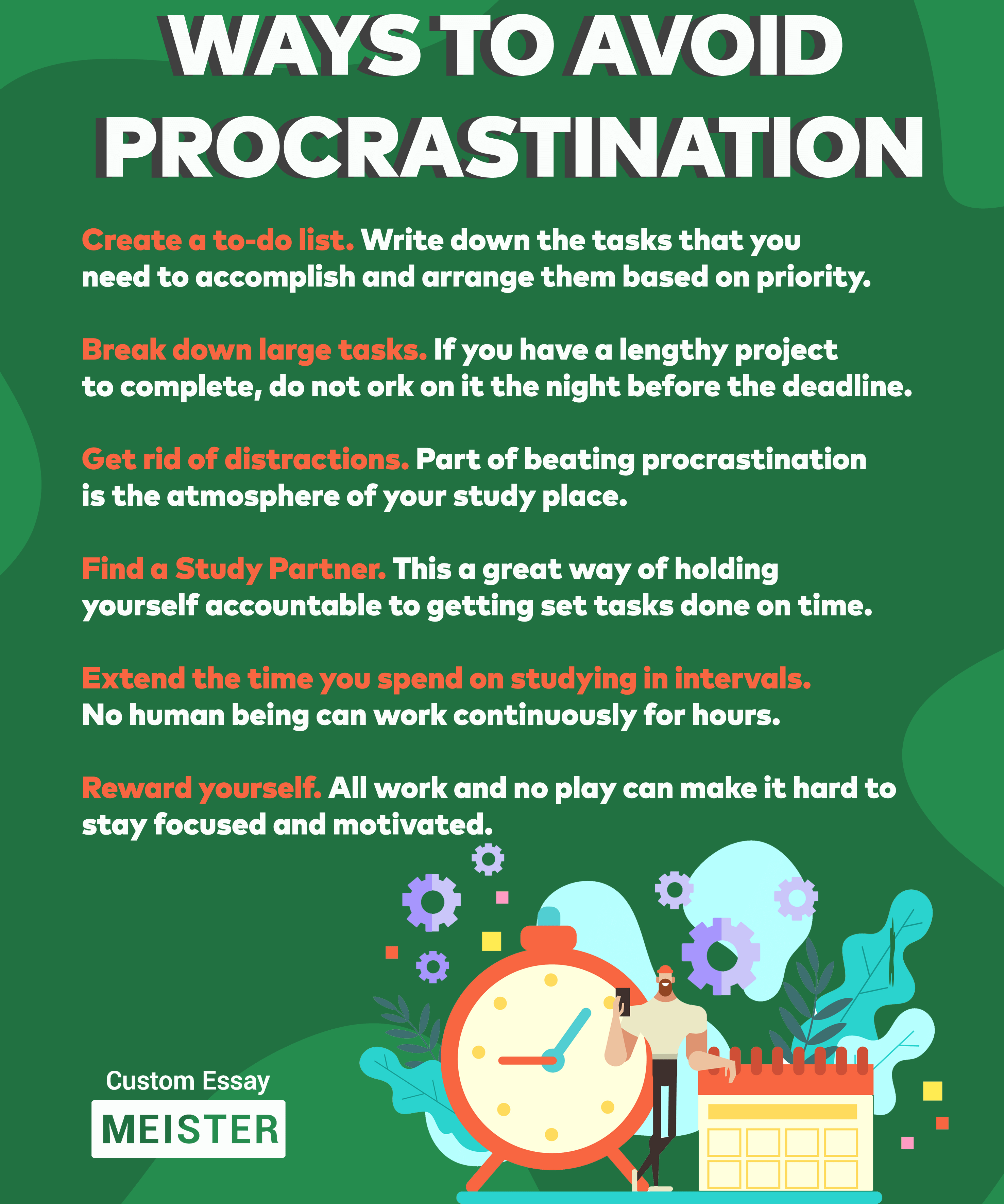
- Identify Triggers: Determine the tasks or situations that typically lead to procrastination.
- Establish Rewards: Plan specific rewards for completing these tasks or overcoming procrastination.
- Create a Reward System: Implement a system to track progress and provide rewards consistently.
- Reward Yourself Regularly: Acknowledge your accomplishments and reward yourself accordingly.
- Share Your Rewards: Consider sharing your rewards with others to amplify the feeling of accomplishment.
Additional Tips:
- Break Down Tasks: Divide large or overwhelming tasks into smaller steps, making them less daunting and easier to reward.
- Focus on Progress: Reward yourself for effort and progress, not just perfect outcomes.
- Set Realistic Goals: Avoid overestimating your abilities or setting unrealistic goals that can lead to discouragement.
- Eliminate Distractions: Create a distraction-free environment while working and avoid triggers that tempt procrastination.
- Celebrate Successes: Take time to reflect on your accomplishments and reward yourself for staying motivated.
Example:
Task: Study for an exam
Reward:
- Immediate: 15-minute break to watch a favorite show
- Meaningful: A new book related to the exam material
- Variable: A movie ticket or a dinner out with friends
By using rewards effectively, you can create a positive feedback loop that boosts motivation, reduces procrastination, and enhances your ability to achieve your goals.## Using Rewards To Stay Motivated And Avoid Procrastination
Executive Summary:
Procrastination is a common problem that can have a negative impact on our productivity and success. One effective way to combat procrastination is to use rewards. By providing ourselves with small rewards for completing tasks, we can create a positive feedback loop that motivates us to continue working. This article will explore the benefits of using rewards to stay motivated and avoid procrastination, and provide tips for creating an effective rewards system.
Introduction:
Procrastination is the act of delaying or postponing a task or set of tasks. It is a common problem that can affect people of all ages and backgrounds. While procrastination may seem like a harmless habit, it can actually have a number of negative consequences, including:
- Reduced productivity
- Missed deadlines
- Increased stress
- Lower self-esteem
If you find yourself procrastinating, there are a number of things you can do to overcome this habit. One effective strategy is to use rewards. By providing yourself with small rewards for completing tasks, you can create a positive feedback loop that motivates you to continue working.
FAQs:
Q: What are the benefits of using rewards to stay motivated?
A: Rewards can provide a number of benefits, including:
- Increased motivation
- Reduced procrastination
- Improved productivity
- Greater sense of accomplishment
Q: How can I create an effective rewards system?
A: To create an effective rewards system, follow these steps:
- Choose rewards that are meaningful to you.
- Make the rewards small and attainable.
- Offer rewards frequently.
- Be consistent with your rewards.
Q: What are some examples of rewards that I can use?
A: Some examples of rewards that you can use include:
- A break from work
- A favorite snack
- A new book or movie
- A night out with friends
Types of Rewards
There are many different types of rewards that you can use to stay motivated and avoid procrastination. The best type of reward is one that is meaningful to you and that you will actually enjoy. Here are a few examples of different types of rewards:
- Tangible rewards: These are physical rewards that you can touch and hold, such as a new book, a new gadget, or a gift certificate to your favorite store.
- Experiential rewards: These are rewards that involve doing something that you enjoy, such as going to a concert, taking a class, or going on a trip.
- Social rewards: These are rewards that involve interacting with other people, such as going out to dinner with friends, playing a game with your family, or volunteering your time to a cause that you care about.
How to Choose the Right Reward
When choosing a reward, it is important to consider your own individual preferences and motivations. The best reward is one that is meaningful to you and that you will actually enjoy. Here are a few tips for choosing the right reward:
- Make sure the reward is something that you really want. If you don’t enjoy the reward, you won’t be motivated to work towards it.
- Choose a reward that is small and attainable. If the reward is too large, you may become discouraged and give up before you reach it.
- Offer rewards frequently. If you only offer rewards for completing large tasks, you may lose motivation before you reach your goal.
- Be consistent with your rewards. If you don’t always follow through on your rewards, you will lose trust in your system and it will be less effective.
Conclusion:
Using rewards can be an effective way to stay motivated and avoid procrastination. By providing yourself with small rewards for completing tasks, you can create a positive feedback loop that motivates you to continue working. When choosing a reward, it is important to consider your own individual preferences and motivations. The best reward is one that is meaningful to you and that you will actually enjoy.