Tips for Students to Get a Good Night’s Sleep
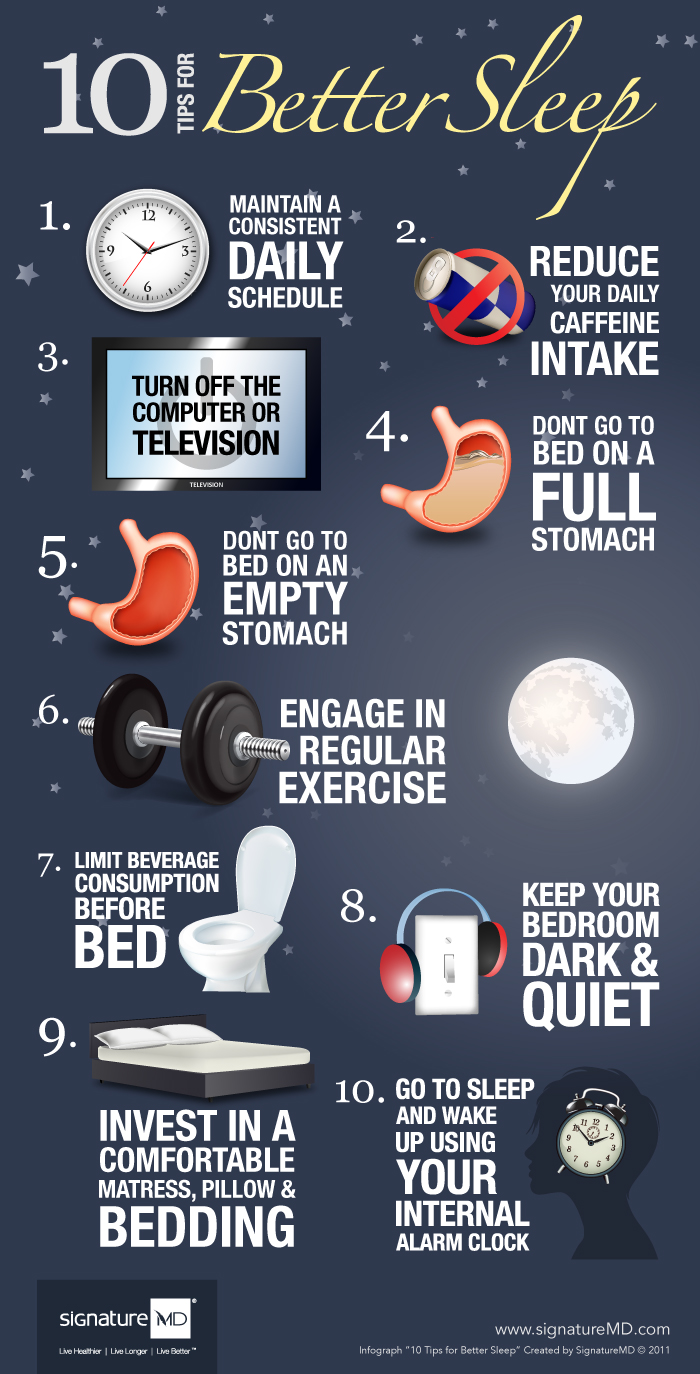
Establish a Regular Sleep-Wake Cycle:
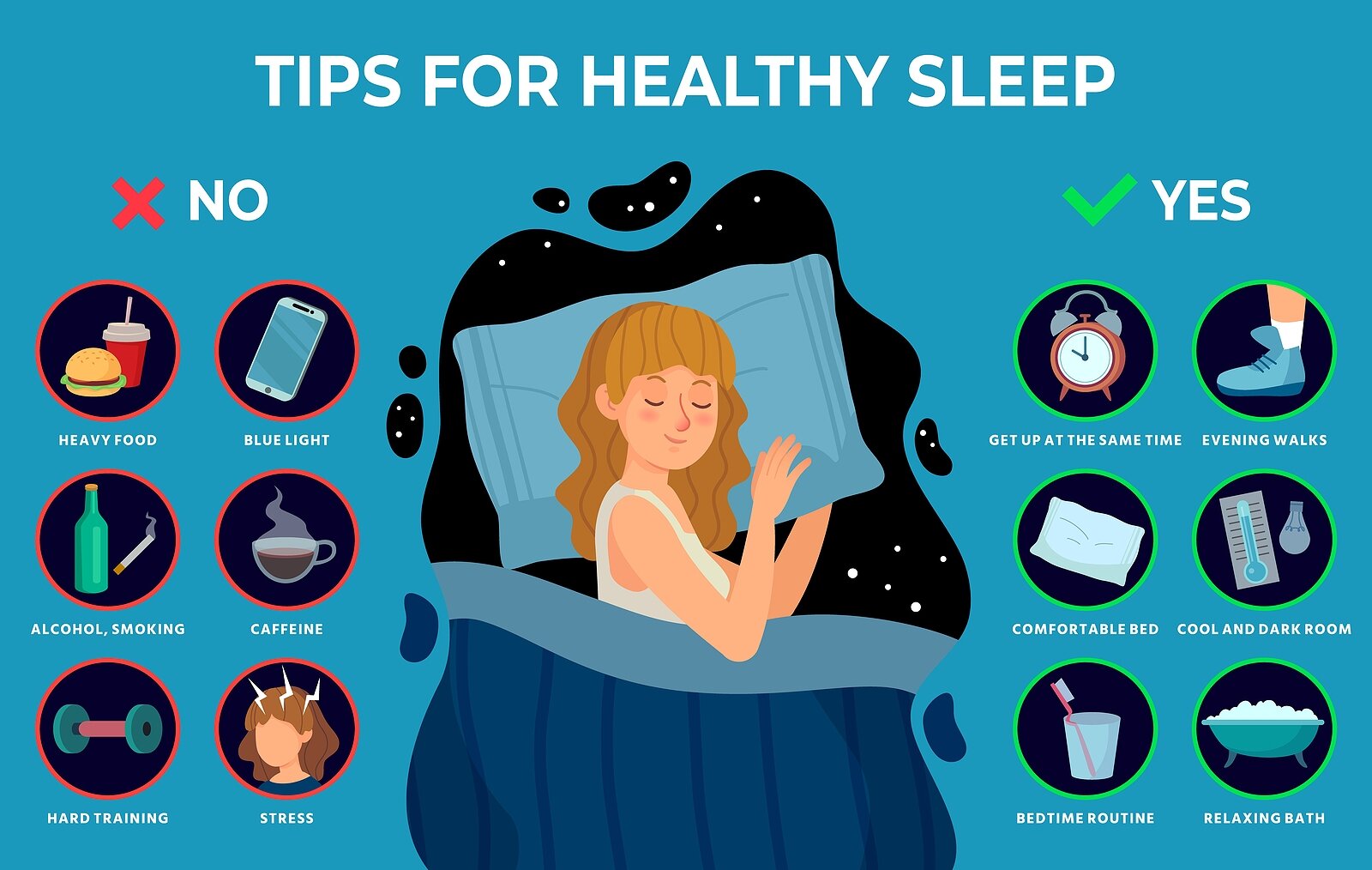
- Go to bed and wake up around the same time each day, even on weekends.
- This helps regulate your body’s natural sleep-wake cycle.
Create a Conducive Sleep Environment:

- Make sure your bedroom is dark, quiet, and cool.
- Use room-darkening curtains, earplugs, and a white noise machine to minimize distractions.
- Invest in a comfortable mattress and pillows.
Limit Caffeine and Alcohol Before Bed:
- Caffeine and alcohol can interfere with sleep.
- Avoid consuming them in the hours leading up to bedtime.
Avoid Screen Time Before Bed:
- The blue light emitted from electronic devices can suppress melatonin production, making it harder to fall asleep.
- Turn off all screens at least 1-2 hours before bedtime.
Get Regular Exercise:
- Physical activity can promote sleep, but avoid exercising too close to bedtime.
- Aim for at least 30 minutes of moderate-intensity exercise most days of the week.
Practice Relaxation Techniques:
- Activities like deep breathing, meditation, or yoga can help calm the mind and body before bed.
- Try incorporating these practices into a regular bedtime routine.
Avoid Large Meals Before Bed:
- Eating a heavy meal close to bedtime can make it harder to fall asleep.
- If you’re hungry, opt for a light snack instead.
Limit Napping:
- While naps can be beneficial, excessive or late-afternoon naps can disrupt your sleep-wake cycle.
- If you need a nap, keep it short (30-60 minutes) and earlier in the day.
Rule Out Underlying Conditions:
- If you’re consistently struggling with sleep, consult a healthcare professional.
- Certain underlying medical conditions, such as insomnia or sleep apnea, can affect sleep quality.
Other Tips:
- Make sure your bed is used for sleep only.
- Avoid using the bed for activities like work, studying, or watching TV.
- Keep a sleep diary to track your sleep patterns and identify potential triggers.
- Consider using a sleep tracker to monitor your sleep quality and duration.
- If necessary, seek professional guidance from a sleep specialist to address specific sleep issues.