
Procrastination and Mental Health
Procrastination, the tendency to postpone tasks until the last minute, is a common phenomenon that can have a significant impact on mental health. Understanding the relationship between procrastination and mental well-being is crucial for individuals to break free from this cycle and improve their overall health.
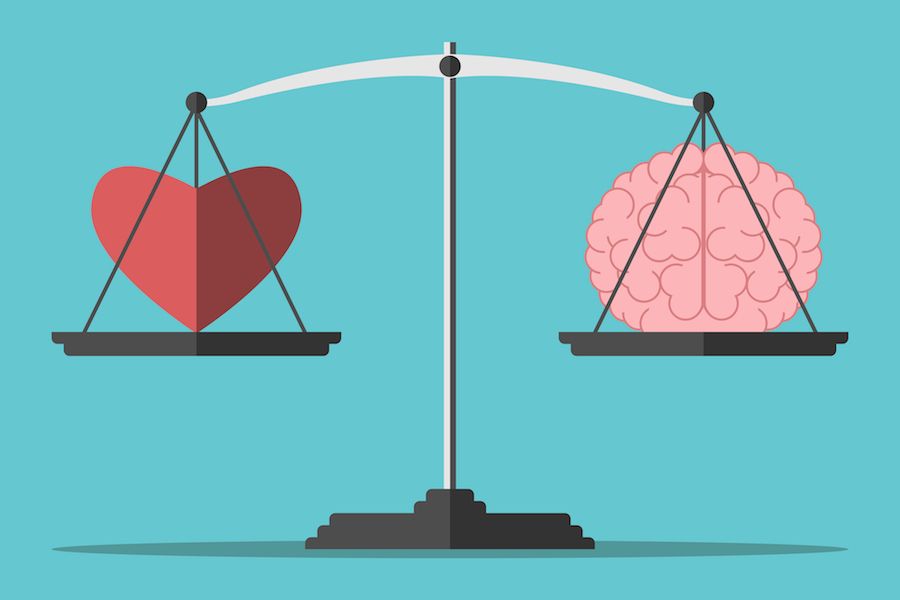
Negative Effects of Procrastination on Mental Health:

- Increased Stress and Anxiety: Procrastination creates a constant sense of urgency and overwhelm, which can lead to elevated levels of stress and anxiety.
- Reduced Self-Esteem: Failure to complete tasks on time can erode self-esteem and contribute to feelings of inadequacy.
- Mood Swings: Procrastination can trigger a cycle of positive emotions (e.g., relief from immediate pressure) followed by negative emotions (e.g., guilt, shame) as deadlines approach.
- Impaired Relationships: Procrastination can affect relationships with colleagues, family, and friends as it disrupts trust and communication.
- Increased Risk of Depression: Prolonged procrastination has been linked to an increased risk of developing depression due to negative self-perceptions and feelings of hopelessness.
Underlying Causes of Procrastination and Mental Health Issues:
- Perfectionism: A desire to produce flawless work can result in fear of failure and procrastination.
- Low Self-Esteem: Individuals with low self-esteem may procrastinate out of a belief that they are not capable of completing tasks successfully.
- Anxiety and Depression: Mental health conditions such as anxiety and depression can impair focus and motivation, leading to procrastination.
- Attention Deficit Hyperactivity Disorder (ADHD): Procrastination is a common symptom of ADHD, characterized by difficulty with attention, impulsivity, and organization.
- Cognitive Distortions: Procrastinators often engage in negative thinking patterns, such as catastrophizing or underestimating their abilities.
Finding Balance and Well-being:
Overcoming procrastination requires a multifaceted approach that addresses both its underlying causes and its impact on mental health.
- Cognitive Behavioral Therapy (CBT): CBT helps individuals challenge negative thoughts, develop coping mechanisms for stress, and improve self-esteem.
- Mindfulness: Practicing mindfulness can enhance focus, reduce anxiety, and promote a sense of calm.
- Time Management Techniques: Implementing structured time management strategies, such as the Pomodoro Technique, can help individuals break down tasks into manageable chunks.
- Reward System: Establish a system of small rewards for completing tasks to provide motivation and positive reinforcement.
- Address Underlying Issues: It is crucial to seek professional help for underlying mental health issues that may be contributing to procrastination.
Conclusion:
Procrastination and mental health are closely intertwined. Understanding how procrastination affects well-being is the first step towards breaking free from its negative cycle. By implementing strategies to address the underlying causes of procrastination and improve mental health, individuals can restore balance and achieve a more fulfilling life.## Procrastination And Mental Health: Finding Balance And Well-being
Executive Summary
Procrastination is a common problem that can have a significant impact on mental health. People who procrastinate often feel anxious, stressed, and guilty. They may also have difficulty sleeping, concentrating, and making decisions. In some cases, procrastination can even lead to depression and other mental health problems.
The good news is that there are a number of things that people can do to overcome procrastination. These include:
- Learning to manage stress and anxiety
- Setting realistic goals
- Breaking down large tasks into smaller ones
- Rewarding themselves for completing tasks
- Getting help from a therapist or counselor
By following these tips, people can overcome procrastination and improve their mental health.
Introduction
Do you ever find yourself putting off tasks until the last minute? Do you often feel anxious, stressed, and guilty about your procrastination? If so, you’re not alone. Procrastination is a common problem that affects people of all ages and backgrounds.
While procrastination can be a frustrating and debilitating problem, it’s important to remember that it’s not a sign of weakness or laziness. Procrastination is often caused by a number of factors, including stress, anxiety, perfectionism, and low self-esteem.
The good news is that there are a number of things that you can do to overcome procrastination and improve your mental health. In this article, we’ll discuss the causes of procrastination and offer some tips for overcoming this common problem.
FAQ
What is procrastination?
Procrastination is the act of delaying or postponing a task or set of tasks. It can be a major problem for students, workers, and anyone else who needs to complete tasks on time.
What are the causes of procrastination?
There are a number of factors that can contribute to procrastination, including:
- Stress
- Anxiety
- Perfectionism
- Low self-esteem
- Fear of failure
- Lack of motivation
What are the consequences of procrastination?
Procrastination can have a number of negative consequences, including:
- Increased stress and anxiety
- Decreased productivity
- Missed deadlines
- Poor academic performance
- Job loss
- Financial problems
Top 5 Subtopics
1. Stress and Procrastination
Stress is one of the most common causes of procrastination. When we’re stressed, our bodies release hormones like cortisol and adrenaline, which can make it difficult to focus and concentrate. Stress can also lead to anxiety and other mental health problems, which can make it even more difficult to overcome procrastination.
- Reduce stress levels: There are a number of things you can do to reduce stress levels, such as exercise, yoga, meditation, and spending time in nature.
- Break down tasks: Breaking down large tasks into smaller, more manageable ones can make them seem less daunting and more achievable.
- Set realistic goals: Setting realistic goals can help you avoid feeling overwhelmed and discouraged.
- Reward yourself: Rewarding yourself for completing tasks can help you stay motivated and on track.
2. Anxiety and Procrastination
Anxiety is another common cause of procrastination. When we’re anxious, we may worry about the consequences of failure or making mistakes. This can make it difficult to start or complete tasks.
- Manage anxiety: There are a number of things you can do to manage anxiety, such as relaxation techniques, deep breathing exercises, and cognitive behavioral therapy.
- Practice positive self-talk: Challenge negative thoughts and replace them with positive ones.
- Focus on the present moment: Dwelling on the past or worrying about the future can make anxiety worse. Focus on the present moment and the task at hand.
- Set realistic goals: Setting realistic goals can help you avoid feeling overwhelmed and discouraged.
3. Perfectionism and Procrastination
Perfectionism is another common cause of procrastination. Perfectionists may put off tasks until they feel they can do them perfectly. This can lead to procrastination and a fear of failure.
- Challenge perfectionist thoughts: Challenge the belief that you have to be perfect in order to succeed.
- Focus on progress: Focus on making progress, rather than achieving perfection.
- Set realistic goals: Setting realistic goals can help you avoid feeling overwhelmed and discouraged.
4. Low Self-esteem and Procrastination
Low self-esteem can also contribute to procrastination. People with low self-esteem may not believe they are capable of completing tasks successfully. This can lead to procrastination and a fear of failure.
- Build self-esteem: There are a number of things you can do to build self-esteem, such as setting realistic goals, practicing positive self-talk, and spending time with supportive people.
- Focus on your strengths: Focus on your strengths and accomplishments, rather than your weaknesses.
- Set realistic goals: Setting realistic goals can help you avoid feeling overwhelmed and discouraged.
5. Fear of Failure and Procrastination
Fear of failure is another common cause of procrastination. People who fear failure may avoid tasks or procrastinate in order to protect themselves from the possibility of failing.
- Challenge negative thoughts: Challenge negative thoughts about failure and replace them with positive ones.
- Focus on the process: Focus on the process of completing the task, rather than the outcome.
- Set realistic goals: Setting realistic goals can help you avoid feeling overwhelmed and discouraged.
Conclusion
Procrastination is a common problem that can have a significant impact on mental health. However, by understanding the causes of procrastination and following the tips in this article, you can overcome procrastination and improve your mental well-being.
Keyword Tags
- procrastination
- mental health
- stress
- anxiety
- perfectionism