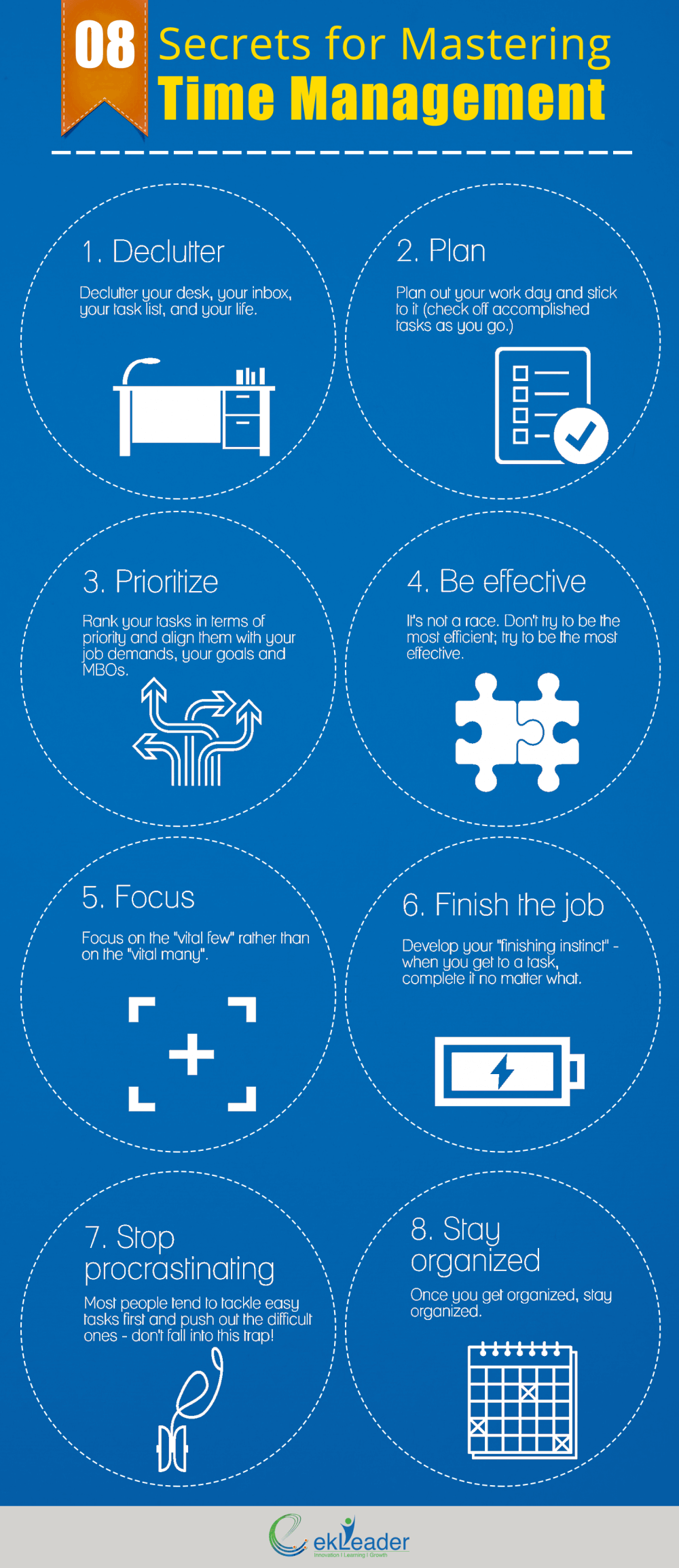
Mastering Time Management: Creating An Effective Study Schedule
Introduction:
Effective time management is crucial for academic success. A well-structured study schedule can help you allocate time, prioritize tasks, and maximize your productivity.
Steps to Create an Effective Study Schedule:

1. Determine Your Study Needs:

- Assess the amount of time you need to dedicate to each subject.
- Consider your learning style, strengths, and weaknesses.
- Break down large assignments into smaller, manageable chunks.
2. Set Realistic Goals:
- Establish specific, achievable study goals for each day or week.
- Avoid overcommitting and prioritize essential tasks.
- Set deadlines that are challenging but attainable.
3. Block Out Study Time:
- Dedicate specific time slots in your schedule for studying.
- Choose times when you are most productive and focused.
- Treat study time as non-negotiable appointments.
4. Prioritize Tasks:
- Use the Eisenhower Matrix to categorize tasks into urgent/important, urgent/unimportant, important/unurgent, and unimportant/unurgent.
- Focus on completing the urgent and important tasks first.
5. Eliminate Distractions:
- Identify and minimize potential distractions during study time.
- Create a dedicated study space that is free from noise, interruptions, and digital devices.
6. Use Technology to Your Advantage:
- Utilize study apps, calendars, and reminders to keep track of your schedule.
- Explore online resources, videos, and simulations to enhance your learning.
7. Take Breaks:
- Schedule short breaks (10-15 minutes) every hour or two.
- Use breaks to rest your mind, refocus, and recharge.
8. Evaluate and Adjust Regularly:
- Monitor your progress and adjust your schedule as needed.
- Identify areas where you can improve efficiency or reduce distractions.
- Be flexible and make changes to optimize your study time.
Tips for Success:
- Start early and stay consistent.
- Find an accountability partner or study group.
- Reward yourself for accomplishments.
- Avoid procrastination and distractions.
- Take care of your physical and mental health.
Conclusion:
By following these steps and incorporating these tips, you can create an effective study schedule that will help you maximize your academic success. Remember, time management is an ongoing process that requires constant evaluation and adjustment. With dedication and effort, you can master time management and achieve your academic goals.## Mastering Time Management: Creating An Effective Study Schedule
Executive Summary
Time management is crucial for academic success. This article provides a comprehensive guide to creating an effective study schedule that maximizes productivity and minimizes stress. By following the principles outlined in this article, students can optimize their learning experience and achieve their academic goals.
Introduction
In the fast-paced world of academia, students are constantly juggling multiple responsibilities, making effective time management an essential skill. A well-structured study schedule can help students prioritize tasks, allocate time wisely, and maintain a healthy balance between studies and personal life. This article will delve into the key components of an effective study schedule, providing practical tips and strategies to help students create a plan that works for them.
FAQs
Q: What is the best way to create a study schedule?
A: Consider individual learning styles, course requirements, and personal commitments when creating a study schedule.
Q: How often should a study schedule be adjusted?
A: Regularly review and adjust the study schedule to ensure it remains effective and in sync with changing needs.
Q: Is it necessary to stick to the study schedule strictly?
A: While consistency is important, it’s okay to make occasional adjustments to accommodate unforeseen circumstances.
Top 5 Subtopics
1. Prioritize Tasks
- Identify essential tasks and assign them the highest priority.
- Use a to-do list or planner to keep track of important assignments and deadlines.
- Delegate or eliminate non-essential tasks to free up time for more critical activities.
2. Allocate Time Wisely
- Determine how much time to allocate for each subject based on difficulty and workload.
- Schedule study sessions in advance to avoid procrastination and ensure consistency.
- Break down large tasks into smaller, manageable chunks to make them less daunting.
3. Create a Realistic Schedule
- Consider personal commitments and interests when creating a study schedule.
- Avoid overcommitting and ensure there is sufficient time for breaks and personal activities.
- Flex the schedule as needed to accommodate unexpected events or changes in workload.
4. Use Time Management Techniques
- Experiment with time management techniques such as the Pomodoro Technique or the Eisenhower Matrix.
- Minimize distractions during study sessions by eliminating noise and focusing on one task at a time.
- Take regular breaks to improve focus and prevent burnout.
5. Evaluate and Adjust
- Regularly assess the effectiveness of the study schedule and make adjustments as needed.
- Identify areas where the schedule is working well and areas that require improvement.
- Seek feedback from teachers or mentors to identify potential blind spots or areas for optimization.
Conclusion
Creating an effective study schedule is a skill that can significantly enhance academic performance and reduce stress. By following the principles outlined in this article, students can establish a structured plan that prioritizes tasks, allocates time wisely, and promotes a healthy balance between studies and personal life. Regular evaluation and adjustment ensure that the schedule remains tailored to individual needs and helps students achieve their academic goals.
Keyword Tags
- Time Management
- Study Schedule
- Prioritize Tasks
- Allocate Time
- Time Management Techniques
- Create a Realistic Schedule
- Evaluate and Adjust
- Academic Success