Harnessing The Potential Of Intelligent Tutoring Systems For 21st-century Learning
Executive Summary
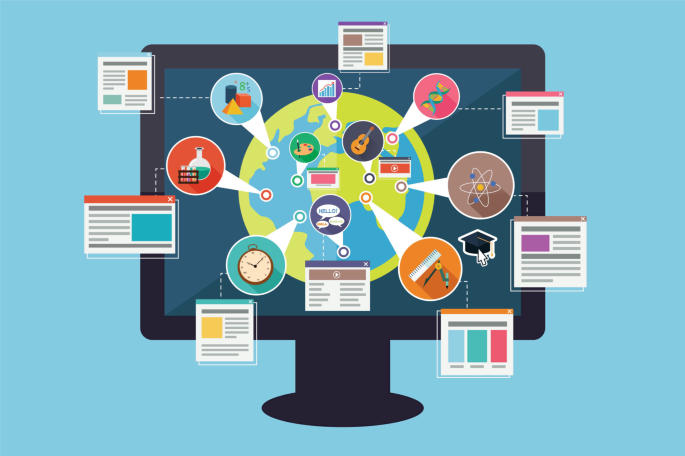
Intelligent Tutoring Systems (ITSs) are computer-based learning environments that provide personalized instruction and feedback to students. They have the potential to revolutionize education by making learning more effective, efficient, and engaging.

Introduction
In the 21st century, education is facing unprecedented challenges. Students are more diverse than ever before, and they come to school with a wide range of learning needs. Traditional teaching methods are often not able to meet the needs of all students, and this is leading to a widening achievement gap. Intelligent tutoring systems (ITSs) offer a promising solution to these challenges.
FAQs
What is an ITS?
An ITS is a computer-based learning environment that provides personalized instruction and feedback to students. ITSs use artificial intelligence (AI) to track student progress and identify areas where they need additional support. They can then provide targeted instruction and feedback to help students overcome their learning challenges.
How do ITSs work?
ITSs work by using a variety of AI techniques, including natural language processing, machine learning, and expert systems. These techniques allow ITSs to:
- Track student progress: ITSs track student progress through a variety of methods, including quizzes, assignments, and simulations. This data is used to identify areas where students need additional support.
- Provide personalized instruction: ITSs can provide personalized instruction based on each student’s individual needs. This instruction can take the form of tutorials, exercises, or simulations.
- Offer feedback: ITSs provide feedback to students on their work. This feedback can help students identify their mistakes and improve their learning.
What are the benefits of using ITSs?
There are many benefits to using ITSs, including:
- Improved student learning: ITSs have been shown to improve student learning outcomes in a variety of subjects, including math, science, and reading.
- Increased student engagement: ITSs can make learning more engaging for students by providing them with interactive activities and simulations.
- Reduced teacher workload: ITSs can reduce teacher workload by automating many tasks, such as grading and providing feedback.
Subtopics
The History of ITSs
ITSs have been in development for over 50 years. The first ITS was developed in the 1960s by Seymour Papert and his colleagues at the Massachusetts Institute of Technology (MIT). This system, called LOGO, was a programming language that allowed students to create their own computer programs.
In the 1970s and 1980s, ITSs were further developed by researchers at Carnegie Mellon University and the University of Illinois. These systems were used to teach a variety of subjects, including mathematics, science, and reading. By the 1990s, ITSs began to be used in classrooms around the world.
The Benefits of ITSs
ITSs offer a number of benefits over traditional teaching methods, including:
- Personalized Learning: ITSs can track each student’s progress and provide them with personalized instruction and feedback. This is especially beneficial for students who need additional support or who learn at a different pace than their peers.
- Increased Engagement: ITSs can make learning more engaging for students by providing them with interactive activities, simulations, and games. This can help to motivate students and keep them interested in learning.
- Reduced Teacher Workload: ITSs can reduce teacher workload by automating many tasks, such as grading and providing feedback. This frees up teachers to spend more time on other tasks, such as planning lessons and providing support to students.
The Challenges of ITSs
There are also some challenges to using ITSs, including:
- Cost: ITSs can be expensive to develop and implement. This is a major barrier for many schools and districts.
- Scalability: ITSs can be difficult to scale up to large numbers of students. This is because they require a significant amount of computing power and storage space.
- Teacher Training: Teachers need to be trained on how to use ITSs effectively. This is important to ensure that students are getting the most out of these systems.
The Future of ITSs
ITSs are still under development, but they have the potential to revolutionize education. As they become more affordable and scalable, they will be used in more and more classrooms around the world.
Conclusion
Intelligent Tutoring Systems have the potential to transform education by making learning more effective, efficient, and engaging. As they continue to develop and improve, they will play an increasingly important role in the education of our children.
Keywords
- Intelligent Tutoring Systems
- Personalized Learning
- Educational Technology
- Artificial Intelligence
- 21st-century Learning