Impact of Sleep Deprivation on Time Management
Sleep deprivation adversely affects time management skills, leading to:
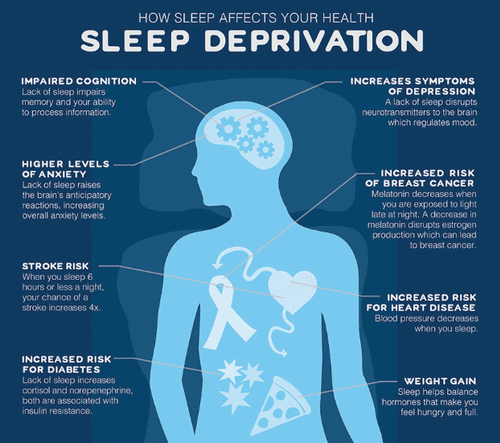
- Impaired Cognitive Function: Sleep deprivation impairs attention, memory, and decision-making, making it difficult to allocate time effectively.
- Reduced Executive Function: Lack of sleep reduces executive function abilities, such as planning, organizing, and prioritizing tasks.
- Diminished Motivation: Sleep deprivation causes fatigue and a lack of motivation, which can make it difficult to initiate and sustain tasks.
- Increased Procrastination: Sleep-deprived individuals tend to procrastinate as they struggle to focus and make decisions.
- Reduced Productivity: Cognitive impairment and lack of motivation impact productivity, leading to delayed or incomplete tasks and missed deadlines.
Consequences of Poor Time Management
Inefficient time management due to sleep deprivation can have far-reaching consequences:
- Stress and Anxiety: Procrastination and missed deadlines can lead to stress and anxiety.
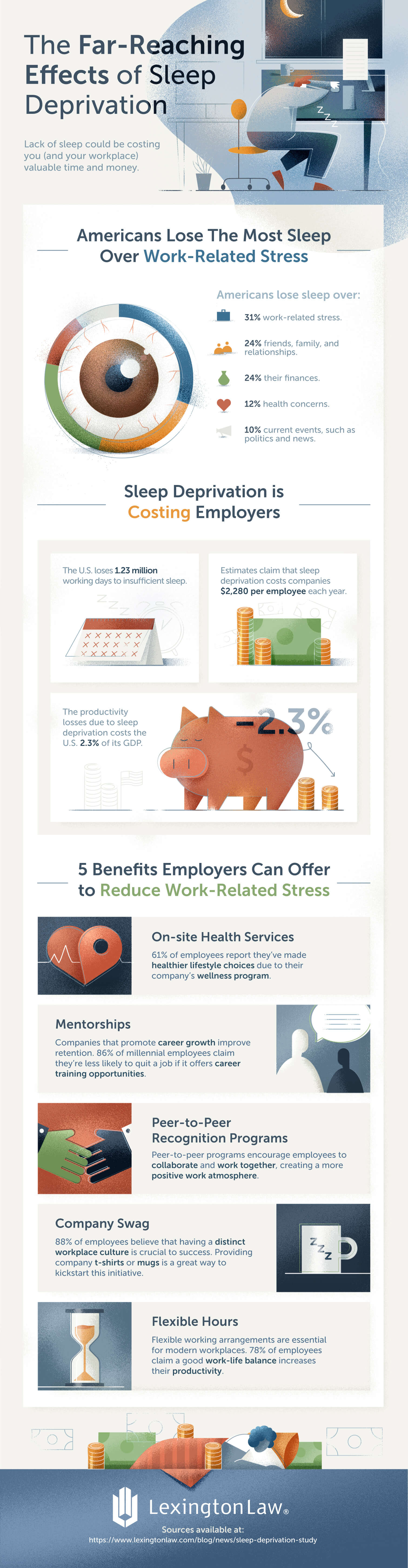
- Reduced Job Performance: Poor time management can hinder professional performance, leading to missed opportunities, negative reviews, and potential job loss.
- Academic Difficulties: Students who lack sleep struggle to manage assignments, study effectively, and achieve academic success.
- Social and Personal Issues: Sleep deprivation can impair social interactions and strain relationships.
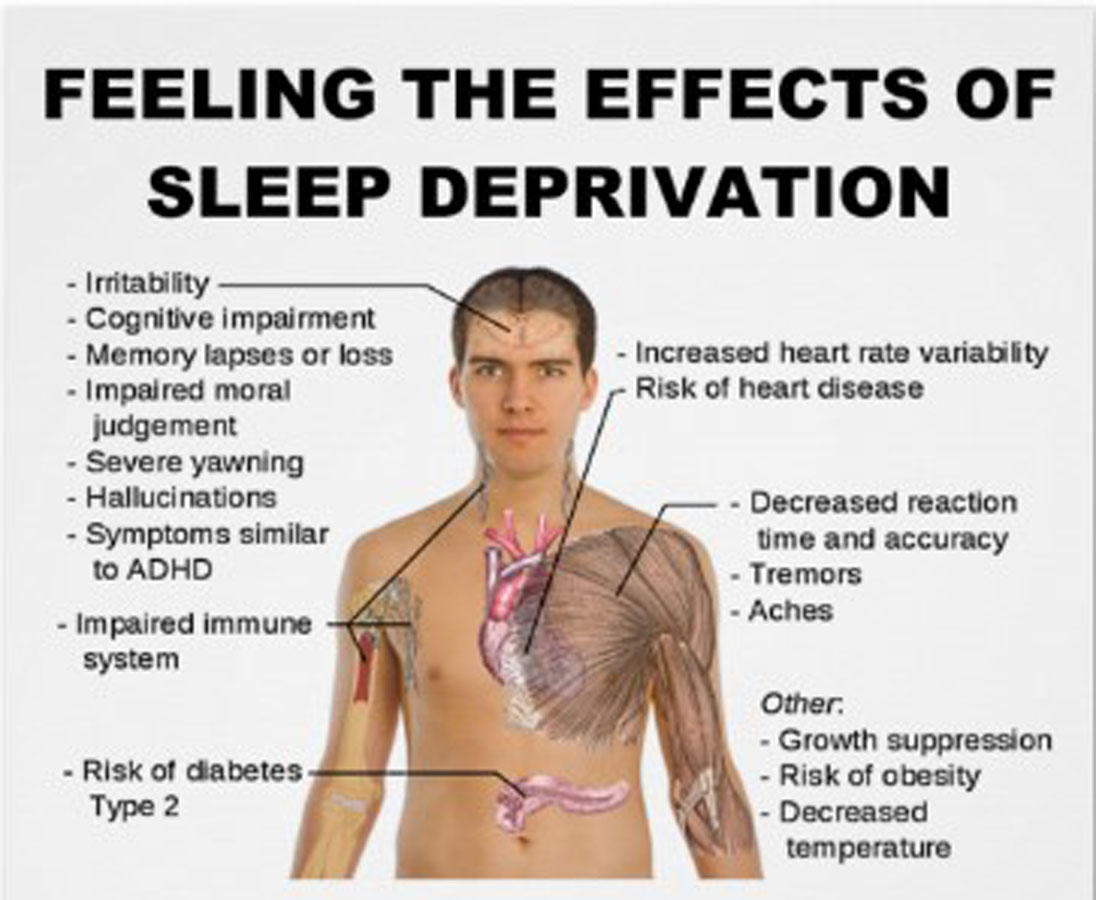
- Health Risks: Prolonged sleep deprivation can lead to health issues such as cardiovascular disease, diabetes, and weight gain.
Strategies to Mitigate the Impact
To mitigate the impact of sleep deprivation on time management, it is crucial to:
- Prioritize Sleep: Establish regular sleep-wake patterns and aim for 7-9 hours of quality sleep each night.
- Optimize Sleep Environment: Create a conducive sleep environment with a dark, quiet, and cool bedroom.
- Avoid Stimulants: Limit caffeine and alcohol intake before bed, as they can interfere with sleep.
- Establish a Bedtime Routine: Engage in relaxing activities before bed, such as taking a warm bath or reading.
- Seek Professional Help: If persistent sleep problems arise, consult a healthcare professional to rule out any underlying medical conditions.
- Use Time Management Tools: Utilize calendars, task lists, and reminders to stay organized and prioritize tasks.
- Delegate and Ask for Help: When possible, delegate tasks to others or ask for assistance to reduce workload and manage time effectively.
- Take Breaks: Regular breaks can help improve alertness and prevent burnout.
By addressing sleep deprivation and implementing effective time management strategies, individuals can significantly improve their productivity, minimize stress, and enhance their overall well-being.# Sleep Deprivation And Its Impact On Effective Time Management
Executive Summary
Sleep deprivation is a significant issue that affects many individuals, leading to various adverse impacts on one’s daily life. It not only impairs cognitive functions and physical well-being but also severely affects effective time management. This article will explore the profound impact of sleep deprivation on time management and delve into specific strategies to mitigate its negative consequences.
Introduction
Effective time management lies at the heart of personal and professional success. It enables individuals to prioritize tasks, optimize productivity, and achieve desired outcomes. However, sleep deprivation poses a significant barrier to effective time management, leading to a multitude of detrimental effects.
FAQs
1. What are the signs and symptoms of sleep deprivation?
- Excessive daytime sleepiness
- Difficulty concentrating
- Impaired memory
- Irritability and mood swings
- Reduced energy levels
2. How does sleep deprivation impact time management?
- Reduced cognitive function, leading to difficulty planning and prioritizing tasks
- Impaired decision-making, resulting in poor task selection
- Decreased focus and attention, affecting task execution efficiency
- Increased procrastination due to lack of motivation and drive
3. What are the consequences of poor time management due to sleep deprivation?
- Missed deadlines
- Incomplete or substandard work
- Increased stress and anxiety
- Reduced productivity and efficiency
- Negative impact on personal and professional relationships
Top 5 Subtopics
1. Cognitive Impairment:
- Reduced Attention Span: Sleep deprivation significantly diminishes the ability to sustain attention, leading to difficulty focusing on tasks.
- Impaired Working Memory: It affects the capacity to hold and manipulate information in short-term memory, hindering task planning and execution.
- Decision-Making Deficits: Deprived individuals struggle to make sound decisions due to reduced cognitive flexibility and impaired judgment.
- Diminished Creativity: Sleep deprivation stifles creativity and problem-solving abilities, essential for effective time management.
2. Emotional Dysregulation:
- Increased Irritability: Sleep deprivation elevates irritability and mood swings, affecting interactions and task collaboration.
- Reduced Motivation: It leads to decreased motivation and drive, reducing task initiation and follow-through.
- Emotional Exhaustion: Deprived individuals experience emotional exhaustion, making it difficult to cope with challenges and manage time effectively.
3. Physical Fatigue:
- Muscle Weakness: Sleep deprivation causes muscle weakness and fatigue, affecting physical tasks and reducing overall productivity.
- Reduced Energy Levels: It depletes energy levels, making it challenging to maintain sustained focus and effort throughout the day.
- Increased Risk of Accidents: Deprived individuals have a higher risk of accidents due to impaired coordination and reaction time.
4. Circadian Rhythm Disruption:
- Delayed Sleep-Wake Cycle: Sleep deprivation alters the body’s natural sleep-wake cycle, making it difficult to fall asleep and awaken at desired times.
- Reduced Sleep Quality: It leads to lighter and less restorative sleep, further exacerbating daytime impairment.
- Increased Nighttime Wakefulness: Deprived individuals experience increased nighttime wakefulness and fragmented sleep, reducing overall sleep duration and quality.
5. Health Consequences:
- Metabolic Disorders: Sleep deprivation has been linked to an increased risk of obesity, diabetes, and cardiovascular disease.
- Mental Health Problems: It can contribute to anxiety, depression, and other mental health issues.
- Weakened Immune System: Sleep deprivation impairs the immune system, making individuals more susceptible to infections and illnesses.
Conclusion
Sleep deprivation poses a significant threat to effective time management, hindering cognitive function, emotional well-being, physical performance, and overall health. By understanding the profound impact of sleep deprivation on time management, individuals can take proactive steps to mitigate its consequences. Prioritizing adequate sleep, practicing good sleep hygiene, and seeking professional help when necessary can empower individuals to reclaim control of their time management and optimize their daily lives.
Keyword Tags
- Sleep Deprivation
- Time Management
- Cognitive Impairment
- Emotional Dysregulation
- Physical Fatigue