
Holistic Approach to Productivity: Self-Care and Well-being for High Performers
Introduction:
In the relentless pursuit of productivity, high performers often overlook the critical importance of self-care and well-being. A holistic approach to productivity recognizes the interconnectedness between personal health and professional success.
Components of a Holistic Approach:
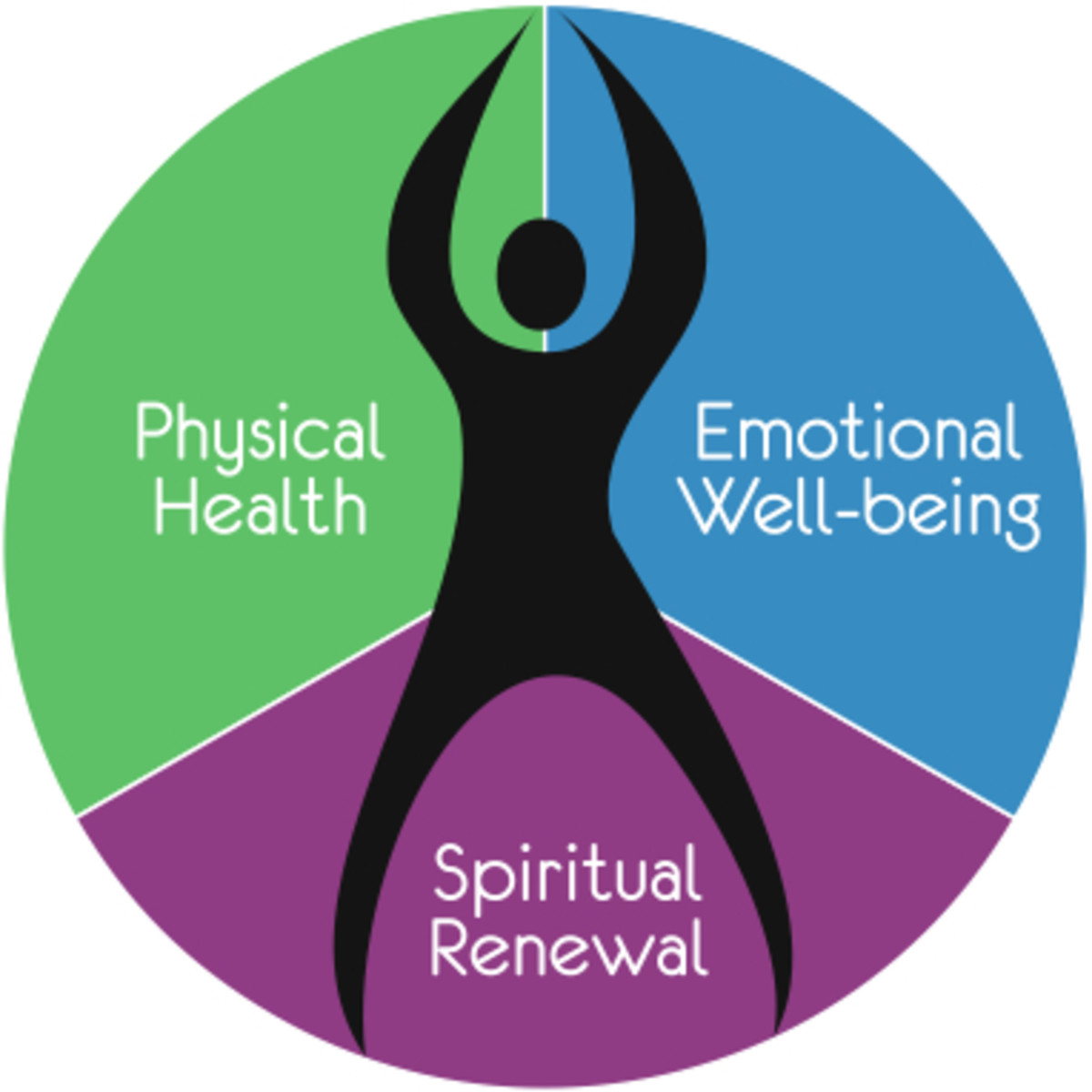
1. Physical Health:

- Prioritize regular exercise, sleep, and nutrition to maintain optimal energy levels and physical fitness.
- Engage in stress-reducing activities such as yoga, meditation, or tai chi.
2. Emotional Well-being:
- Practice mindfulness to regulate emotions, reduce stress, and enhance focus.
- Establish healthy boundaries to protect time and energy.
- Seek support from loved ones, therapists, or support groups when needed.
3. Cognitive Health:
- Engage in brain-stimulating activities such as reading, puzzles, or learning new skills.
- Practice techniques to improve memory, attention, and problem-solving abilities.
- Get regular eye exams and address any hearing issues.
4. Social Health:
- Nurture strong personal relationships with family, friends, and colleagues.
- Join social groups or community organizations to connect with others.
- Volunteer or contribute to causes that are meaningful to you.
5. Environmental Health:
- Create a supportive workspace that is organized, comfortable, and free from distractions.
- Pay attention to lighting, temperature, and air quality to optimize productivity.
- Take breaks and spend time in nature to recharge and reduce stress.
Benefits of a Holistic Approach:
- Enhanced Productivity: Self-care practices improve well-being, which in turn leads to increased focus, creativity, and productivity.
- Reduced Stress and Burnout: By addressing the interconnectedness between work and personal life, individuals can manage stress levels more effectively and prevent burnout.
- Improved Physical and Mental Health: Prioritizing self-care promotes overall health, reducing the risk of chronic diseases and improving cognitive function.
- Increased Motivation and Engagement: When individuals feel valued and supported, they are more motivated to excel and contribute to their organizations.
- Enhanced Longevity and Career Success: A holistic approach to productivity fosters long-term health and well-being, supporting sustained career success.
Conclusion:
Adopting a holistic approach to productivity recognizes that high performance is not solely dependent on relentless effort but also requires prioritizing self-care and overall well-being. By investing in their physical, emotional, cognitive, social, and environmental health, high performers can maximize productivity, reduce stress, and achieve long-term success.## Holistic Approach To Productivity: Self-care And Well-being For High Performers
Executive Summary
In today’s fast-paced world, productivity is often seen as the key to success. However, many people struggle to maintain a high level of productivity without sacrificing their health and well-being. This is where a holistic approach to productivity comes in. A holistic approach considers the whole person, including their physical, mental, and emotional health.
By taking care of all aspects of your life, you can create a foundation for sustained productivity and success. This article will explore the importance of self-care and well-being for high performers and provide practical tips on how to incorporate a holistic approach into your life.
Introduction
In our modern world, it’s easy to get caught up in the hustle and bustle of life and forget about our own well-being. We may think that working long hours and sacrificing our personal lives is the only way to achieve success. However, this is not the case. In fact, research has shown that people who prioritize their health and well-being are actually more productive and successful in the long run.
FAQ
1. What is a holistic approach to productivity?
A holistic approach to productivity considers the whole person, including their physical, mental, and emotional health. It recognizes that all aspects of our lives are interconnected and that we cannot be truly productive if we are not taking care of ourselves.
2. Why is self-care important for productivity?
Self-care is important for productivity because it helps us to reduce stress, improve our focus, and boost our energy levels. When we take care of ourselves, we are better able to handle the demands of our work and personal lives.
3. How can I incorporate a holistic approach into my life?
There are many ways to incorporate a holistic approach into your life. Some simple tips include:
- Getting enough sleep
- Eating a healthy diet
- Exercising regularly
- Taking breaks throughout the day
- Spending time with loved ones
- Pursuing hobbies and interests
- Practicing mindfulness and meditation
Top 5 Subtopics
1. Physical Health
Physical health is a fundamental aspect of a holistic approach to productivity. When we are physically healthy, we have more energy, we are less likely to get sick, and we can better handle stress.
- Get enough sleep. Sleep is essential for both physical and mental recovery. Aim for 7-8 hours of sleep each night.
- Eat a healthy diet. A healthy diet provides your body with the nutrients it needs to function properly. Focus on eating whole foods, fruits, and vegetables.
- Exercise regularly. Exercise helps to improve your cardiovascular health, strength, and flexibility. Aim for at least 30 minutes of exercise most days of the week.
2. Mental Health
Mental health is just as important as physical health. When we are mentally healthy, we are better able to focus, make decisions, and solve problems.
- Take breaks throughout the day. Taking breaks throughout the day can help to reduce stress and improve your focus. Get up and move around every 30 minutes or so, or take a few minutes to meditate or practice deep breathing.
- Spend time with loved ones. Spending time with loved ones can help to reduce stress and improve your mood. Make time for friends and family, and don’t be afraid to ask for help when you need it.
- Pursue hobbies and interests. Pursuing hobbies and interests can help to reduce stress and improve your overall well-being. Make time for activities that you enjoy, and don’t be afraid to try new things.
3. Emotional Health
Emotional health is often overlooked, but it is just as important as physical and mental health. When we are emotionally healthy, we are better able to manage our emotions, cope with stress, and build healthy relationships.
- Practice mindfulness and meditation. Mindfulness and meditation can help to reduce stress, improve your focus, and increase your self-awareness. Take a few minutes each day to practice mindfulness or meditation.
- Journaling. Journaling can be a great way to process your emotions and identify patterns in your behavior. Try writing in a journal each day, or whenever you are feeling stressed or overwhelmed.
- Talk to a therapist. If you are struggling with your emotional health, don’t be afraid to talk to a therapist. A therapist can help you to identify the root of your problems and develop coping mechanisms.
4. Spiritual Health
Spiritual health is about finding meaning and purpose in your life. When you have a strong sense of purpose, you are more likely to be motivated and productive.
- Spend time in nature. Spending time in nature can help to reduce stress and improve your overall well-being. Take a walk in the park, go for a hike, or simply sit in your backyard and enjoy the fresh air.
- Meditate and pray. Meditation and prayer can help you to connect with your inner self and find meaning in your life. Take a few minutes each day to meditate or pray.
- Volunteer. Volunteering can be a great way to give back to your community and make a difference in the world. Find a cause that you care about and volunteer your time.
5. Financial Health
Financial health is an important part of a holistic approach to productivity. When you are financially healthy, you are less likely to be stressed and more able to focus on your goals.
- Create a budget. A budget can help you to track your income and expenses and make sure that you are living within your means.
- Save for the future. Saving for the future can help you to reduce stress and achieve your financial goals. Start saving early and make a plan for your retirement.
- Get help if you need it. If you are struggling with your financial health, don’t be afraid to get help. There are many resources available to help you manage your money and get back on track.
Conclusion
A holistic approach to productivity is essential for long-term success and well-being. By taking care of all aspects of your life, you can create a foundation for sustained productivity and happiness.
Keyword Tags
- Holistic productivity
- Self-care
- Well-being
- High performers
- Personal development