1. Clearer Focus and Direction:
Prioritizing tasks gives you a roadmap for your day, allowing you to focus your energy and attention on the most important activities. This helps reduce the feeling of being overwhelmed and allows you to work more efficiently.
2. Reduced Cognitive Load:
When you prioritize tasks, you reduce the cognitive load on your brain. By deciding which tasks to focus on first, you free up mental space to think more clearly and make better decisions.
3. Reduced Overwhelm and Anxiety:
Prioritizing tasks can help reduce feelings of overwhelm and anxiety by providing a sense of structure and control. Knowing what needs to be done and when can alleviate the stress associated with not knowing where to start.
4. Improved Time Management:
By prioritizing tasks, you can allocate your time more effectively. You can avoid spending too much time on less important tasks and focus on those that will have the greatest impact. This improves your time management skills and reduces the risk of overcommitting.
5. Enhanced Productivity:
Prioritizing tasks helps you stay on track and avoid distractions. By focusing on the most important activities, you can complete them more quickly and efficiently, which increases your productivity.
6. Increased Sense of Accomplishment:
Completing prioritized tasks gives you a sense of accomplishment and boosts your self-esteem. This can reduce stress and increase your motivation to tackle future tasks.
Steps for Prioritizing Tasks:
- Identify the Most Important Tasks: Consider which tasks have the highest potential impact on your goals and those that are most urgent.
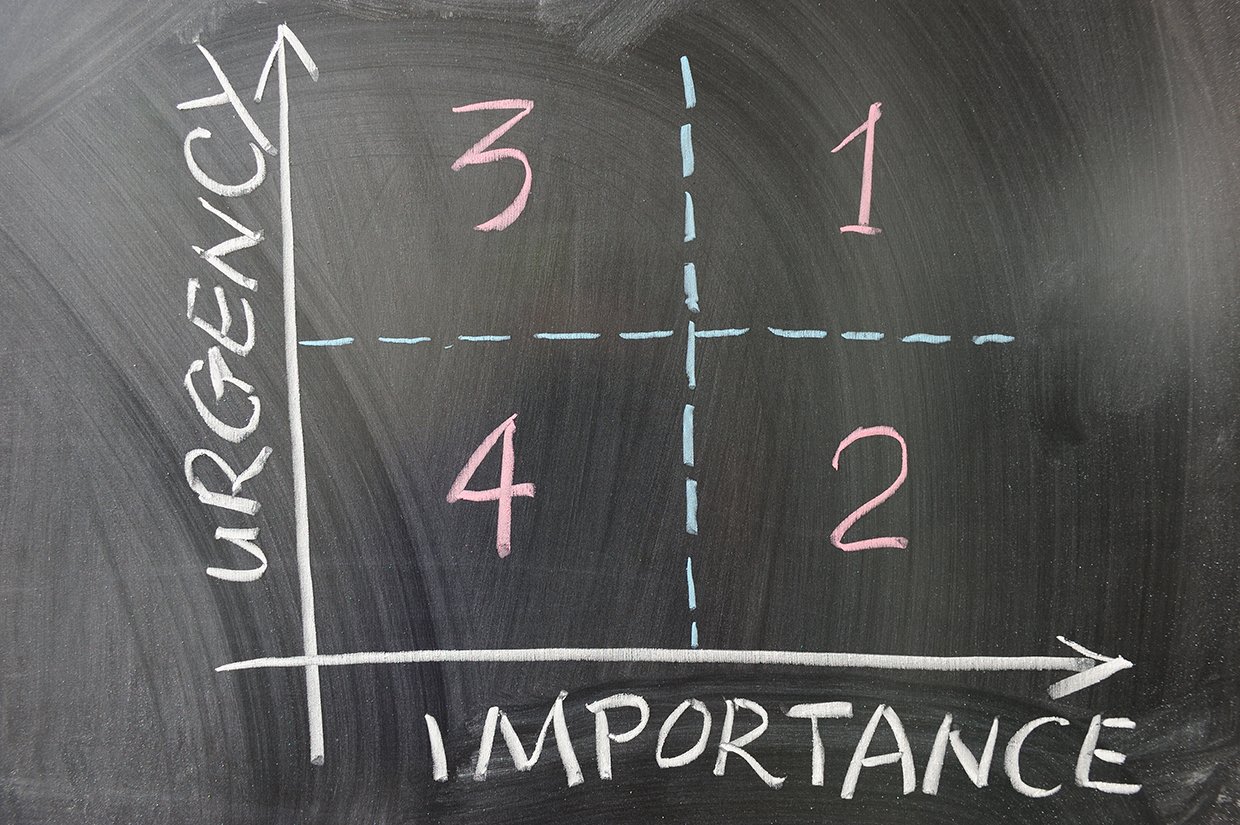
- Use the Eisenhower Matrix: Divide tasks into four categories: Urgent and Important, Not Urgent but Important, Urgent but Not Important, and Not Urgent and Not Important.
- Set Time Limits: Allocate specific time slots for each task to ensure you focus on the most important ones.
- Break Down Large Tasks: If a task is overwhelming, break it down into smaller, more manageable steps.
- Delegate: If possible, delegate tasks to others to free up your time for higher-priority activities.
- Review and Adjust: Regularly review your task list and adjust priorities as needed to ensure you are focusing on the most critical tasks.## How Prioritizing Tasks Can Help Reduce Stress
Executive Summary

Prioritizing tasks is a crucial skill for managing workload effectively and reducing stress levels. By identifying and tackling the most important tasks first, individuals can gain a sense of accomplishment, alleviate anxiety, and improve overall well-being. This article explores the benefits of prioritizing tasks, its potential impact on stress reduction, and practical strategies for effective prioritization.
Introduction
In the fast-paced world we live in, it’s easy to feel overwhelmed by the constant influx of tasks and responsibilities. When individuals fail to prioritize their tasks effectively, they may experience stress, anxiety, and burnout. Prioritizing tasks allows individuals to allocate their time and energy wisely, ensuring that the most important tasks are completed first. By gaining control over their workload, they can significantly reduce stress levels and improve their productivity.
FAQ
Q: How do I prioritize my tasks?
A: There are several effective task prioritization methods, including the Eisenhower Matrix, ABCDE Method, and MoSCoW Method. Choose a method that aligns with your specific needs and preferences.
Q: What are the benefits of prioritizing tasks?
A: Prioritizing tasks can improve productivity, reduce stress, alleviate anxiety, and enhance overall well-being.
Q: How can I stay motivated to prioritize my tasks?
A: Break down large tasks into smaller, manageable steps. Set realistic deadlines and reward yourself for completing important tasks.
Top 5 Subtopics
1. Eisenhower Matrix
The Eisenhower Matrix is a task prioritization tool that categorizes tasks based on their urgency and importance. Tasks are classified into four quadrants:
- Quadrant 1: Urgent and important tasks (do first)
- Quadrant 2: Non-urgent but important tasks (schedule)
- Quadrant 3: Urgent but non-important tasks (delegate or defer)
- Quadrant 4: Non-urgent and non-important tasks (eliminate)
2. ABCDE Method
The ABCDE Method is a simpler task prioritization method that assigns each task a letter value from A to E based on its importance:
- A: Most important tasks (do immediately)
- B: Important tasks (do next)
- C: Somewhat important tasks (schedule for later)
- D: Less important tasks (delegate or defer)
- E: Unimportant tasks (eliminate)
3. MoSCoW Method
The MoSCoW Method is a task prioritization technique used in project management:
- Must Have: Essential tasks that must be completed to achieve the project’s objectives
- Should Have: Important tasks that are desirable but not essential
- Could Have: Tasks that would be beneficial but are not necessary
- Won’t Have: Tasks that are not feasible or necessary for the project
4. Time Blocking
Time blocking is a task prioritization strategy that involves allocating specific blocks of time to different tasks. By scheduling tasks in advance, individuals can ensure that the most important tasks are completed during the most productive times of the day.
5. SMART Goals
Setting SMART (Specific, Measurable, Achievable, Relevant, Time-Bound) goals is essential for effective task prioritization. When goals are well-defined and realistic, individuals can prioritize tasks that directly contribute to their achievement.
Conclusion
Prioritizing tasks is an essential skill for reducing stress and enhancing overall well-being. By adopting effective task prioritization strategies, individuals can allocate their time and energy wisely, gain a sense of accomplishment, alleviate anxiety, and improve their productivity. By following the strategies outlined in this article, individuals can learn to take control of their workload and make the most of their time.
Keyword Tags
- Task prioritization
- Stress reduction
- Time management
- Eisenhower Matrix
- SMART goals