Project Management and Task Prioritization: A Synergy for Success
Effective project management hinges on the strategic prioritization of tasks. By aligning tasks with organizational objectives and allocating resources judiciously, project managers can elevate performance and achieve optimal outcomes. This essay will delve into the symbiotic relationship between project management and task prioritization, unraveling their transformative impact on project success.
Understanding Task Prioritization
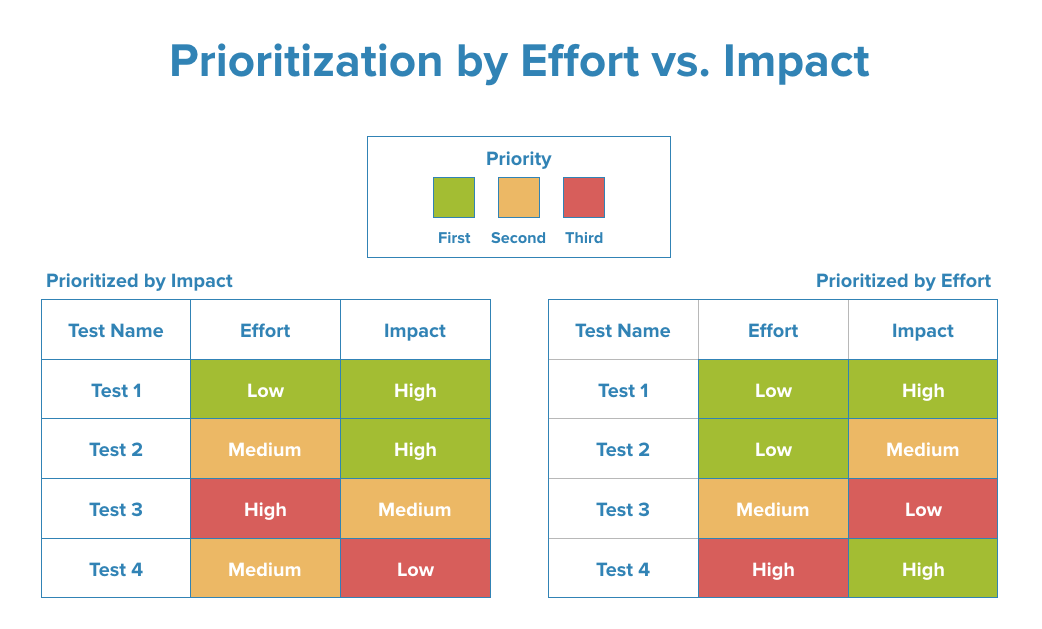
Task prioritization involves assigning a level of importance to each task within a project, ensuring that the most critical activities are addressed first. This process requires a thorough understanding of project goals, dependencies, and constraints. Effective prioritization techniques include:
- MoSCoW Method: Classifying tasks as Must Have, Should Have, Could Have, and Won’t Have based on their criticality and feasibility.
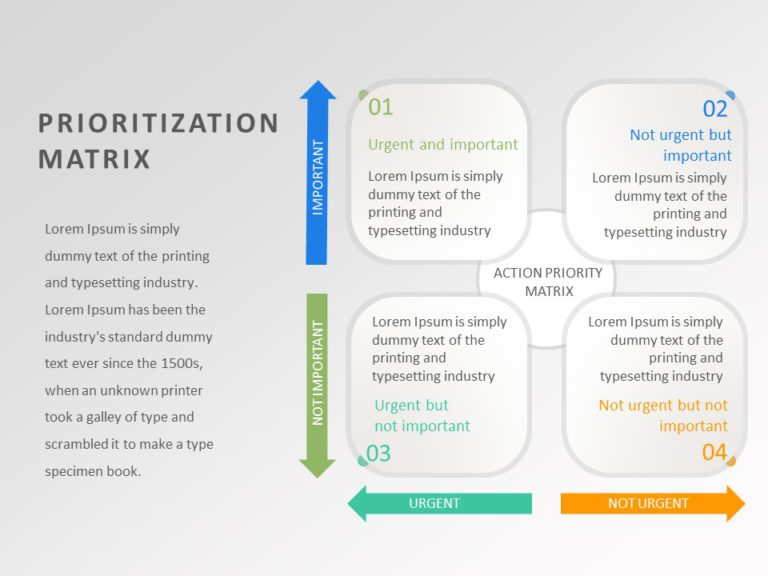
- Eisenhower Matrix: Categorizing tasks based on urgency and importance, focusing on completing the most urgent and important tasks first.
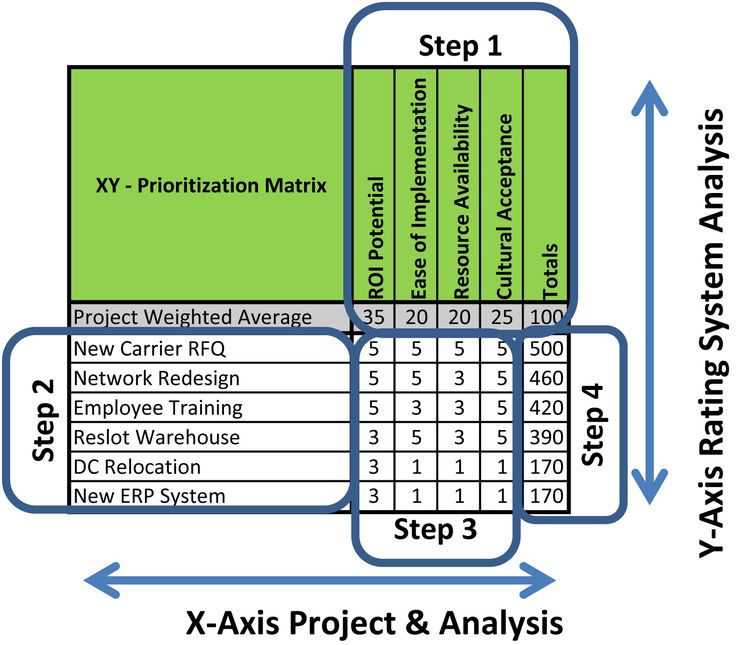
- Weighted Scoring: Assigning numerical values to tasks based on multiple criteria, such as impact, effort, and dependencies.
Benefits of Task Prioritization for Project Management
Task prioritization offers numerous advantages for project managers:
- Improved Scope Management: Prioritizing tasks helps identify and scope out essential project elements, reducing the risk of feature creep and budget overruns.
- Efficient Resource Allocation: By allocating resources to high-priority tasks, project managers can optimize performance and avoid bottlenecks.
- Risk Mitigation: Focusing on high-impact tasks first allows project managers to identify and address potential risks early on, minimizing disruptions and delays.
- Stakeholder Satisfaction: Prioritizing tasks aligned with stakeholder requirements ensures that the project delivers the most critical features and functionality, boosting stakeholder engagement and satisfaction.
Integration of Project Management and Task Prioritization
Integrating project management with task prioritization is crucial for successful project execution. Project managers should:
- Establish Clear Objectives: Define the project’s goals and objectives to guide task prioritization efforts.
- Create a Work Breakdown Structure (WBS): Decompose the project into manageable tasks and identify their dependencies.
- Apply Prioritization Techniques: Employ one or more prioritization methods to assign importance levels to tasks within the WBS.
- Monitor and Adjust: Regularly review task progress and adjust priorities as necessary to optimize resource allocation and ensure timely completion.
Conclusion
Project management and task prioritization are integral components of effective project execution. By understanding and applying task prioritization techniques, project managers can strategically allocate resources, mitigate risks, and deliver projects that meet stakeholder expectations. The synergy between these disciplines enables project managers to optimize performance, achieve successful outcomes, and consistently produce exceptional results.## Project Management And Task Prioritization: A Winning Combination
Executive Summary
Project management and task prioritization are two essential components of any successful project. By effectively managing projects and prioritizing tasks, you can ensure that your team is working on the most important tasks at the right time. This can lead to improved productivity, better communication, and ultimately, project success.
Introduction
In today’s fast-paced business environment, it’s more important than ever to be able to effectively manage projects and prioritize tasks. With so many competing demands for our time and attention, it can be difficult to know where to start. However, by following a few simple principles, you can improve your project management and task prioritization skills and achieve greater success.
3 FAQs
- What is project management?
- What is task prioritization?
- How can I improve my project management and task prioritization skills?
Top 5 Subtopics
1. Defining Project Scope
- Identify project goals and objectives: Clearly define what the project is trying to achieve.
- Determine project scope: Establish the boundaries of the project, including what is included and what is not.
- Create a work breakdown structure (WBS): Break down the project into smaller, more manageable tasks.
- Develop a project schedule: Establish a timeline for completing the project, including deadlines for each task.
2. Prioritizing Tasks
- Use the Eisenhower Matrix: Categorize tasks based on urgency and importance.
- Apply the MoSCoW method: Prioritize tasks as “must have,” “should have,” “could have,” or “won’t have.”
- Consider dependencies: Identify tasks that are dependent on other tasks and prioritize them accordingly.
- Use a task management tool: Utilize software or apps to help you track and prioritize tasks.
3. Managing Project Resources
- Identify project resources: Determine the people, materials, and equipment needed to complete the project.
- Allocate resources effectively: Assign resources to tasks based on their availability and expertise.
- Monitor resource usage: Track the progress of resources and make adjustments as needed.
- Manage stakeholder expectations: Communicate with stakeholders to keep them informed about project progress and resource allocation.
4. Communicating Effectively
- Establish clear communication channels: Determine how project information will be shared and updated.
- Hold regular team meetings: Facilitate discussions about project progress and challenges.
- Use project management software: Utilize tools to facilitate communication and document project updates.
- Foster open communication: Encourage team members to share ideas and concerns.
5. Managing Risk
- Identify potential risks: Determine potential threats to the project and their likelihood of occurrence.
- Assess risk impact: Evaluate the potential impact of risks on project goals and objectives.
- Develop risk mitigation strategies: Plan actions to reduce or eliminate the impact of risks.
- Monitor risks regularly: Track the status of risks and make adjustments to mitigation strategies as needed.
Conclusion
By effectively managing projects and prioritizing tasks, you can improve your productivity, communication, and ultimately, project success. By following the principles outlined in this article, you can develop the skills and knowledge needed to become a successful project manager.
Keyword Tags
- Project Management
- Task Prioritization
- Project Scope
- Prioritizing Tasks
- Managing Project Resources
- Communicating Effectively
- Managing Risk