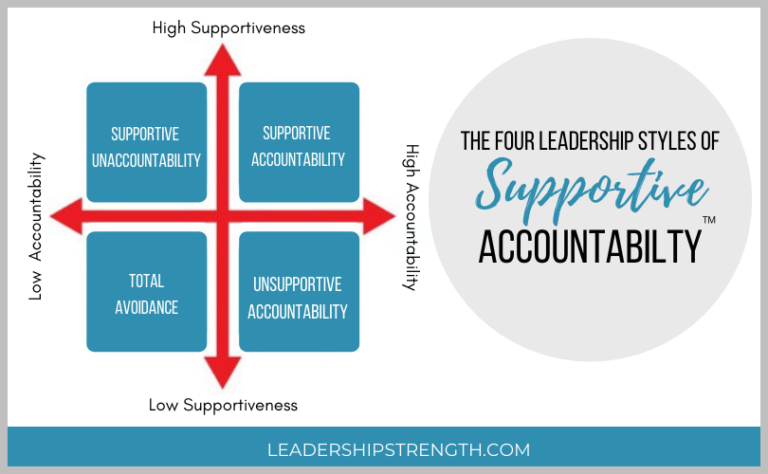
How to Be a Supportive and Effective Accountability Partner
1. Establish Clear Goals and Expectations:

- Work with your partner to define specific goals and objectives.
- Set realistic and achievable targets together.
- Establish clear deadlines and milestones.
2. Provide Regular Check-ins:
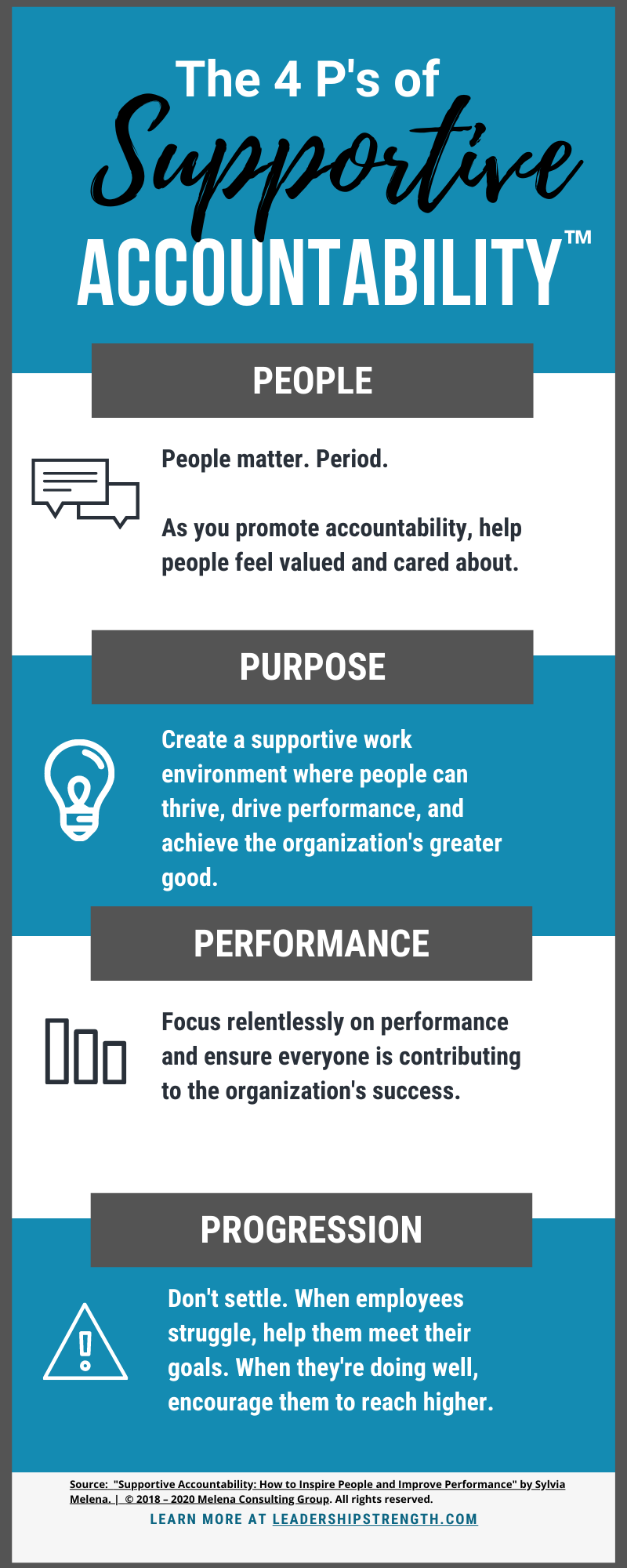
- Schedule regular meetings or calls to discuss progress and provide support.
- Use a consistent check-in format to track goals, obstacles, and wins.
- Create a sense of accountability by reminding each other of commitments.
3. Offer Encouragement and Motivation:
- Be a positive and supportive influence.
- Celebrate successes and recognize efforts.
- Encourage your partner when they face challenges or setbacks.
4. Provide Constructive Feedback:
- Offer objective feedback on progress and areas for improvement.
- Focus on specific behaviors and provide suggestions rather than criticism.
- Encourage vulnerability and open communication.
5. Hold Each Other Accountable:
- Remind each other of commitments and deadlines.
- Challenge excuses and hold each other to their goals.
- Provide consequences for missed targets to maintain motivation.
6. Respect Boundaries:
- Understand that accountability should not turn into micromanagement.
- Allow your partner space to work independently.
- Respect their decisions and choices, even if you don’t agree.
7. Be Patient and Persistent:
- Building accountability takes time and effort.
- Be patient with your partner and yourself.
- Celebrate progress along the way, regardless of pace.
8. Be Flexible and Adaptable:
- Recognize that life circumstances can change.
- Be willing to adjust goals and expectations as needed.
- Explore alternative accountability strategies if traditional methods aren’t working.
9. Maintain Confidentiality:
- Keep all shared information confidential.
- Respect your partner’s privacy and trust.
- Create a safe space for open and honest communication.
10. Evaluate and Improve:
- Regularly assess the effectiveness of your accountability partnership.
- Seek feedback from your partner and make adjustments as needed.
- Be open to new ideas and strategies to enhance accountability.## How To Be A Supportive And Effective Accountability Partner
Executive Summary
An accountability partner can be a valuable asset in achieving your goals. They can provide support, motivation, and feedback to help you stay on track. However, it’s important to find the right accountability partner and to build a strong relationship with them.
Introduction
Accountability partners can be a great way to stay motivated and on track with your goals. They can provide support, encouragement, and feedback to help you achieve your desired outcomes. However, it’s important to find the right accountability partner and to build a strong relationship with them.
FAQs
What is an accountability partner?
An accountability partner is someone who you can share your goals with and who will help you stay motivated and on track. They can provide support, encouragement, and feedback to help you achieve your desired outcomes.
How do I find an accountability partner?
You can find an accountability partner through friends, family, colleagues, or online communities. It’s important to find someone who you trust, who has similar goals to you, and who is willing to commit to the partnership.
What are the benefits of having an accountability partner?
There are many benefits to having an accountability partner, including:
- Increased motivation and commitment
- Improved focus and productivity
- Enhanced self-awareness and accountability
- Increased likelihood of achieving your goals
Top 5 Subtopics
1. Setting Clear Goals
The first step to being an effective accountability partner is to set clear goals. What do you want to achieve? What are your specific objectives? Once you have a clear understanding of your goals, you can start to develop a plan to achieve them.
- Identify your goals: What do you want to achieve with your accountability partner?
- Set specific and measurable goals: Make sure your goals are clear and concise.
- Create a timeline: Establish a timeframe for achieving your goals.
- Develop a plan: Outline the steps you need to take to achieve your goals.
2. Establishing Communication Guidelines
Once you have set clear goals, it’s important to establish communication guidelines with your accountability partner. How often will you communicate? What methods of communication will you use? Setting clear expectations will help to ensure that you both stay on track and avoid misunderstandings.
- Determine the frequency of communication: How often will you check in with each other?
- Choose communication methods: Decide whether you will communicate via phone, email, text, or video chat.
- Establish a time for check-ins: Set a specific time each day or week to check in with each other.
- Create a communication plan: Outline the topics that you will discuss during your check-ins.
3. Providing Support and Encouragement
Your accountability partner should be someone who is supportive and encouraging. They should be there to offer a listening ear and to help you stay motivated. It’s important to be there for your accountability partner when they need you, and to provide positive reinforcement when they achieve their goals.
- Be supportive: Offer encouragement and praise when your accountability partner makes progress.
- Be empathetic: Understand the challenges that your accountability partner is facing.
- Be non-judgmental: Avoid making judgments about your accountability partner’s choices.
- Celebrate successes: Acknowledge and celebrate your accountability partner’s achievements.
4. Giving Feedback
Feedback is an important part of any accountability partnership. It allows you to identify areas where you can improve and to make necessary adjustments. It’s important to give feedback in a constructive and supportive way, and to be open to receiving feedback from your accountability partner.
- Provide constructive criticism: Offer specific suggestions for improvement.
- Be specific: Provide concrete examples to illustrate your points.
- Be respectful: Avoid being judgmental or accusatory.
- Be open to feedback: Welcome feedback from your accountability partner.
5. Handling Challenges
Inevitably, you will face challenges as you work towards your goals. It’s important to have a plan in place for dealing with these challenges. Your accountability partner can be a valuable resource in helping you to overcome obstacles and stay on track.
- Identify potential challenges: Anticipate the challenges that you may face.
- Develop a plan for overcoming challenges: Outline the steps you will take to overcome challenges.
- Seek support from your accountability partner: Talk to your accountability partner about the challenges you are facing.
- Stay positive: Maintain a positive attitude even when faced with challenges.
Conclusion
An accountability partner can be a valuable asset in achieving your goals. They can provide support, motivation, and feedback to help you stay on track. However, it’s important to find the right accountability partner and to build a strong relationship with them. By following the tips in this article, you can create a successful accountability partnership that will help you achieve your desired outcomes.
Keyword Tags
- Accountability partner
- Support
- Motivation
- Feedback
- Goals