
Incorporating Breaks into Study Sessions for Enhanced Memory Retention
The Power of Spaced Repetition:
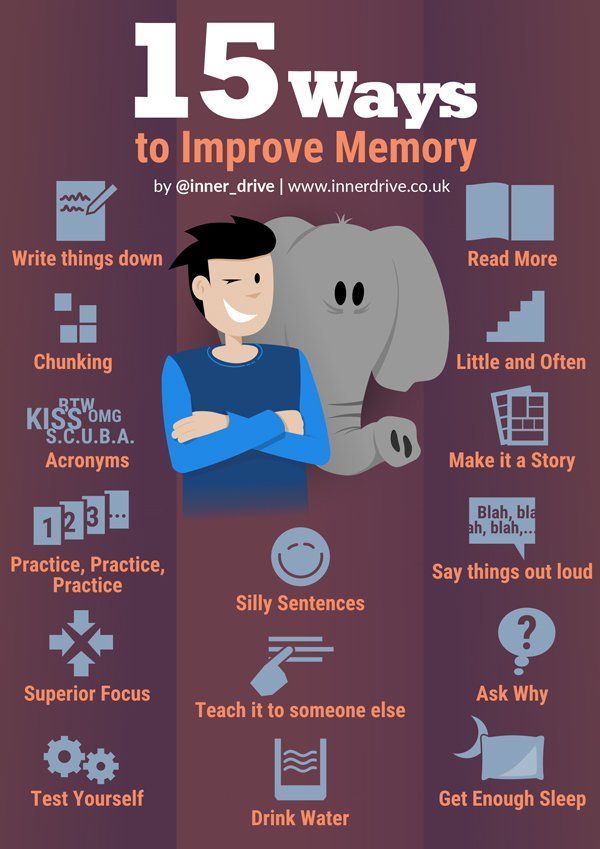
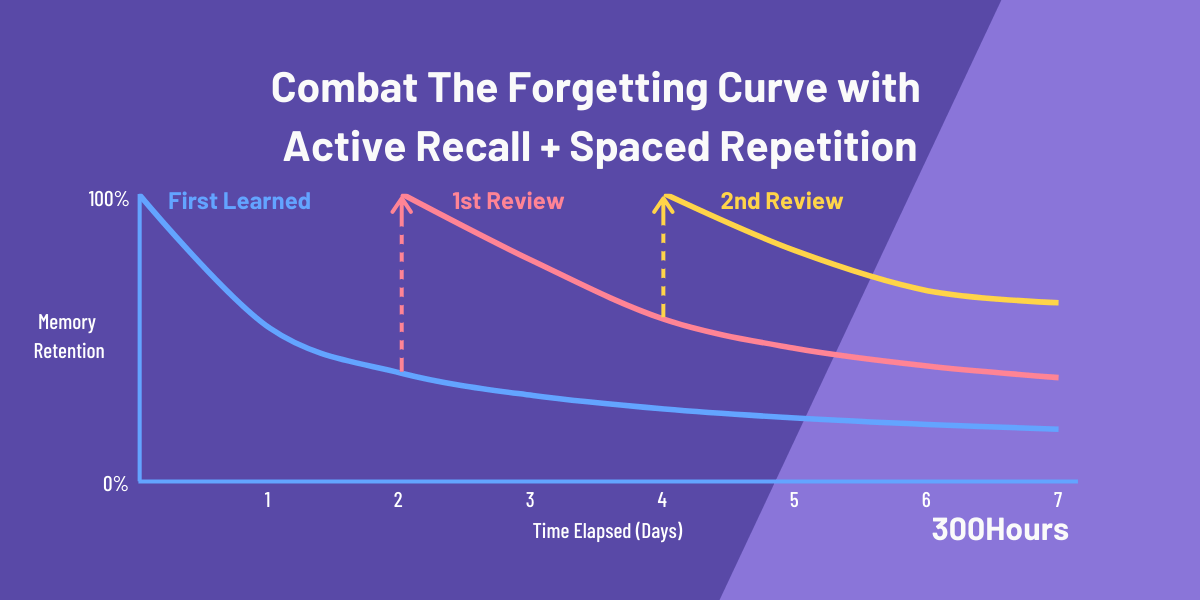
- Breaks interrupt the initial learning process, forcing the brain to recall information at later intervals.
- This spaced repetition process strengthens neural connections and enhances memory consolidation.
Optimal Break Duration:
- Research suggests that breaks should be short (5-10 minutes) and frequent (every 20-30 minutes).
- Longer breaks (e.g., 15-20 minutes) may interfere with focus and recall.
Types of Effective Breaks:
- Active Breaks: Engage in a task unrelated to studying, such as stretching, walking, or a short conversation.
- Passive Breaks: Step away from studying and focus on a relaxing activity, such as listening to music or reading fiction.
Mindful Breaks:
- Use breaks to practice mindfulness techniques, such as deep breathing or guided meditation.
- This helps reduce stress and improve cognitive function, enhancing memory retention.
Active Recall During Breaks:
- Instead of passively reviewing notes during breaks, actively recall information by testing yourself.
- This forces the brain to retrieve and reinforce memories.
Retrieval Practice:
- During breaks, engage in retrieval practice exercises, such as answering questions or summarizing key concepts.
- This process helps consolidate memories and improves long-term retention.
Hydration and Nutrition:
- Hydrate regularly during study sessions and breaks.
- Consume healthy snacks that provide sustained energy and support brain function.
Avoid Distractions:
- Ensure that breaks are distraction-free to maximize their effectiveness.
- Avoid checking social media or engaging in activities that may disrupt focus and impair memory retention.
Example Break Schedule:
- Study for 25 minutes.
- Take a 5-minute active break (e.g., stretching, walking).
- Study for 25 minutes.
- Take a 5-minute mindful break (e.g., deep breathing).
- Study for 25 minutes.
- Take a 10-minute active break (e.g., retrieve information, answer questions).
Benefits of Breaks for Memory Retention:
- Enhanced consolidation of memories
- Improved recall performance
- Reduced cognitive overload and fatigue
- Increased motivation and focus
- Reduced stress and anxiety## How To Improve Memory Retention Through Breaks In Studying
Executive Summary
Breaks in studying are crucial for maximizing memory retention and enhancing learning outcomes. This article delves into the science behind spaced repetition, exploring effective strategies to incorporate breaks into your study schedule. By understanding the benefits of breaks, you can optimize your learning process and achieve lasting knowledge retention.
Introduction
When it comes to studying, the common misconception is that cramming and extended study sessions are the keys to success. However, research has consistently shown that breaks in studying can significantly improve memory retention and learning outcomes. By taking breaks, you allow your brain to process and consolidate new information, leading to better comprehension and long-term記憶力.
FAQ
1. Why are breaks important for memory retention?
Breaks allow your brain to shift focus, improve attention, and reduce cognitive fatigue, enhancing your ability to retain information.
2. How long should study breaks be?
Optimal break duration varies, but research suggests alternating between 10-15 minute breaks for every 30-45 minutes of studying.
3. What can I do during study breaks?
Engage in activities that are mentally stimulating but different from the study material, such as taking a walk, listening to music, or socializing briefly.
Top 5 Subtopics
Spaced Repetition
Spaced repetition involves breaking down study material into smaller chunks and reviewing it at increasing intervals. This technique enhances memory over time, as it forces your brain to actively recall information and strengthens the neural connections associated with it.
- 1. Benefits of Spaced Repetition: Improved retention, reduced forgetting, and enhanced retrieval of information.
- 2. Implementing Spaced Repetition: Create a study schedule that includes regular review sessions at increasing intervals.
- 3. Techniques for Spaced Repetition: Flashcards, spaced retrieval practice, and self-testing.
Active Recall
Active recall involves actively retrieving information from memory without referring to your notes or study materials. This process strengthens neural connections and improves memory retention.
- 1. Benefits of Active Recall: Enhanced retrieval, improved comprehension, and reduced reliance on external cues.
- 2. Implementing Active Recall: Regularly test yourself by reciting information from memory, quizzing yourself, or creating concept maps.
- 3. Techniques for Active Recall: Close the book recall, practice retrieval questions, and self-explanation.
Interleaving
Interleaving involves mixing up different study topics or concepts rather than studying them in isolation. This technique improves understanding, reduces interference, and promotes deeper processing of information.
- 1. Benefits of Interleaving: Enhanced comprehension, reduced confusion, and improved problem-solving abilities.
- 2. Implementing Interleaving: Create study materials that combine different concepts, alternate between subjects during study sessions, or use practice tests that mix topics.
- 3. Techniques for Interleaving: Mixed-list practice, block-random practice, and interleaved practice tests.
Elaboration
Elaboration involves connecting new information to existing knowledge, experiences, or examples. This process deepens your understanding, enhances memory retention, and improves your ability to apply knowledge in different contexts.
- 1. Benefits of Elaboration: Improved comprehension, increased retention, and enhanced problem-solving abilities.
- 2. Implementing Elaboration: Explain concepts to others, create analogies or metaphors, and relate new information to your own experiences.
- 3. Techniques for Elaboration: Graphic organizers, concept mapping, and self-questioning.
Retrieval Practice
Retrieval practice involves actively recalling information from memory through various techniques such as self-testing, quizzes, or practice exams. This process strengthens the memory trace and improves long-term retention.
- 1. Benefits of Retrieval Practice: Enhanced retrieval, improved memory accuracy, and increased confidence.
- 2. Implementing Retrieval Practice: Create regular practice tests or quizzes, engage in spaced retrieval, or use flashcards to actively recall information.
- 3. Techniques for Retrieval Practice: Self-testing, cued recall, and free recall.
Conclusion
Breaks in studying are not a sign of laziness or procrastination; they are an essential part of the learning process. By incorporating breaks into your study schedule, you can optimize your memory retention, enhance your comprehension, and achieve lasting knowledge retention. Remember, it’s not the amount of time you spend studying that matters but how effectively you study. By embracing the science-backed strategies discussed in this article, you can revolutionize your learning experience and unlock your full academic potential.
Keyword Tags
- Memory retention
- Study breaks
- Spaced repetition
- Active recall
- Retrieval practice