Overcoming Challenges in Online Learning
1. Technology Issues:

- Ensure a stable internet connection: Use wired connections or reliable Wi-Fi networks.
- Check hardware and software requirements: Confirm compatibility with the learning platform and required software.
- Contact technical support: Seek assistance from the institution or platform if technical problems arise.
2. Time Management:

- Create a structured schedule: Allocate specific times for studying, completing assignments, and participating in discussions.
- Break down large tasks: Divide assignments into manageable chunks to make them less daunting.
- Use calendar reminders and to-do lists: Keep track of deadlines and tasks to avoid falling behind.
3. Motivation and Engagement:
- Set clear goals: Identify the learning outcomes you want to achieve and how online courses will contribute to them.
- Connect with peers: Participate in online forums, discussion boards, and video conferencing to interact with classmates.
- Engage actively: Take part in online activities, quizzes, and assessments to stay engaged and motivated.
4. Lack of Social Interaction:
- Use video conferencing platforms: Engage in virtual classroom sessions, group discussions, and study groups.
- Attend virtual social events: Participate in online chats, webinars, or social media groups organized by the institution.
- Connect with instructors and classmates outside of class: Email, message, or schedule virtual office hours for additional support and interaction.
5. Discipline and Focus:
- Create a dedicated study space: Find a quiet and comfortable environment that promotes concentration.
- Minimize distractions: Turn off notifications, close unnecessary tabs, and use noise-canceling headphones.
- Take breaks regularly: Step away from your studies at intervals to clear your mind and refocus.
6. Learning Style:
- Identify your learning style: Determine if you prefer visual, auditory, or kinesthetic learning and adjust your study methods accordingly.
- Utilize multimedia resources: Online courses often offer a variety of learning materials, such as videos, podcasts, and simulations, to cater to different learning styles.
- Seek additional support if needed: If you struggle with a particular learning method, reach out to instructors or tutors for guidance.
7. Fear or Anxiety:
- Break down the challenge: Identify specific aspects of online learning that cause anxiety and develop strategies to address them.
- Seek support: Talk to instructors, counselors, or trusted friends and family members to alleviate fears.
- Practice self-care techniques: Engage in activities that promote relaxation and stress reduction, such as meditation, exercise, or hobbies.
Remember, online learning can be challenging, but by proactively addressing these obstacles, you can create a successful and rewarding learning experience.## How To Overcome Challenges In Online Learning
Executive Summary
Online learning offers numerous benefits, including flexibility, accessibility, and self-paced learning. However, it also poses unique challenges that can hinder students’ progress and success. This article explores the common challenges faced by online learners and provides effective strategies to overcome them.
Introduction
Online learning has become increasingly popular in recent years due to its convenience and flexibility. However, it is not without its challenges. Students who engage in online learning may encounter various obstacles that can impact their academic performance and overall learning experience. This article aims to shed light on these challenges and provide practical solutions to help learners overcome them effectively.
FAQs
Q: What are the unique challenges of online learning?
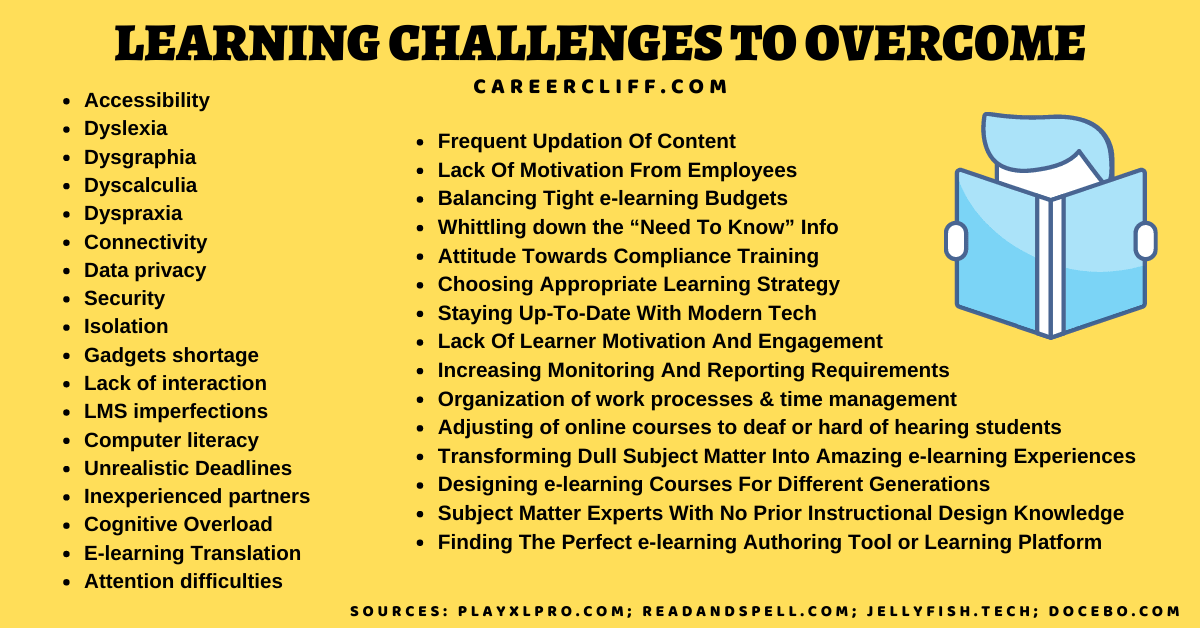
- A: Online learning presents challenges such as self-discipline, time management, technical difficulties, lack of face-to-face interaction, and feelings of isolation.
Q: How can I stay motivated and avoid procrastination in online learning?
- A: Set realistic goals, create a dedicated study space, engage in active learning techniques, reward yourself for completing tasks, and connect with peers for support.
Q: What are some strategies for effective time management in online learning?
- A: Plan your schedule, prioritize tasks, use a calendar or planner, break down large assignments into smaller chunks, and learn to say no to unnecessary commitments.
Top 5 Subtopics
1. Self-Discipline and Motivation
- Maintaining self-discipline and motivation is crucial for success in online learning.
- Set specific and achievable goals.
- Create a dedicated study space.
- Engage in active learning techniques.
- Reward yourself for completing tasks.
- Connect with peers for support.
2. Time Management
- Effective time management is essential for balancing academic responsibilities and personal life in online learning.
- Plan your schedule and stick to it.
- Prioritize tasks based on importance and urgency.
- Use a calendar or planner to stay organized.
- Break down large assignments into smaller chunks.
- Learn to say no to unnecessary commitments.
3. Technical Difficulties
- Online learning relies heavily on technology, which can sometimes pose technical challenges.
- Ensure you have a reliable internet connection.
- Test your equipment before starting classes.
- Know where to go for technical support.
- Familiarize yourself with the online learning platform.
- Be prepared for occasional technical glitches.
4. Lack of Face-to-Face Interaction
- The absence of face-to-face interactions in online learning can lead to feelings of isolation and disconnect.
- Participate in virtual discussions and forums.
- Join online study groups or connect with classmates outside of class.
- Seek opportunities for virtual socialization and networking.
- Schedule regular check-ins with your instructor or mentor.
- Be proactive in reaching out to classmates and seeking support.
5. Feelings of Isolation
- The lack of physical presence in a traditional classroom setting can evoke feelings of isolation among online learners.
- Engage in social activities related to your field of study.
- Join online communities or discussion boards.
- Attend webinars or virtual conferences.
- Consider joining a co-working space or finding a study buddy.
- Seek professional help if feelings of isolation persist.
Conclusion
Overcoming the challenges of online learning requires a combination of self-discipline, time management skills, technological proficiency, social engagement, and a positive mindset. By implementing the strategies outlined in this article, online learners can effectively navigate the unique obstacles they may encounter and achieve academic success. Embracing the challenges and actively seeking solutions will empower learners to maximize their online learning experience and achieve their educational goals.
Keyword Tags
- Online Learning
- Challenges
- Self-Discipline
- Time Management
- Lack of Face-to-Face Interaction