The Holistic Approach to Academic Success
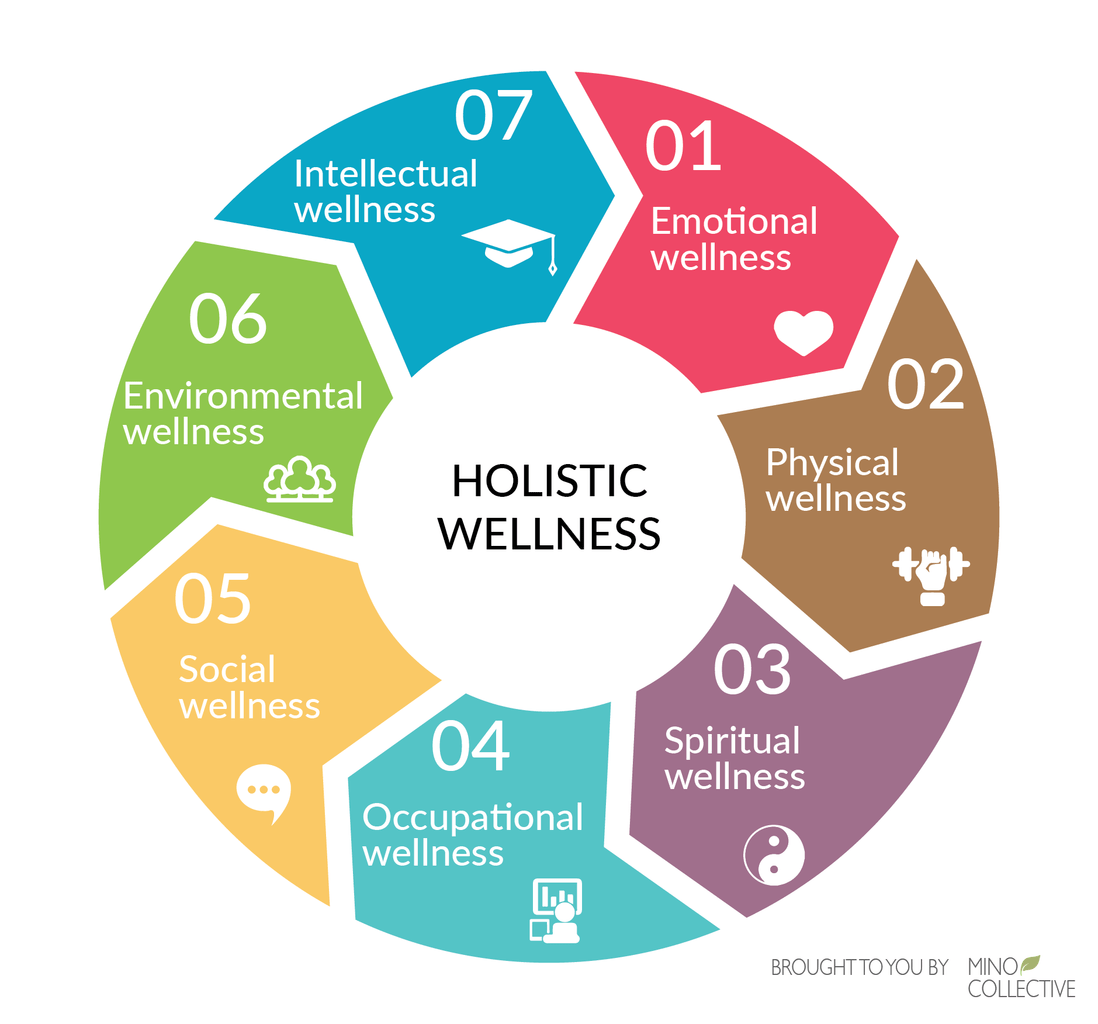
Academic success extends beyond mere intellectual pursuits; it encompasses a comprehensive approach that considers the multifaceted aspects of an individual’s well-being. A holistic approach to academic success acknowledges the intricate interplay between mental, physical, and emotional dimensions.
Integrating Healthy Habits for Top Results
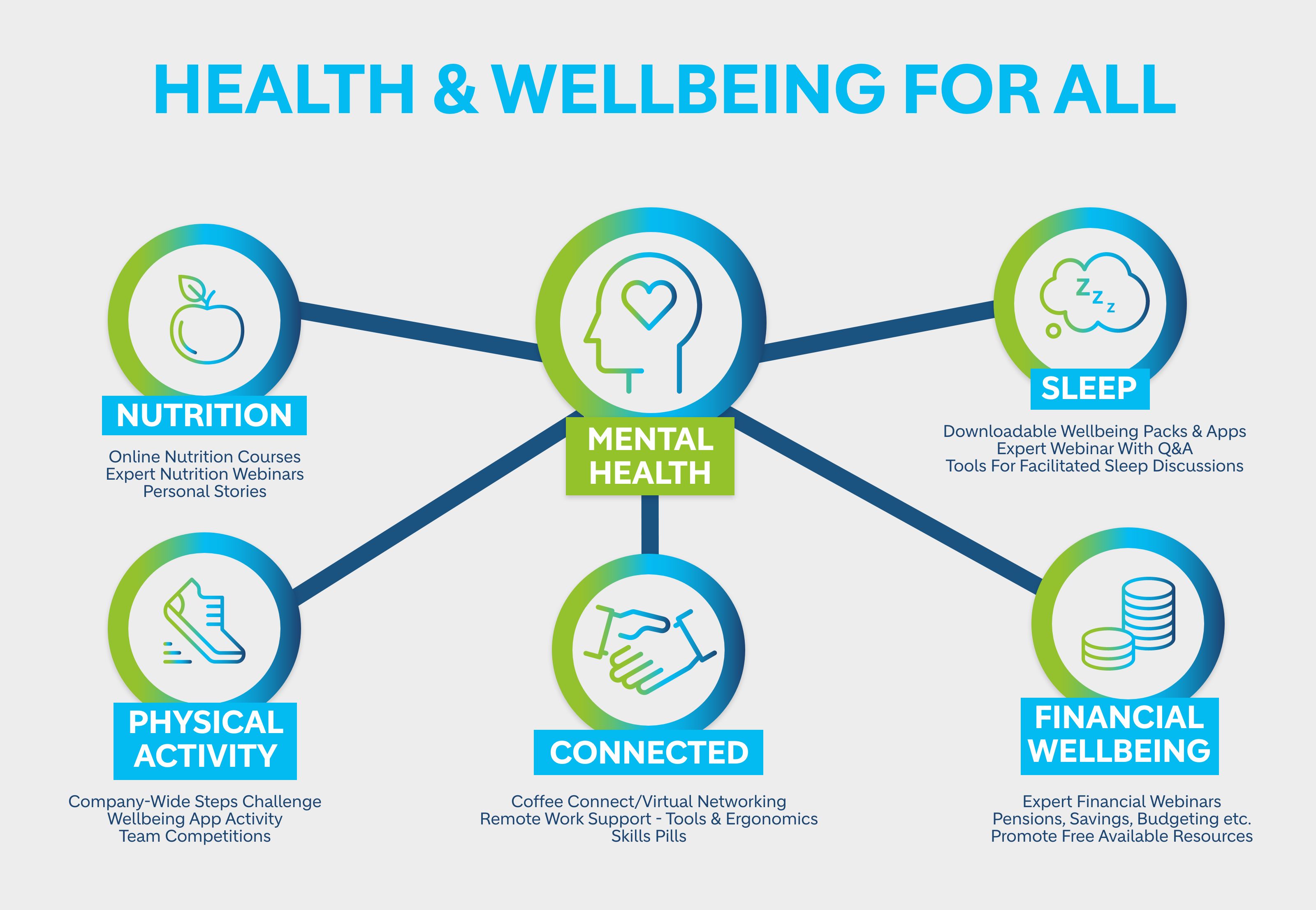
To achieve optimal academic performance, students must integrate healthy habits into their lives. These habits, rooted in the principles of holistic well-being, empower students to unlock their full potential.
Mental Well-being
- Prioritize Sleep: Adequate sleep is crucial for cognitive function, memory, and attention. Aim for 7-9 hours of quality sleep each night.
- Engage in Mindfulness: Practice mindfulness techniques such as meditation or yoga to reduce stress, improve focus, and enhance emotional regulation.
- Seek Professional Help: When needed, don’t hesitate to seek support from professionals such as therapists or counselors to address mental health issues.
Physical Well-being
- Nourish Your Body: Fuel your body with nutritious meals that provide energy and enhance brain function. Focus on fruits, vegetables, lean proteins, and whole grains.
- Exercise Regularly: Physical activity releases endorphins that boost mood, reduce stress, and improve cognitive abilities. Aim for at least 30 minutes of moderate-intensity exercise most days of the week.
- Prioritize Hydration: Stay hydrated by drinking plenty of water throughout the day. Dehydration can impair brain function and lead to fatigue.
Emotional Well-being
- Build Meaningful Relationships: Surround yourself with positive and supportive people who encourage your academic endeavors.
- Engage in Hobbies: Pursue activities that bring you joy and provide an outlet for stress.
- Practice Self-Care: Regular self-care rituals such as taking baths, reading, or listening to music can help manage stress and promote emotional well-being.
Additional Recommendations
- Create a Conducive Study Environment: Establish a dedicated and distraction-free space for studying.
- Time Management: Effectively manage your time to balance academic responsibilities with personal well-being.
- Seek Support: Reach out to professors, classmates, or academic advisors for assistance when needed.
- Reward Yourself: Recognize and reward your efforts to stay motivated and foster a positive attitude towards learning.
Conclusion
A holistic approach to academic success recognizes that students are not simply vessels of knowledge but complex individuals with unique needs and abilities. By integrating healthy habits that address the multifaceted aspects of well-being, students can unlock their full academic potential, achieve top results, and thrive both inside and outside the classroom.## The Holistic Approach to Academic Success: Integrating Healthy Habits for Top Results
Executive Summary
Academic achievement is a multifaceted concept influenced by various factors. By adopting a comprehensive approach that combines academic strategies with healthy habits, students can unlock their full potential and maximize their learning outcomes. This article explores the essential components of a holistic approach to academic success, emphasizing the integration of physical, emotional, and mental well-being into the pursuit of educational excellence.
Introduction
In today’s highly competitive academic landscape, students face immense pressure to excel in their studies. While academic strategies and techniques are undeniably important, they are only one part of the equation. A truly holistic approach to academic success acknowledges the interconnection between physical, emotional, and mental health and their profound impact on academic performance. By embracing healthy habits that support overall well-being, students can enhance their cognitive abilities, improve their focus, and create a foundation for long-term academic success.
FAQs
Q: What is a holistic approach to academic success?
A: A holistic approach to academic success integrates academic strategies with healthy habits that support overall physical, emotional, and mental well-being.
Q: Why is physical health important for academic performance?
A: Physical activity improves blood flow to the brain, enhances oxygenation, and reduces stress levels, all of which are essential for optimal cognitive function and academic performance.
Q: How can managing emotional health contribute to academic success?
A: Emotional regulation, stress management techniques, and a positive attitude can significantly improve focus, reduce distractions, and enhance the learning experience.
Subtopics
Physical Health
- Exercise and Physical Activity: Studies have shown that regular exercise can enhance cognitive abilities, including memory, attention, and problem-solving.
- Nutrition and Diet: A balanced diet rich in fruits, vegetables, whole grains, and lean protein supports brain development and cognitive function.
- Sleep: Adequate sleep is crucial for cognitive restoration and memory consolidation, improving academic performance and overall well-being.
Emotional Health
- Stress Management: Techniques such as deep breathing exercises, mindfulness meditation, and yoga can help regulate stress levels, improve mood, and enhance focus.
- Positive Attitude: Cultivating a positive mindset, setting realistic goals, and having a supportive environment can boost motivation and reduce anxiety.
- Social Support: Strong social connections with peers, family, and mentors provide emotional support and accountability, fostering a sense of belonging and well-being.
Mental Health
- Time Management: Effective time management skills help students prioritize tasks, reduce procrastination, and manage their workload effectively.
- Organization and Study Skills: Strong organizational skills and effective study techniques facilitate efficient learning, improve retention, and reduce academic stress.
- Concentration and Focus: Techniques such as the Pomodoro Technique, active listening, and regular breaks can enhance concentration and focus, improving academic performance.
Conclusion
A holistic approach to academic success recognizes the importance of integrating physical, emotional, and mental well-being into the pursuit of educational excellence. By adopting healthy habits that support overall well-being, students can optimize their cognitive abilities, enhance their focus, reduce stress, and cultivate a positive mindset. This comprehensive approach empowers students to reach their full potential, not only in their academic endeavors but also in their overall lives. By embracing the interconnectedness of mind, body, and spirit, students can unlock their true potential and achieve academic success while maintaining their health, happiness, and well-being.
Keywords
- Academic Success
- Holistic Approach
- Physical Health
- Emotional Health
- Mental Health