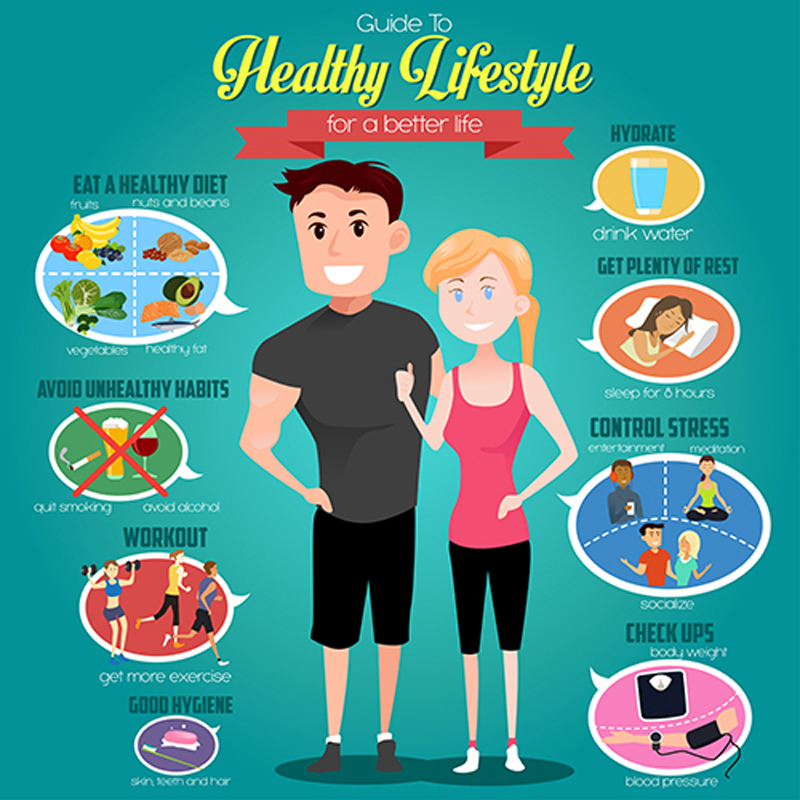
Maintaining a Healthy Lifestyle in College: Tips and Tricks
1. Prioritize Sleep:

- Aim for 7-9 hours of sleep each night.
- Establish a regular sleep-wake cycle, even on weekends.
- Create a sleep-conducive environment, such as a dark, quiet room.
2. Nourish Your Body:

- Cook meals at home whenever possible to control ingredients and portions.
- Focus on nutrient-rich foods, including fruits, vegetables, whole grains, and lean protein.
- Limit processed foods, sugary drinks, and unhealthy fats.
3. Stay Active:
- Engage in at least 150 minutes of moderate-intensity exercise per week.
- Find activities you enjoy, such as walking, running, swimming, or dancing.
- Join a gym or fitness class for accountability and support.
4. Manage Stress:
- Identify your stress triggers and develop coping mechanisms.
- Practice mindfulness techniques like yoga, meditation, or deep breathing exercises.
- Seek support from friends, family, or counselors when needed.
5. Stay Hydrated:
- Drink plenty of water throughout the day.
- Carry a reusable water bottle to stay hydrated on the go.
- Limit sugary drinks, as they can contribute to dehydration.
6. Prioritize Mental Health:
- Engage in activities that bring you joy and relaxation.
- Connect with friends and family regularly.
- Seek professional help if you experience persistent anxiety, depression, or other mental health concerns.
7. Limit Alcohol and Substance Use:
- Alcohol and drugs can negatively impact sleep, nutrition, and overall health.
- Limit alcohol consumption and avoid using illicit substances.
8. Be Aware of Your Environment:
- Take breaks from studying to stretch, move around, and get fresh air.
- Create a comfortable and supportive living space that promotes healthy habits.
9. Cook on a Budget:
- Plan meals ahead of time to avoid impulse purchases and save money.
- Utilize coupons, discounts, and bulk buying.
- Consider meal-kit services or food pantries if necessary.
10. Seek Support:
- Join a health-oriented club or organization on campus.
- Connect with a registered dietitian, personal trainer, or counselor for guidance.
- Utilize university resources such as health centers, wellness programs, and counseling services.