Soothing Sleep Strategies for Exam Night
Establish a Regular Sleep Schedule:

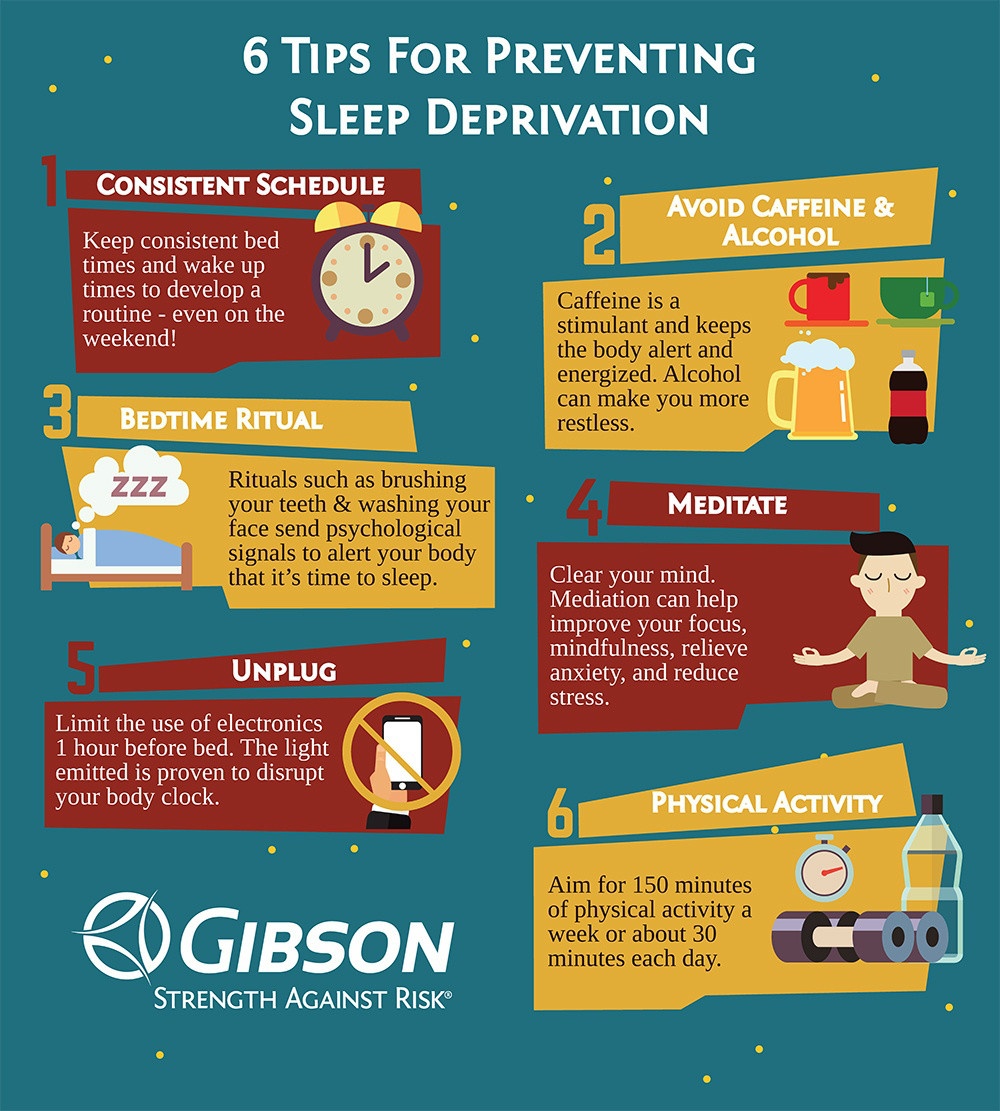
- Stick to a consistent sleep-wake cycle, even on weekends or holidays. This helps regulate your body’s natural sleep-wake rhythm.
Create a Conducive Sleep Environment:

- Ensure your bedroom is dark, quiet, and cool. Use blackout curtains, earplugs, or a white noise machine to minimize distractions.
Avoid Stimulating Activities Before Bed:
- Limit caffeine, alcohol, and nicotine consumption hours before sleep. These substances interfere with the sleep cycle.
Engage in Relaxing Activities:
- Take a warm bath, read a book, or listen to calming music to wind down before bed.
Establish a Bedtime Routine:
- Do activities that signal it’s time for sleep, such as brushing your teeth, washing your face, or reading.
Consider Sleep Aids:
- If natural remedies fail, consult a doctor about prescription sleep medications. Use them sparingly and only when necessary.
Establish Realistic Sleep Goals:
- Don’t panic if you don’t get a full night’s sleep. Focus on getting as much rest as possible.
Prioritize Sleep:
- Understand the importance of sleep for both mental and physical well-being. Make getting enough sleep a priority during stressful times.
Healthy Habits for Exam Night:
Light and Simple Dinner:
- Avoid heavy or sugary meals before bed, as they can interfere with digestion and sleep.
No Electronics:
- Shut off electronic devices at least an hour before sleep. The blue light they emit can suppress melatonin production.
Relaxing Activities:
- Engage in calming activities such as meditation, yoga, or deep breathing to reduce stress and induce relaxation.
Positive Mindset:
- Focus on positive thoughts and remind yourself that sufficient sleep is essential for exam success.## How To Overcome Sleep Deprivation Before Exams
Executive Summary
Many students experience sleep deprivation before exams due to the increased workload and stress of exam preparation. This can have a negative impact on academic performance, as sleep is essential for memory consolidation, cognitive function, and overall health. This article provides practical tips and strategies to help students overcome sleep deprivation before exams, ensuring optimal academic performance and overall well-being.
Introduction
Sleep deprivation is a common problem among students, especially during exam season. The pressure to perform well, coupled with increased workload and study hours, can lead to significant sleep loss. However, sleep is crucial for academic success, as it plays a vital role in memory consolidation, cognitive function, and overall health. This article explores effective strategies to overcome sleep deprivation before exams, empowering students to prioritize sleep and maximize their academic potential.
FAQ
Why is sleep important before exams?
- Sleep is essential for memory consolidation, helping students retain and recall information effectively.
- Sleep deprivation impairs cognitive function, including attention, focus, and problem-solving abilities, which are crucial for exam performance.
- Sleep deprivation weakens the immune system, increasing the risk of illness during exam season.
How can I improve my sleep quality before exams?
- Establish a regular sleep schedule, going to bed and waking up around the same time each day, even on weekends.
- Create a relaxing bedtime routine to signal to your body that it’s time to sleep.
- Ensure your bedroom is dark, quiet, and cool for optimal sleep conditions.
What should I do if I can’t fall asleep before an exam?
- Try relaxation techniques such as deep breathing exercises or meditation.
- Listen to calming music or nature sounds to soothe the mind and promote relaxation.
- Avoid caffeine and alcohol before bed, as these substances can interfere with sleep.
Top 5 Subtopics
Signs and Symptoms of Sleep Deprivation
- Difficulty concentrating and paying attention
- Increased forgetfulness and impaired memory
- Mood swings and irritability
- Fatigue and lack of energy
- Headaches and muscle tension
Establishing a Regular Sleep Schedule
- Go to bed and wake up around the same time each day, even on weekends.
- Create a relaxing bedtime routine to signal to your body that it’s time to sleep.
- Avoid caffeine and alcohol before bed.
- Make sure your bedroom is dark, quiet, and cool.
- Get regular exercise, but avoid exercising too close to bedtime.
Creating a Relaxing Bedtime Routine
- Take a warm bath or shower to relax your muscles.
- Read a book or listen to calming music.
- Spend time writing in a journal to reflect and unwind.
- Do deep breathing exercises or meditate to calm your mind.
- Avoid using electronic devices before bed, as the blue light emitted can interfere with sleep.
Getting Enough Sleep
- Aim for 7-9 hours of sleep each night.
- Listen to your body and sleep when you’re tired.
- Create a sleep-conducive environment in your bedroom.
- Avoid napping for more than 20 minutes during the day.
- If you can’t fall asleep after 20 minutes, get out of bed and do something relaxing until you feel tired.
Dealing with Exam-Related Stress
- Identify the sources of your stress and develop coping mechanisms.
- Practice relaxation techniques such as deep breathing exercises or meditation.
- Talk to a friend, family member, or counselor about your concerns.
- Prioritize your tasks and focus on completing the most important ones first.
- Take breaks from studying and engage in activities that you enjoy.
Conclusion
Overcoming sleep deprivation before exams is essential for academic success and overall well-being. By implementing the strategies outlined in this article, students can prioritize sleep, improve their sleep quality, and ensure optimal performance during exam season. Remember, sleep is not a luxury but a necessity for cognitive function, memory consolidation, and overall health. By investing in sufficient sleep, students can maximize their potential, achieve academic excellence, and maintain their physical and mental well-being.
Keyword Tags
- Sleep deprivation
- Exam preparation
- Sleep hygiene
- Memory consolidation
- Academic performance