Ensure nighly grounded levels in sleep hours.
Improved Memory
Lengthy intervals of sleep help enhance memory storage and retrieval.Enhanced Cognitive Function
Lack of adequate sleep hinders information processing, concentration, and critical thinking.Reduced Stress
Long hours of sleep promote hormonal equilibrium, reducing anxiety and stress.Heightened Alertness
Refreshed individuals have improved attention spans, leading to better exam performance.Boosted Immune Function
Lack of sleep weakens the body’s immunity, increasing the risk of illnesses.## Importance Of Sleep During Exam Preparation
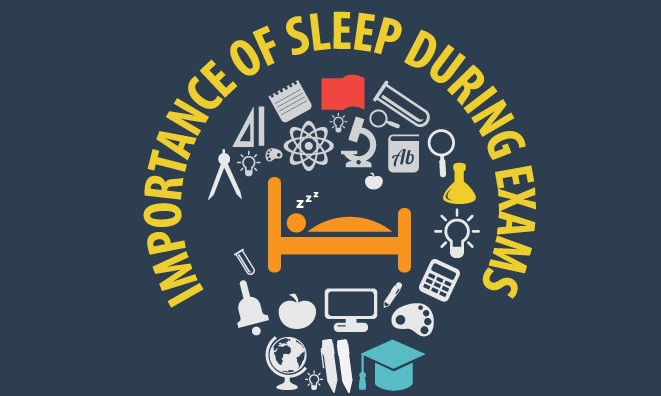
Sleep is not a luxury during exam preparation; it is a necessity. It is difficult to cram all night and expect to perform well on an exam the next day. A good night’s sleep helps to improve concentration, memory, and reaction time, all of which are essential for doing well on exams.
Executive Summary
Sleep is essential for optimal cognitive functioning, and this is especially true during exam preparation. Students who get enough sleep are better able to focus, remember information, and perform well on exams. This article discusses the importance of sleep during exam preparation and provides tips for getting a good night’s sleep before an exam.
Introduction
Exam preparation is a stressful time for students. There is a lot of material to cover, and it can be difficult to find the time to get enough sleep. However, sleep is essential for optimal cognitive functioning, and this is especially true during exam preparation. Students who get enough sleep are better able to focus, remember information, and perform well on exams.
FAQ’s
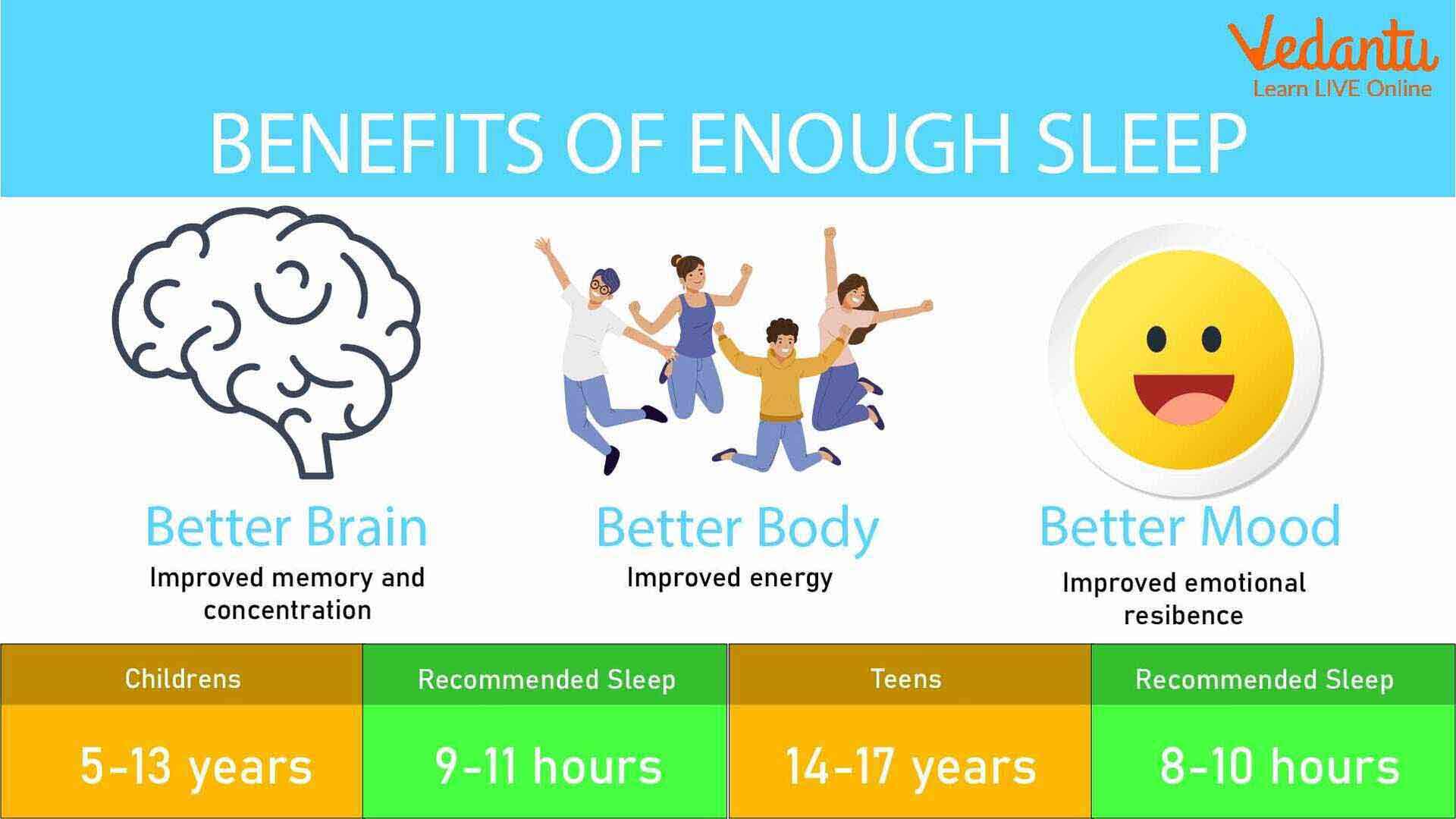
- How much sleep do I need? Most adults need around 7-8 hours of sleep per night. However, some people may need more or less sleep depending on their individual needs.
- What is the best way to get a good night’s sleep? There are many things you can do to improve your sleep habits, such as going to bed and waking up at the same time each day, avoiding caffeine and alcohol before bed, and creating a relaxing bedtime routine.
- What should I do if I can’t sleep the night before an exam? If you can’t sleep the night before an exam, don’t panic. Try to relax and do something calming, such as reading or listening to music.
Top 5 Subtopics
The Importance Of Sleep For Memory Consolidation
Sleep is essential for memory consolidation, which is the process by which memories are stored in the brain. When you sleep, your brain replays the events of the day and strengthens the neural pathways that are associated with those memories. This process helps to make memories more permanent and easier to recall.
- Getting enough sleep helps to improve memory recall. Studies have shown that students who get enough sleep are better able to remember information than students who do not get enough sleep.
- Sleep helps to improve memory consolidation. When you sleep, your brain replays the events of the day and strengthens the neural pathways that are associated with those memories. This process helps to make memories more permanent and easier to recall.
- Lack of sleep can impair memory formation. Studies have shown that people who do not get enough sleep have difficulty forming new memories.
The Importance Of Sleep For Attention And Concentration
Sleep is also essential for attention and concentration. When you are sleep-deprived, you are more likely to have difficulty paying attention and concentrating on tasks. This can make it difficult to study for exams and to perform well on exams.
- Getting enough sleep helps to improve attention. Studies have shown that students who get enough sleep are better able to pay attention in class and to focus on tasks for longer periods of time.
- Sleep helps to improve concentration. When you are sleep-deprived, you are more likely to have difficulty concentrating on tasks and to make mistakes.
- Lack of sleep can impair attention and concentration. Studies have shown that people who do not get enough sleep have difficulty paying attention and concentrating on tasks.
The Importance Of Sleep For Reaction Time
Sleep is also essential for reaction time. When you are sleep-deprived, you are more likely to have slower reaction times. This can make it difficult to react quickly to questions on exams and to make quick decisions.
- Getting enough sleep helps to improve reaction time. Studies have shown that students who get enough sleep have faster reaction times than students who do not get enough sleep.
- Sleep helps to improve reaction time. When you are sleep-deprived, your brain is less able to process information quickly and to make quick decisions.
- Lack of sleep can impair reaction time. Studies have shown that people who do not get enough sleep have slower reaction times.
The Importance Of Sleep For Mood And Motivation
Sleep is also essential for mood and motivation. When you are sleep-deprived, you are more likely to feel tired, irritable, and unmotivated. This can make it difficult to study for exams and to perform well on exams.
- Getting enough sleep helps to improve mood. Studies have shown that students who get enough sleep are more likely to feel happy, positive, and motivated.
- Sleep helps to improve motivation. When you are sleep-deprived, you are less likely to feel motivated to study and to perform well on exams.
- Lack of sleep can impair mood and motivation. Studies have shown that people who do not get enough sleep are more likely to feel tired, irritable, and unmotivated.
The Importance Of Sleep For Overall Health
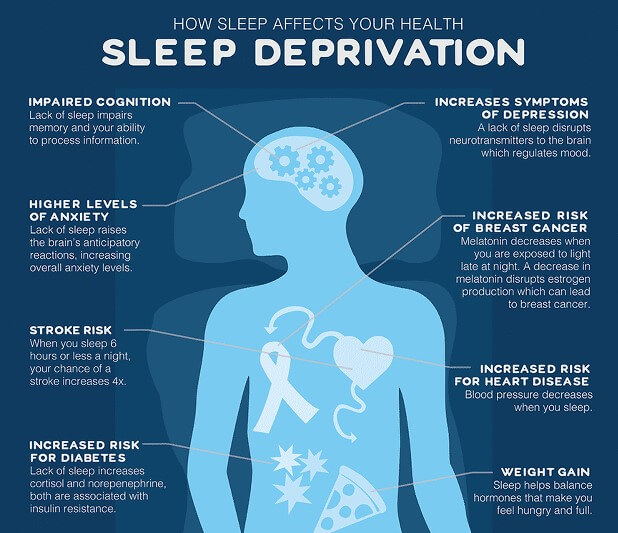
Sleep is also essential for overall health. When you do not get enough sleep, you are more likely to get sick. This can make it difficult to study for exams and to perform well on exams.
- Getting enough sleep helps to boost the immune system. Studies have shown that students who get enough sleep are less likely to get sick.
- Sleep helps to reduce stress. When you are sleep-deprived, you are more likely to feel stressed and anxious. This can make it difficult to study for exams and to perform well on exams.
- Lack of sleep can increase the risk of chronic diseases. Studies have shown that people who do not get enough sleep are more likely to develop chronic diseases such as heart disease, stroke, and diabetes.
Conclusion
Sleep is essential for exam preparation. Students who get enough sleep are better able to focus, remember information, and perform well on exams. If you are preparing for an exam, make sure to get enough sleep so that you can perform your best.
Keyword Tags
- Exam preparation
- Sleep
- Memory
- Attention
- Concentration