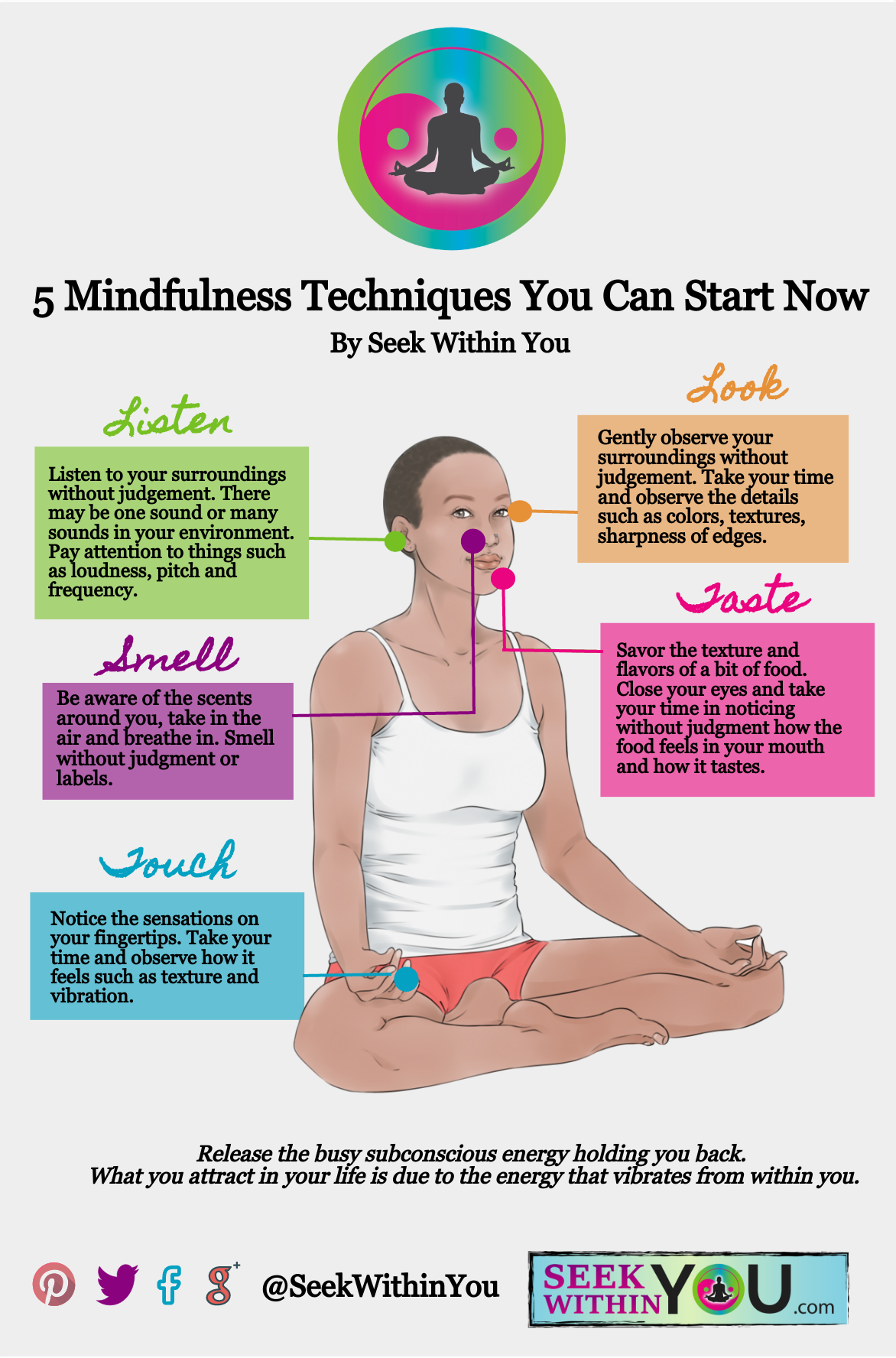
Mastering Your Mind for Effective Studying
Introduction:
In the fast-paced academic environment, it’s crucial to possess the ability to focus, retain information, and recall it efficiently. Mindfulness techniques provide a powerful tool for enhancing your cognitive abilities and promoting effective studying. This guide will explore how mindfulness can transform your study approach.
Understanding Mindfulness:
Mindfulness is the practice of paying attention to the present moment without judgment. It involves acknowledging your thoughts, feelings, and bodily sensations without reacting or getting caught up in them.
Benefits for Studying:

- Improved Attention: Mindfulness sharpens your focus and reduces distractions, allowing you to concentrate more deeply on your studies.
- Enhanced Memory: By observing your thoughts without judgment, you create space for new information to be absorbed and stored in your memory.
- Reduced Stress: Mindfulness promotes relaxation and reduces anxiety associated with studying, creating a more conducive learning environment.
- Increased Comprehension: When you are fully present in the moment, you can grasp concepts more easily and make meaningful connections between ideas.
- Cognitive Flexibility: Mindfulness enhances your ability to adapt to changing demands and perspectives, making it easier to understand complex topics from different angles.
Mindfulness Techniques:

1. Body Scan Meditation:
- Lie down or sit comfortably with your eyes closed.
- Bring your attention to your toes and slowly scan your body, noticing any sensations or tensions.
- Gradually move upward, focusing on each part of your body.
2. Breath Awareness:
- Sit or lie in a comfortable position and focus on your breath.
- Notice the rise and fall of your chest and abdomen.
- Simply observe your breath without trying to control it.
3. Thought Observation:
- Sit in a quiet place and allow your thoughts to flow freely.
- Acknowledge the thoughts without getting caught up in them.
- Observe them as mental events, noting their nature and passing.
4. Mindful Studying:
- When studying, take breaks to check in with yourself.
- Notice any distractions or wandering thoughts.
- Gently return your attention to the material without judgment.
5. Gratitude Journaling:
- Before studying or at the end of the day, take a few minutes to write down three things you are grateful for related to your studies.
- This helps you appreciate the learning process and reduces negative thoughts.
Tips for Practice:
- Start Small: Begin with short meditation sessions (5-10 minutes) and gradually increase the duration.
- Be Consistent: Practice mindfulness regularly, even for a few minutes each day.
- Be Patient: Developing mindfulness takes time and effort. Don’t get discouraged if your mind wanders.
- Find a Support System: Join a mindfulness group or connect with others who practice mindfulness.
- Use Technology: There are many apps and resources available to support your mindfulness journey.
Conclusion:
Incorporating mindfulness into your studying routine can unlock a wealth of cognitive benefits. By practicing the techniques outlined in this guide, you can enhance your attention, memory, and overall learning experience. Mastering your mind empowers you to achieve academic success with greater ease and fulfillment.## Mastering Your Mind: Mindfulness Techniques For Effective Studying
Executive Summary
In today’s fast-paced, information-driven world, it is essential to develop effective study habits to stay ahead. Mindfulness, the practice of paying deliberate attention to the present without judgment, has been found to enhance focus, improve memory, and reduce stress, which are all crucial for successful studying. This article explores practical mindfulness techniques that students can incorporate into their academic routine to unlock their full potential.
Introduction
Studying effectively requires more than just memorizing facts and figures. It demands a sharp mind capable of concentrating, retaining information, and navigating the inevitable challenges. Mindfulness offers a powerful solution to these cognitive obstacles, enabling students to approach their studies with greater clarity, focus, and resilience.
FAQs
- What is mindfulness?
Mindfulness is the practice of intentionally bringing one’s attention to the present moment without judgment. - How can mindfulness enhance studying?
Mindfulness improves focus, boosts memory, and reduces stress, making it easier to understand and retain material. - Can beginners practice mindfulness for studying?
Absolutely! Mindfulness techniques are accessible to everyone with a willingness to try and practice regularly.
Top 5 Mindfulness Techniques for Studying
1. Focused Attention Meditation
- Purpose: Develops sustained attention and reduces distractions.
- Key Practices:
- Sit or lie in a comfortable position and close your eyes.
- Bring your attention to your breath, the rise and fall of your chest or abdomen.
- When your mind wanders, gently guide it back to your breath.
- Start with 1-2 minutes and gradually increase duration as you become more comfortable.
2. Body Scan Meditation
- Purpose: Enhances awareness of the body and mind’s connection, reducing stress and improving concentration.
- Key Practices:
- Lie down or sit comfortably and close your eyes.
- Bring your attention to your body, starting with your toes.
- Slowly scan your body, noticing any sensations, tightness, or warmth.
- Observe these sensations without judgment, allowing them to pass without reacting.
3. Walking Meditation
- Purpose: Promotes mindful movement, improves focus, and enhances creativity.
- Key Practices:
- Find a quiet place where you can walk in a loop or line.
- Pay attention to the sensations of your feet on the ground, the movement of your limbs, and the surrounding environment.
- If your mind wanders, gently bring it back to the present moment.
4. Mindful Reading
- Purpose: Enhances comprehension, retention, and critical thinking skills.
- Key Practices:
- Before reading, take a few deep breaths to center yourself.
- Read slowly and attentively, paying attention to each word and its meaning.
- When your mind wanders, return to the text without frustration.
- After reading, reflect on what you have learned and make connections to previous knowledge.
5. Mindful Study Breaks
- Purpose: Promotes relaxation, prevents burnout, and enhances focus during study sessions.
- Key Practices:
- Set a timer for 25-30 minutes of focused studying.
- After the timer goes off, take a 5-10 minute break.
- Use this break to engage in a mindful activity, such as gentle stretching, deep breathing, or simply observing your surroundings.
Conclusion
Incorporating mindfulness techniques into your studying routine can be a transformative experience. By training your mind to stay focused, reduce stress, and enhance memory, you equip yourself with the tools to unlock your full academic potential. Embrace mindfulness today and witness the profound benefits it brings to your learning journey.
Keyword Tags
- Mindfulness
- Studying
- Focus
- Concentration
- Memory