
Mindfulness in Studying: A Path to Exam Success
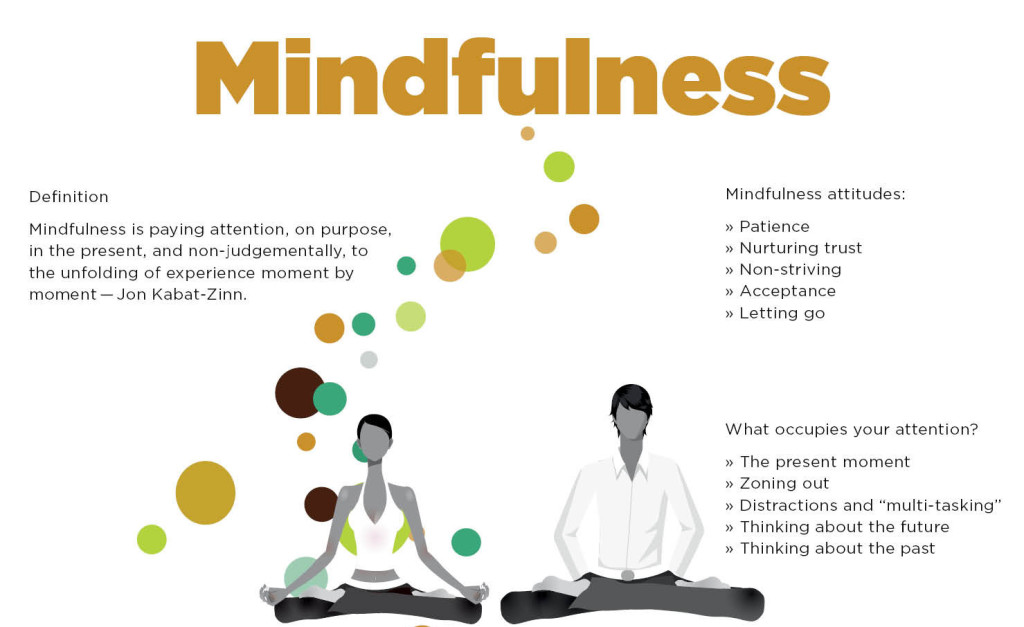
Mindfulness, the practice of intentionally focusing one’s awareness on the present moment, has emerged as a powerful tool for academic achievement. Incorporating mindfulness into your study routine can unlock a host of benefits that enhance your learning capacity and boost exam performance.
1. Improved Concentration and Focus:

Mindfulness helps train your attention to stay present and centered. By reducing distractions and calming mental chatter, you can enhance your ability to concentrate on your studies for extended periods. This focused state promotes deeper understanding and retention of information.
2. Reduced Stress and Anxiety:
Exam stress can significantly impair your cognitive abilities. Mindfulness practices, such as meditation and deep breathing, activate the parasympathetic nervous system, which helps reduce stress and anxiety levels. By managing these emotions, you create a calmer and more conducive learning environment.
3. Enhanced Memory Recall:
Mindfulness improves working memory, which is crucial for storing and retrieving information. By regularly practicing mindfulness, you strengthen the neural pathways responsible for memory formation. This enhances your ability to recall key concepts and facts during exams.
4. Increased Motivation:
Mindfulness can foster a sense of purpose and motivation in your studies. By connecting with your present moment, you can appreciate the value of your learning and develop a deeper commitment to achieving your goals. This intrinsic motivation drives you to persist through challenges and stay focused on your studies.
5. Improved Sleep Quality:
Optimal sleep is essential for cognitive performance. Mindfulness reduces stress and promotes relaxation, which can improve the quality and duration of your sleep. This ensures that you are well-rested and alert when it comes time to study or take exams.
How to Incorporate Mindfulness into Your Studying:
- Mindful Breathing: Take a few minutes to focus on your breath, noticing the rise and fall of your chest and abdomen. Observe any sensations or thoughts that arise without judgment.
- Walking Meditation: As you walk, pay attention to the sensations of your body moving. Notice the ground beneath your feet and the surroundings around you.
- Mindful Study Breaks: During study sessions, take short breaks to practice mindfulness. Step away from your desk, stretch, or engage in a brief period of meditation.
- Mindful Note-Taking: As you take notes, focus on the present moment and actively engage with the material. Write down key points and reflect on their significance rather than passively copying information.
Conclusion:
Mindfulness is a powerful tool that can transform your studying experience. By incorporating these practices into your routine, you can improve your concentration, reduce stress, enhance memory recall, increase motivation, and improve sleep quality. These benefits will ultimately lead to greater exam success and a more fulfilling academic journey. Embrace mindfulness to unlock your full academic potential and achieve your educational goals.## Exam Success Secrets: Unveiling The Role Of Mindfulness In Studying
Despite being one of the most important factors in academic success, many students struggle with studying effectively. This is often due to a lack of focus, motivation, and stress management skills. Mindfulness is a powerful tool that can help students overcome these challenges and achieve their academic goals.
Executive Summary
This article explores the role of mindfulness in studying and provides practical tips for students on how to incorporate mindfulness into their study routine.
Introduction
Mindfulness is the practice of paying attention to the present moment without judgment. When we are mindful, we are aware of our thoughts, feelings, and bodily sensations without getting caught up in them. This allows us to stay focused, motivated, and calm, even in the face of distractions and stress.
FAQs
- What is mindfulness?
Mindfulness is the practice of paying attention to the present moment without judgment. - How can mindfulness help me with my studies?
Mindfulness can help you stay focused, motivated, and calm, even in the face of distractions and stress. - How can I incorporate mindfulness into my study routine?
There are many ways to incorporate mindfulness into your study routine, such as taking breaks to meditate, doing breathing exercises, or simply paying attention to your thoughts and feelings without judgment.
Top 5 Subtopics
- Focus
- Mindfulness can help you stay focused by:
- Anchoring your attention to the present moment
- Reducing distractions
- Improving your concentration
- Increasing your working memory
- Mindfulness can help you stay focused by:
- Motivation
- Mindfulness can help you stay motivated by:
- Increasing your self-awareness
- Helping you identify and overcome your obstacles
- Building your resilience
- Increasing your sense of purpose
- Mindfulness can help you stay motivated by:
- Stress Management
- Mindfulness can help you manage stress by:
- Reducing your anxiety
- Improving your coping mechanisms
- Helping you relax
- Improving your sleep
- Mindfulness can help you manage stress by:
- Time Management
- Mindfulness can help you manage your time by:
- Increasing your awareness of your time usage
- Helping you prioritize your tasks
- Reducing your procrastination
- Improving your decision making
- Mindfulness can help you manage your time by:
- Memory
- Mindfulness can help you improve your memory by:
- Reducing your stress levels
- Improving your concentration
- Increasing your attention to detail
- Improving your ability to recall information
- Mindfulness can help you improve your memory by:
Conclusion
Mindfulness is a powerful tool that can help students overcome the challenges of studying and achieve their academic goals. By incorporating mindfulness into your study routine, you can improve your focus, motivation, stress management skills, and memory. This will lead to better grades, a more positive learning experience, and overall success in your studies.
Keywords
- Mindfulness
- Studying
- Focus
- Motivation
- Stress Management