10 Ways to Improve Time Management Skills While Studying:
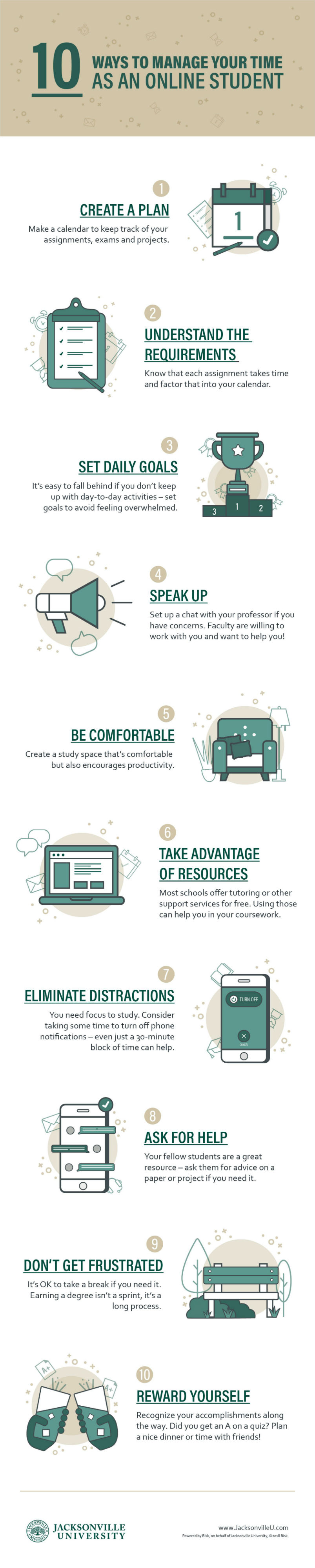
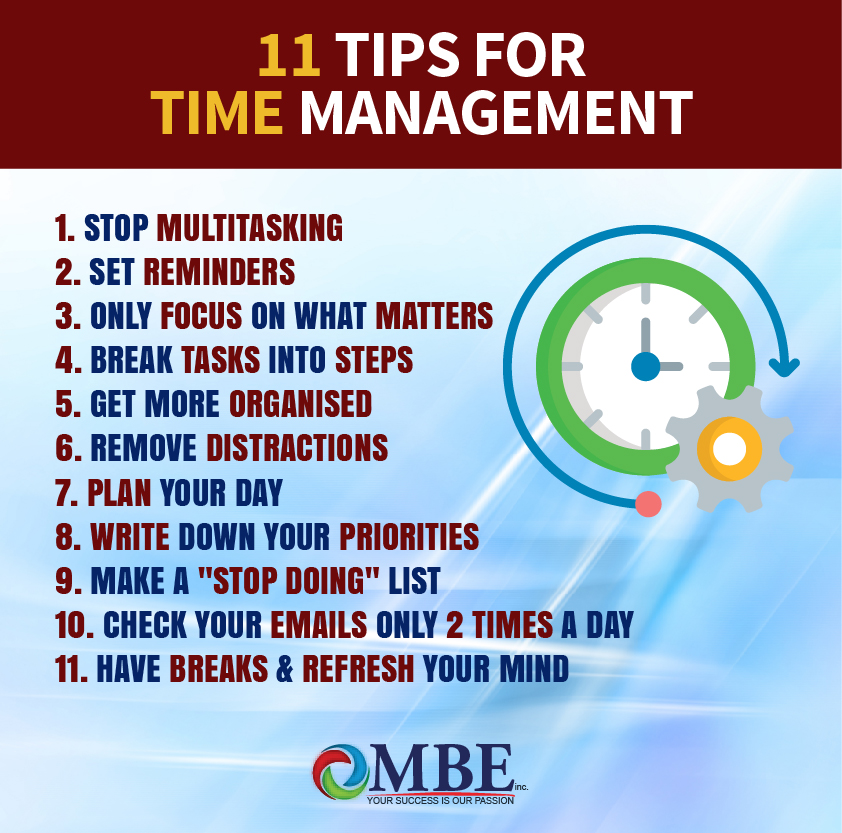
Set Realistic Goals: Break down large assignments into smaller, manageable chunks to avoid feeling overwhelmed.

Prioritize Tasks: Use a to-do list or planner to rank tasks by importance and urgency. Focus on completing the most critical tasks first.

Schedule Your Time: Create a study schedule that allocates specific time slots for studying, breaks, and other activities. Stick to it as much as possible.
Use the Pomodoro Technique: Work for focused intervals (typically 25 minutes) followed by short breaks (5-10 minutes). This helps maintain focus and prevent burnout.
Eliminate Distractions: Create a dedicated study space free from noise, clutter, and other distractions. Use noise-canceling headphones or white noise to minimize distractions.
Delegate and Seek Help: If necessary, consider delegating non-essential tasks to friends or family members to free up your time for studying. Don’t hesitate to ask for help from teachers, classmates, or tutors when needed.
Use Time-Saving Tools: Utilize technology to enhance your productivity, such as note-taking apps, citation generators, and calendar reminders.
Take Breaks: Regular breaks are crucial for maintaining focus and preventing burnout. Step away from studying for short intervals to clear your mind and recharge.
Get Enough Sleep: Sufficient sleep is essential for cognitive function and overall well-being. Aim for 7-9 hours of sleep each night.
Evaluate and Adjust: Regularly assess your time management strategies and make adjustments as needed. Identify what works and what doesn’t, and refine your approach accordingly.## 10 Ways To Improve Your Time Management Skills While Studying
Executive Summary
For students, the ability to manage time effectively is a crucial skill that can significantly impact academic success and personal well-being. This article presents ten proven strategies to improve time management skills, enabling students to optimize their study time, reduce stress, and achieve their academic goals efficiently.
Introduction
In the demanding academic environment, students often find themselves overwhelmed by the relentless workload, competing deadlines, and extracurricular activities. Without proper time management techniques, it can be challenging to balance these responsibilities effectively, leading to procrastination, stress, and diminished academic performance.
FAQ
1. Why is time management important for students?
Time management allows students to prioritize tasks, allocate time wisely, and meet deadlines effectively. It reduces stress, improves grades, and allows for a better balance between academic and personal life.
2. What are common challenges students face in managing their time?
Procrastination, lack of motivation, distractions, poor planning, and ineffective study habits are common challenges students encounter when managing their time.
3. How can I overcome procrastination and improve my time management skills?
Break down large tasks into smaller, manageable chunks, set clear goals, reward yourself for completed tasks, and minimize distractions during study sessions.
5 Subtopics
1. Planning and Prioritization
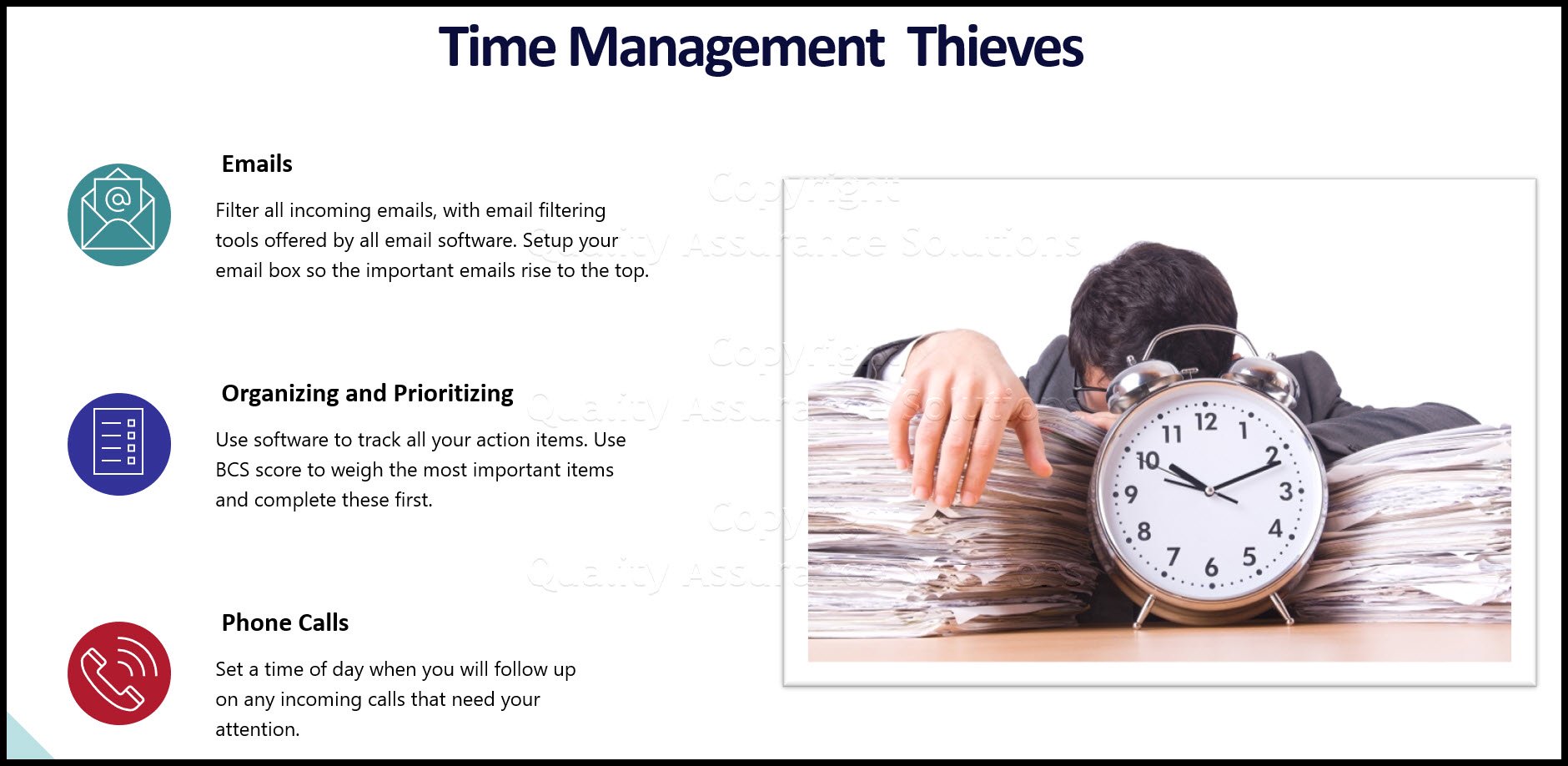
Effective time management begins with a well-structured plan. Create a daily or weekly to-do list, prioritizing tasks based on importance and urgency. Use a calendar or planner to schedule study sessions, appointments, and other commitments.
- Break down assignments: Divide large projects into smaller, manageable chunks to make them less daunting and easier to tackle.
- Use a planner: Keep track of deadlines, appointments, and study sessions in a physical or digital planner.
- Prioritize tasks: Determine the most important and urgent tasks and focus on completing them first.
2. Goal Setting and Motivation
Clear and specific goals provide direction and motivation for effective time management. Set realistic academic goals, both short-term and long-term, and break them down into smaller, actionable steps.
- Set SMART goals: Goals should be Specific, Measurable, Achievable, Relevant, and Time-bound.
- Break down goals: Divide long-term goals into smaller, manageable steps to maintain motivation and avoid feeling overwhelmed.
- Reward yourself: Celebrate accomplishments to stay motivated and acknowledge progress.
3. Time Blocking and Scheduling
Allocate dedicated time slots for different activities, such as studying, attending classes, and socializing. Stick to the schedule as much as possible to establish a routine and avoid distractions.
- Use a time blocking technique: Divide the day into specific time slots for different activities.
- Follow the schedule: Adhere to the schedule to avoid procrastination and ensure completion of tasks.
- Take breaks: Schedule short breaks throughout the day to recharge and maintain focus.
4. Minimizing Distractions and Procrastination
Identify and eliminate distractions during study sessions. Create a study space free from interruptions, such as social media, noise, or clutter. Use apps or techniques to block distractions and minimize procrastination.
- Identify distractions: Determine what factors distract you during study sessions.
- Create a distraction-free zone: Establish a dedicated study space free from distractions.
- Use technology to your advantage: Utilize apps or techniques to block distracting websites and social media.
5. Effective Study Habits
Adopt active and efficient study methods to maximize productivity during study sessions. Take notes during lectures, review material regularly, and engage in active recall techniques to improve retention.
- Take effective notes: Use different note-taking techniques to enhance understanding and retention.
- Review material regularly: Regularly revise and reinforce the information learned to improve recall.
- Use active recall techniques: Test yourself on the material through flashcards, practice questions, or self-explanations.
Conclusion
Improving time management skills is essential for students to succeed in their academic endeavors. By implementing these ten strategies, students can optimize their study time, reduce stress, and achieve their academic goals efficiently. Remember, time management is a skill that requires practice and consistency. With dedication and effort, students can master the art of time management and unlock their full academic potential.
Keyword Tags
- Time Management for Students
- Study Skills
- Time Management Techniques
- Effective Studying
- Academic Success