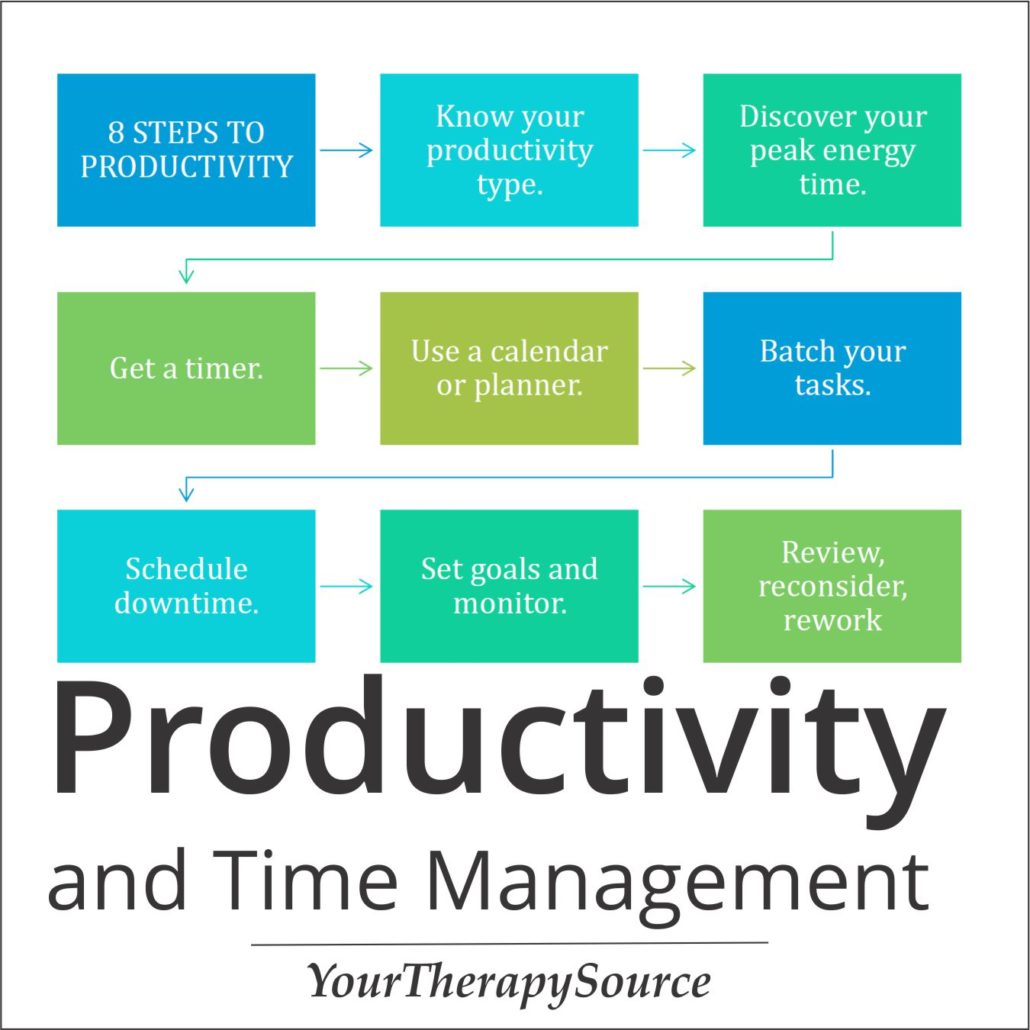
Mindful Prioritization: A Path to Enhanced Productivity and Time Management
Mindful prioritization is a crucial skill for optimizing productivity and time management. It involves consciously identifying the most important tasks, allocating time effectively, and focusing on high-priority activities to achieve maximum results. Here’s a guide to mindful prioritization:
1. Identify Your Values and Goals:

- Determine what is truly important to you and align your priorities accordingly.
- Consider your long-term objectives and how specific tasks contribute to them.
2. Create a Master Task List:
- Jot down all tasks that need attention.
- Include both short-term and long-term goals.
- Use a physical planner, digital app, or a combination of both for optimal organization.
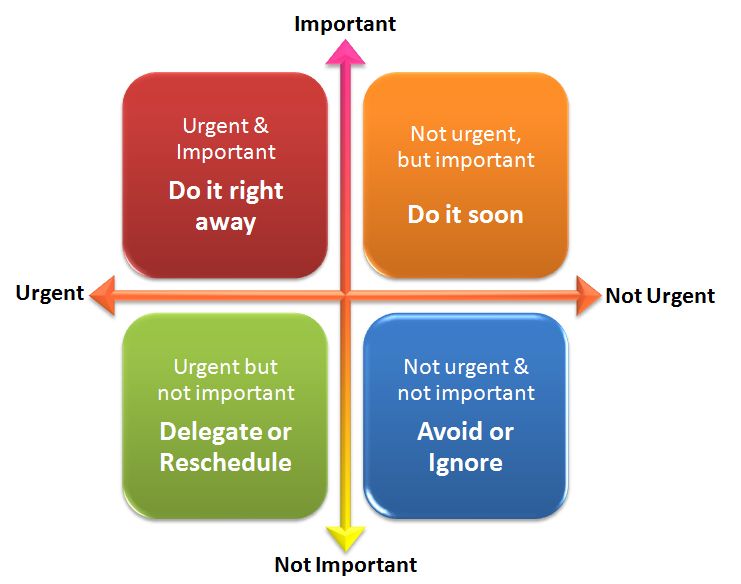
3. Apply the Eisenhower Matrix:
- Categorize tasks based on urgency and importance:
- Urgent and Important: Tackle these tasks immediately.
- Important but Not Urgent: Schedule these tasks for the near future.
- Urgent but Not Important: Delegate or defer these tasks.
- Not Urgent and Not Important: Eliminate these tasks.
4. Use the ABCDE Method:
- Prioritize tasks from most to least important:
- A: Critical tasks that must be completed today.
- B: Important tasks that should be completed within the week.
- C: Less urgent tasks that can be completed within the month.
- D: Low-priority tasks that can be delegated or postponed.
- E: Tasks that can be eliminated or outsourced.
5. Allocate Time Wisely:
- Determine how much time each task deserves based on its priority.
- Use a time-tracking tool to monitor your progress and adjust accordingly.
- Consider the “Pomodoro Technique” to break down tasks into manageable intervals.
6. Focus on High-Priority Activities:
- Dedicate your most productive hours to tackling the most important tasks.
- Minimize distractions and create a focused work environment.
- Avoid multitasking and focus on completing one task at a time.
7. Delegate and Outsource:
- Identify tasks that can be assigned to others to free up your time for high-priority activities.
- Consider outsourcing tasks that fall outside your core competencies.
8. Re-Evaluate and Adjust:
- Regularly review your priorities and time allocation.
- Adjust as needed to ensure that you are on track with your goals.
- Don’t hesitate to make changes to improve your efficiency and productivity.
Benefits of Mindful Prioritization:
- Enhanced productivity: Focus on high-value tasks that contribute to your goals.
- Improved time management: Efficiently allocate time to the most important activities.
- Reduced stress: Eliminate unnecessary tasks and focus on what truly matters.
- Increased satisfaction: Accomplishing high-priority tasks provides a sense of accomplishment.
- Greater alignment: Ensure that your actions align with your values and long-term objectives.
By embracing mindful prioritization, you can increase your productivity, optimize your time management, and achieve greater success in all areas of your life.## Mindful Prioritization: Maximizing Productivity And Time Management
Executive Summary
Mindful prioritization is a crucial skill for optimizing productivity and effectively managing time. By consciously allocating attention to the most important tasks, individuals can achieve greater focus, minimize distractions, and maximize their impact. This article delves into the key principles of mindful prioritization, providing practical strategies for implementing them in both personal and professional settings.
Introduction
In today’s fast-paced world, it has become increasingly challenging to navigate the constant flow of tasks and distractions. Mindful prioritization offers a solution to this overwhelming environment, empowering individuals to gain clarity and control over their time. By adopting a deliberate and thoughtful approach to identifying and prioritizing tasks, it is possible to achieve greater productivity, reduce stress, and lead a more fulfilling life.
FAQs
What is the difference between urgent and important tasks?
- Urgent tasks demand immediate attention, while important tasks contribute to long-term goals and objectives.
How can I identify my most important tasks?
- Use the Eisenhower Matrix to categorize tasks based on urgency and importance.
How do I stay focused on my priorities?
- Implement time-blocking techniques, create designated workspaces, and minimize distractions.
Subtopics
1. The Eisenhower Matrix
The Eisenhower Matrix is a tool for prioritizing tasks based on their urgency and importance. Tasks are categorized into four quadrants:
- Urgent and Important: Tasks that require immediate attention.
- Urgent and Not Important: Tasks that may be time-sensitive but do not contribute to long-term goals.
- Not Urgent and Important: Essential tasks that can be scheduled for later.
- Not Urgent and Not Important: Tasks that are likely to waste time and should be eliminated.
2. The Pomodoro Technique
The Pomodoro Technique is a time management method that alternates between focused work sessions and short breaks.
- Focus Periods: Typically 25 minutes of uninterrupted work.
- Short Breaks: 5-minute breaks to reset and refresh.
- Long Breaks: 15-30 minute breaks every four focus periods.
3. Parkinson’s Law
Parkinson’s Law states that “work expands to fill the time available for its completion.” To prevent procrastination, it is important to:
- Set Realistic Deadlines: Break large tasks into smaller, manageable chunks.
- Use Time-Blocking: Schedule specific time slots for each task.
- Avoid Procrastination Techniques: Avoid distractions such as social media and aim to start tasks immediately.
4. The 2-Minute Rule
The 2-Minute Rule dictates that if a task can be completed in two minutes or less, it should be done immediately rather than postponed. This prevents small tasks from accumulating and overwhelming schedules.
5. The 80/20 Principle
The 80/20 Principle suggests that 80% of results come from 20% of efforts. To prioritize effectively, focus on tasks that:
- Contribute significantly to goals.
- Can be completed quickly and efficiently.
- Hold the greatest potential for positive impact.
Conclusion
Mindful prioritization is an indispensable skill for maximizing productivity and time management. By employing the principles and techniques outlined in this article, individuals can achieve greater clarity, focus, and effectiveness in both their personal and professional endeavors. Remember that mindful prioritization is a journey, not a destination, and requires consistent effort and practice. By embracing the power of conscious choice, it is possible to transform time into a valuable asset, leading to a more fulfilling and productive life.
Keyword Tags
- Mindful Prioritization
- Time Management
- Eisenhower Matrix
- Pomodoro Technique
- 80/20 Principle