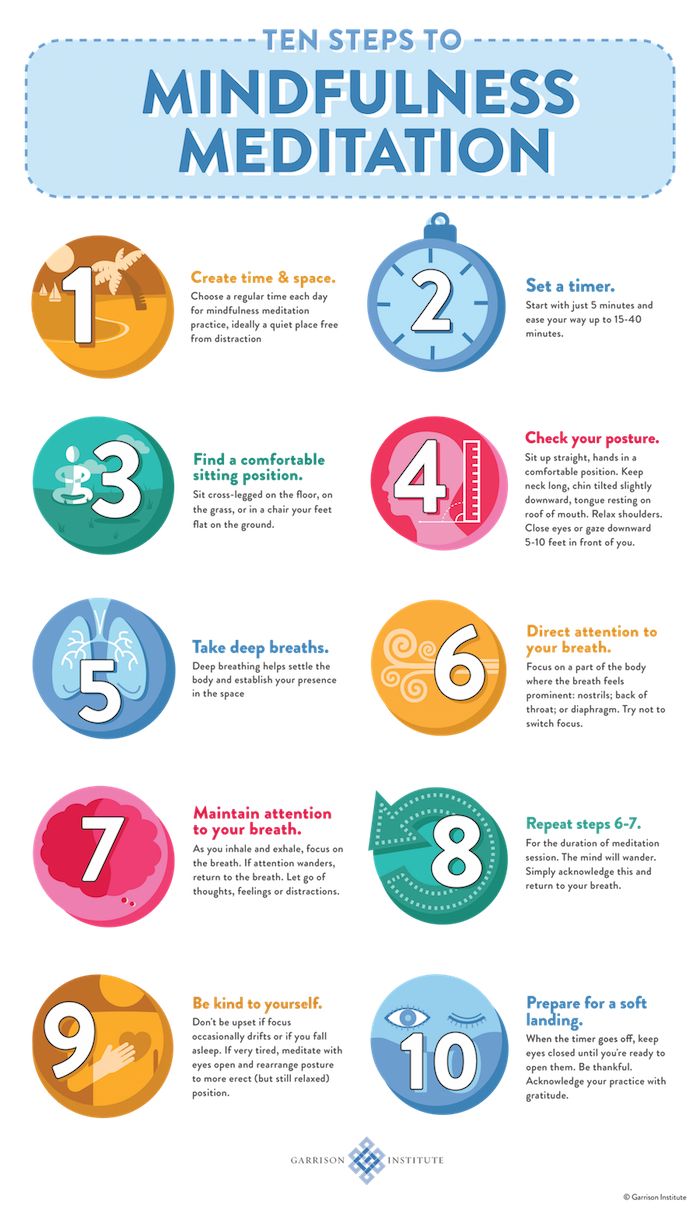
1. Check in with Your Present Moment:
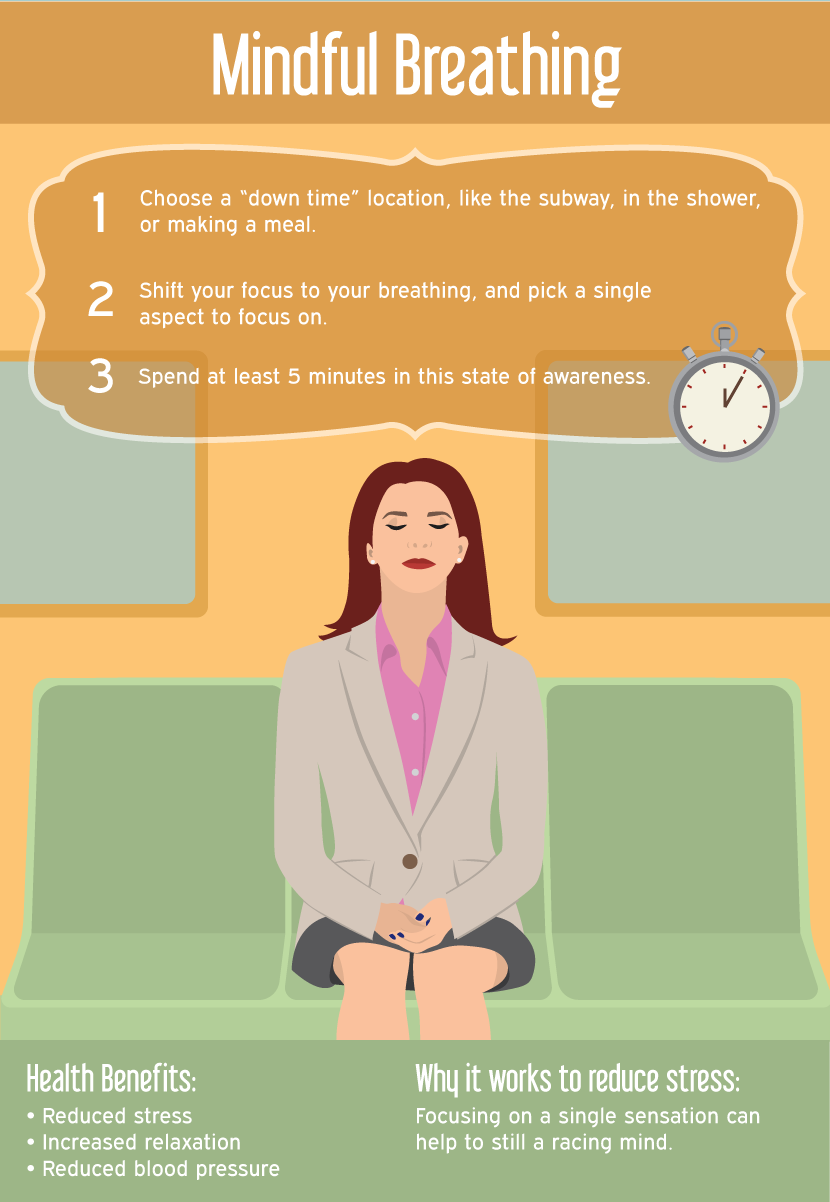
- Take a few moments to close your eyes and connect with your breath.
- Observe your thoughts and feelings without judgment.
- This helps you become aware of potential distractions and focus on the task at hand.
2. Prioritize Mindfully:
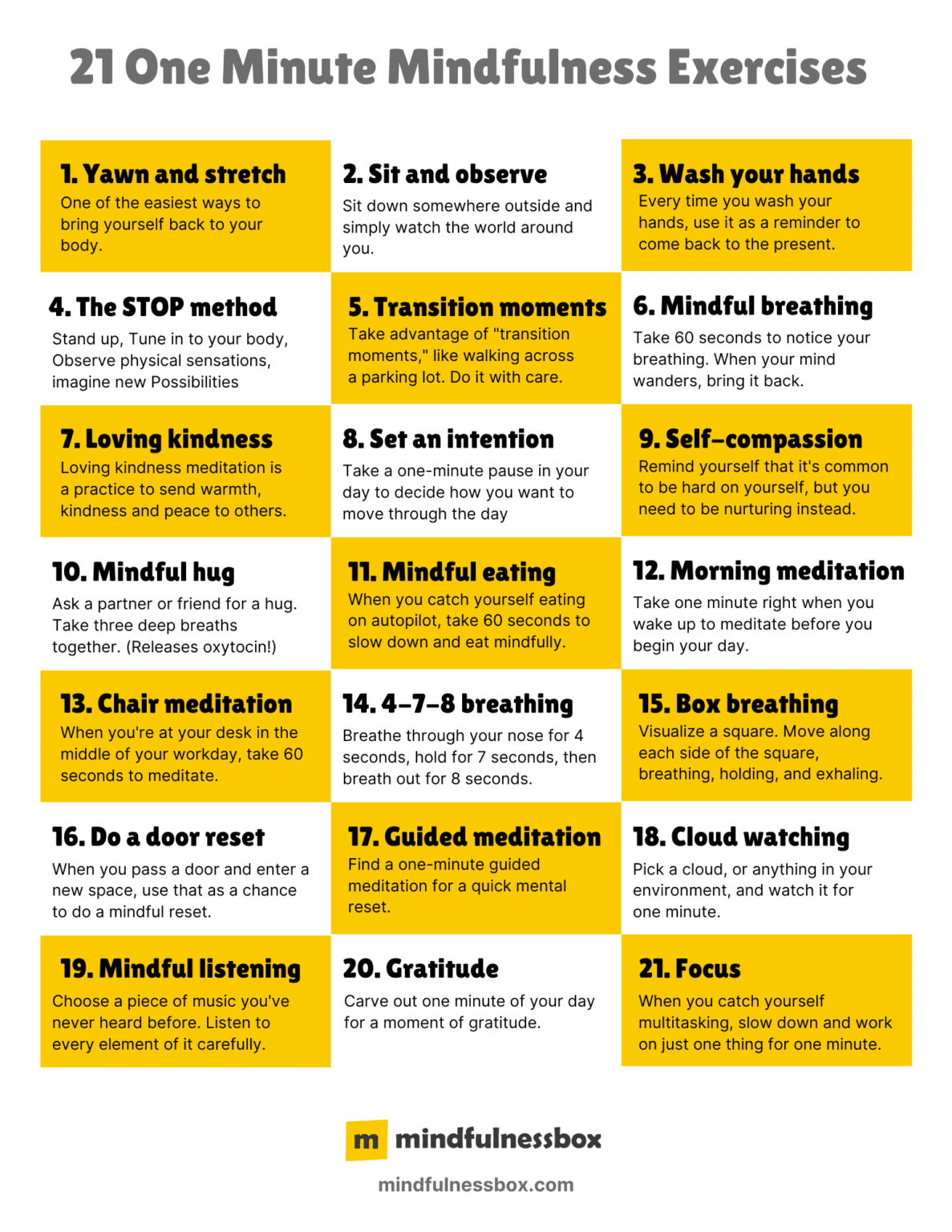
- Use the Eisenhower Matrix or similar tools to categorize tasks based on urgency and importance.
- Choose the most important task and give it your undivided attention.
- By using mindfulness, you avoid being overwhelmed by the number of tasks and make more thoughtful decisions.
3. Time Blocking:
- Break down your day into blocks dedicated to specific tasks or activities.
- Stick to the plan as much as possible, but be flexible enough to adjust if necessary.
- This technique helps you allocate time effectively and create a sense of structure.
4. Focused Work Sessions:
- Use the Pomodoro Technique or similar methods to work for focused intervals of time (e.g., 25 minutes) followed by short breaks.
- During these intervals, minimize distractions and stay present in the task.
- Mindfulness helps you maintain focus for longer periods.
5. Mindful Break Time:
- Take short breaks throughout the day to disconnect from work and recharge.
- Use these breaks to stretch, meditate, or engage in activities that clear your mind.
- This prevents burnout and improves productivity.
6. Declutter Your Environment:
- Remove distractions from your workspace, such as unnecessary clutter or noise.
- Use noise-canceling headphones or create a designated work area to minimize distractions.
- Mindfulness helps you create a more conducive environment for focused work.
7. Celebrate Your Accomplishments:
- Take time to acknowledge your successes and celebrate your progress.
- This builds a sense of satisfaction and motivates you to continue practicing mindfulness.
- Recognize that setbacks are part of the process and learn from them.
Additional Tips:
- Use technology wisely: Set limits on social media and email notifications to minimize distractions.
- Practice self-compassion: Be patient with yourself and don’t get discouraged if you slip up.
- Make mindfulness a habit: Integrate mindfulness into your daily routine through meditation, journaling, or other mindfulness exercises.
- Seek support: Join a mindfulness group or consult a mindfulness teacher to enhance your practice and accountability.## Mindfulness Techniques For Optimal Time Management
Executive Summary
Mindfulness is the practice of being present and aware in the current moment. It can be a powerful tool for time management, as it helps us to focus on the task at hand and avoid distractions. When we are mindful, we are less likely to procrastinate or get sidetracked, and we are more likely to make good use of our time.
Introduction
In today’s fast-paced world, it is more important than ever to be able to manage our time effectively. With so many demands on our time, it can be difficult to stay focused and on track. Mindfulness can help us to do just that.
FAQ
1. What is mindfulness?
Mindfulness is the practice of being present and aware in the current moment. It involves paying attention to our thoughts, feelings, and bodily sensations without judgment.
2. How can mindfulness help me manage my time?
Mindfulness can help us manage our time by:
- Improving our focus and concentration
- Reducing distractions
- Increasing our productivity
- Helping us to make better decisions
- Reducing stress and anxiety
3. How can I practice mindfulness in my daily life?
There are many ways to practice mindfulness in your daily life. Some simple techniques include:
- Meditation: Sit quietly for a few minutes each day and focus on your breath.
- Mindfulness apps: There are many mindfulness apps available that can help you learn meditation and other mindfulness techniques.
- Mindfulness exercises: There are many mindfulness exercises that you can do throughout the day, such as mindful eating, mindful walking, or mindful listening.
Top 5 Subtopics for Mindfulness and Time Management
1. The Importance of Prioritizing
Prioritizing is one of the most important aspects of time management. When we prioritize, we decide which tasks are most important and need to be done first. This helps us to focus our time and energy on the most important things.
Key Points:
- Prioritizing helps us to focus our time and energy on the most important things.
- There are many different ways to prioritize tasks, such as the Eisenhower Matrix or the ABCDE Method.
- It is important to be flexible with our priorities, as they can change depending on our circumstances.
2. The Power of Focus
Focus is the ability to concentrate our attention on a single task. When we are focused, we are more productive and less likely to make mistakes. Mindfulness can help us to improve our focus by training our minds to stay present and avoid distractions.
Key Points:
- Focus is essential for productivity and efficiency.
- There are many different techniques that can help us to improve our focus, such as meditation, mindfulness exercises, and the pomodoro technique.
- It is important to take breaks throughout the day to avoid burnout.
3. The Benefits of Delegation
Delegation is the ability to assign tasks to others. This can free up our time so that we can focus on the most important tasks. Delegation can be challenging, but it is an essential skill for effective time management.
Key Points:
- Delegation can free up our time so that we can focus on the most important tasks.
- It is important to choose the right tasks to delegate and to give clear instructions.
- It is also important to be supportive of the people to whom we delegate tasks.
4. The Importance of Time Blocking
Time blocking is a time management technique that involves scheduling specific time slots for different tasks. This can help us to stay organized and focused throughout the day. Time blocking can be especially helpful for people who have a lot of different tasks to complete.
Key Points:
- Time blocking can help us to stay organized and focused throughout the day.
- It is important to be realistic when scheduling time blocks.
- It is also important to be flexible with our time blocks, as they can change depending on our circumstances.
5. The Power of Reflection
Reflection is the process of taking time to think about our progress. This can help us to identify areas where we can improve our time management skills. Reflection can also help us to stay motivated and on track.
Key Points:
- Reflection can help us to identify areas where we can improve our time management skills.
- It is important to be honest with ourselves when we reflect on our progress.
- It is also important to be patient and persistent, as it takes time to improve our time management skills.
Conclusion
Mindfulness is a powerful tool for time management. By practicing mindfulness, we can improve our focus, concentration, and productivity. We can also reduce distractions, make better decisions, and reduce stress and anxiety. If you are looking to improve your time management skills, mindfulness is a great place to start.
Keyword Tags
- Mindfulness
- Time management
- Productivity
- Focus
- Delegation