
Mindfulness in the Workplace: Harnessing Time Management for Professional Success
Introduction
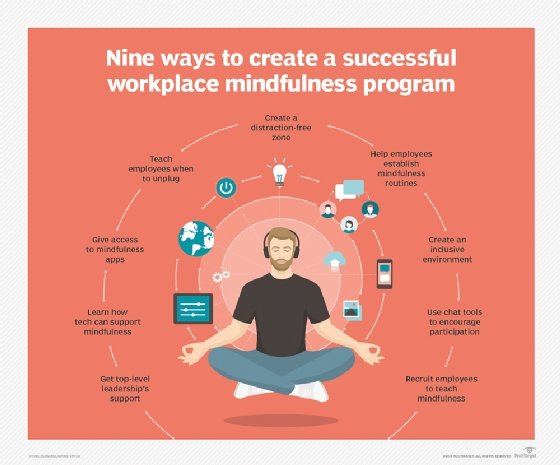
In today’s fast-paced work environment, it’s easy to feel overwhelmed and distracted. Mindfulness can help us stay present, focused, and productive, enabling us to make the most of our time and achieve our goals.

Benefits of Mindfulness for Time Management
- Improved Focus: Mindfulness enhances our ability to concentrate on the present task, reducing distractions and increasing efficiency.
- Reduced Stress and Anxiety: Mindfulness techniques help calm the mind, reducing stress and anxiety levels that can hinder time management.
- Enhanced Awareness of Time: Mindfulness makes us more attuned to the passage of time, allowing us to allocate our resources more effectively.
- Increased Productivity: By improving focus and reducing stress, mindfulness promotes greater productivity and task completion.
Practical Mindfulness Techniques
- Mindful Breathing: Take a few deep breaths throughout the day, focusing on the sensation of air flowing in and out of your body.
- Body Scan Meditation: Pay attention to different sensations throughout your body, from your toes to your head. Notice any areas of tension or relaxation.
- Gratitude Journal: Take time each day to reflect on things you are grateful for. This helps shift your perspective and promote a positive mindset.
Time Management Strategies
- Prioritize Tasks: Use the Eisenhower Matrix to categorize tasks based on importance and urgency, focusing on the most critical ones first.
- Time Blocking: Schedule specific time slots for different tasks throughout the day, ensuring that important activities get completed.
- Delegate and Outsource: Identify tasks that can be delegated or outsourced to free up your time for more strategic work.
- Take Breaks: Regular breaks throughout the day help prevent burnout and improve focus. Use these breaks for mindful breathing or meditation.
- Mindful Decision-Making: Before making important decisions, take a moment to pause and consider the potential impact on your time and resources.
Conclusion
By incorporating mindfulness into our time management practices, we can harness its benefits to enhance our productivity, reduce stress, and achieve greater professional success. Remember that mindfulness is a continuous practice that requires consistency and patience. With regular effort, you can cultivate a more mindful and efficient approach to your work life.## Mindfulness In The Workplace: Harnessing Time Management For Professional Success
Executive Summary
This article explores mindfulness, a practice that involves present-moment awareness, as a transformative tool for effective time management in the workplace. It highlights the benefits of mindfulness for improved focus, enhanced productivity, reduced stress, and increased resilience, ultimately leading to professional success.
Introduction
In the fast-paced and demanding work environment, time management is a crucial skill for achieving personal and team goals. Traditional approaches often focus on external techniques and tools, overlooking the internal resources that can significantly enhance our ability to manage time wisely. Mindfulness, a technique rooted in ancient practices, offers a unique and powerful perspective on time management, empowering individuals to harness the present moment for greater productivity and well-being.
FAQs
1. What is mindfulness?
Mindfulness is a practice that cultivates present-moment awareness, free from judgments or distractions. It involves paying attention to the present moment with intention and curiosity, leading to a deeper understanding of thoughts, feelings, and sensations.
2. How does mindfulness improve time management?
Mindfulness fosters improved focus by reducing distractions and mental clutter. It enhances decision-making by providing a clear and calm perspective. By reducing stress and anxiety, mindfulness allows for more efficient use of time and energy.
3. Is mindfulness difficult to implement in the workplace?
Mindfulness can be integrated into the workplace with simple practices. Incorporating short periods of meditation, practicing focused breathing exercises, or engaging in mindful walks during breaks can initiate the benefits of mindfulness.
Subtopics
1. Enhanced Focus and Reduced Distractions
- Increased attention span and concentration: Mindfulness improves cognitive function, enabling sustained focus and reduced susceptibility to interruptions.
- Elimination of mental clutter: Mindfulness helps declutter the mind, reducing distractions caused by overthinking, rumination, or irrelevant thoughts.
- Improved clarity: Mindfulness fosters a clear and calm mental space, facilitating better decision-making and strategic thinking.
2. Efficient Task Management and Prioritization
- Increased efficiency: Mindfulness allows individuals to approach tasks with greater awareness and intention, leading to more efficient execution.
- Improved prioritization: Mindfulness clarifies priorities by helping individuals connect with their values and long-term goals.
- Reduced procrastination: Mindfulness helps overcome the tendency to procrastinate by bringing awareness to underlying fears or resistance.
3. Emotional Regulation and Stress Reduction
- Increased emotional resilience: Mindfulness fosters emotional regulation, allowing individuals to manage stress and anxiety effectively.
- Reduced overwhelm: Mindfulness provides a sense of calm and control, helping individuals cope with demanding workloads and pressure.
- Improved well-being: Mindfulness contributes to overall well-being by reducing stress, improving sleep, and promoting positive mental health.
4. Increased Productivity and Energy Management
- Improved time utilization: Mindfulness enhances the ability to allocate time wisely, leading to increased productivity.
- Reduced burnout: Mindfulness prevents burnout by promoting sustainable energy levels and reducing emotional exhaustion.
- Enhanced creativity and innovation: Mindfulness fosters a receptive and open mindset, encouraging creative thinking and innovative solutions.
5. Improved Communication and Teamwork
- Increased active listening: Mindfulness improves communication by promoting active listening and empathetic understanding.
- Enhanced conflict resolution: Mindfulness facilitates constructive conflict resolution by fostering emotional regulation and promoting a collaborative mindset.
- Stronger teamwork: Mindfulness creates a cohesive and supportive work environment, fostering collaboration and mutual respect.
Conclusion
Incorporating mindfulness into time management practices in the workplace empowers individuals to achieve both professional success and personal well-being. By cultivating present-moment awareness, reducing distractions, and enhancing focus, mindfulness improves time utilization, promotes efficient task management, and reduces stress. It fosters emotional resilience, increases productivity, and stimulates creativity. Mindfulness equips individuals with the tools to navigate the demands of the modern workplace with greater clarity, effectiveness, and fulfillment.
Keyword Tags
- Mindfulness in the Workplace
- Time Management
- Enhanced Focus
- Emotional Regulation
- Productivity