
The Mindful Approach to Time Management
Introduction
In today’s fast-paced world, time seems to slip away before we know it. Time management techniques abound, but many overlook the importance of mindfulness. This article explores the mindful approach to time management, a holistic method that empowers individuals to find balance and productivity amidst the chaos.
Principles of Mindful Time Management
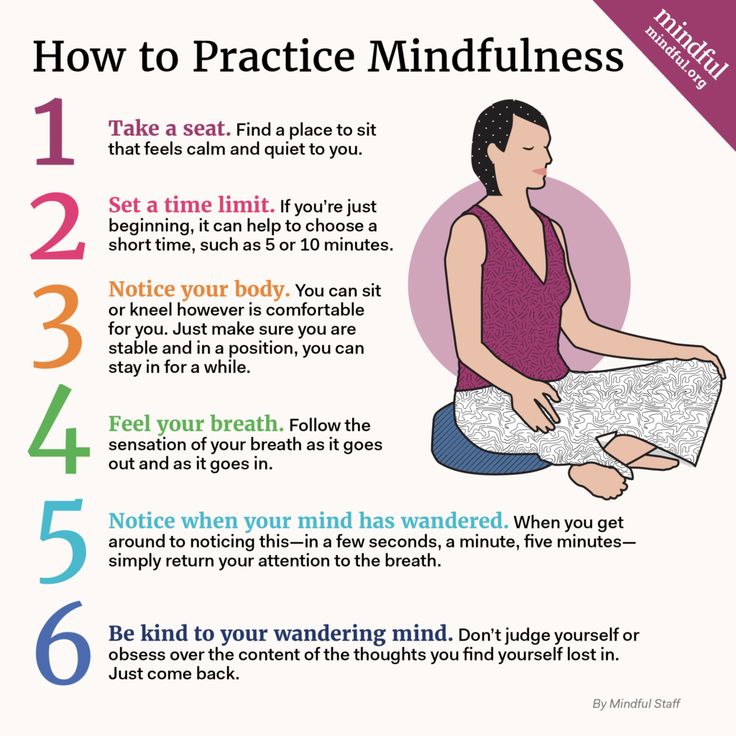
- Present Focus: Instead of dwelling on the past or worrying about the future, focus on the present moment. This allows for clearer decision-making and efficient task completion.
- Intentionality: Set clear and specific intentions for your time. Identify priorities and allocate time accordingly, avoiding distractions that derail your focus.
- Acceptance: Embrace the unpredictable nature of life. Instead of fighting against disruptions, learn to adjust and accommodate them mindfully.
- Non-Judgment: Refrain from beating yourself up when things don’t go to plan. Instead, acknowledge setbacks and learn from them without negative self-talk.
- Self-Compassion: Treat yourself with kindness and understanding. Recognize that you are not perfect and that it’s okay to make mistakes in your time management.
Benefits of Mindful Time Management

- Increased Productivity: By focusing on the present and eliminating distractions, you can work more efficiently and get more done in less time.
- Improved Decision-Making: Mindfulness helps you think clearly and make well-informed decisions about how to allocate your time.
- Reduced Stress: When you learn to manage your time mindfully, you can reduce feelings of overwhelm and anxiety.
- Enhanced Well-being: By prioritizing self-care and non-judgment, you can improve your overall mental health and well-being.
- Increased Fulfillment: Mindful time management allows you to make more intentional choices about how you spend your time, leading to a greater sense of purpose and fulfillment.
Practical Techniques
- Time Audit: Track your time for a week or two to identify time wasters and areas for improvement.
- Mindful Planning: Set realistic goals and break them down into smaller, manageable tasks. Prioritize tasks based on their importance and urgency.
- Scheduled Breaks: Take regular breaks throughout the day to refresh your mind and prevent burnout. Use these breaks to practice mindfulness techniques such as deep breathing or meditation.
- Mindful Delegation: Learn to delegate tasks effectively to others to free up your own time for more important activities.
- Technology Detox: Schedule time each day to disconnect from electronic devices and engage in activities that recharge you.
Conclusion
The mindful approach to time management is a transformative tool that empowers individuals to navigate the complexities of modern life with balance, productivity, and well-being. By embracing the principles of present focus, intentionality, acceptance, non-judgment, and self-compassion, you can create a life where time feels less like a burden and more like a gift.## The Mindful Approach To Time Management: Finding Balance In A Hectic World
Executive Summary
Time is a finite resource that we can never get back. In today’s fast-paced world, it’s more important than ever to use our time wisely. Mindful time management is a strategy that can help us to be more intentional with our time and to find a better balance in our lives.
Introduction
In the hustle and bustle of modern life, it’s easy to feel like we’re constantly running out of time. We’re always trying to squeeze more and more into our schedules, and as a result, we often feel stressed and overwhelmed. Mindful time management is a way of approaching time that can help us to slow down, focus on what’s important, and live more balanced lives. This is a process of paying attention to how we spend our time and making choices that are in alignment with our values and goals. It’s about being present in the moment and making the most of each day.
FAQs
What is mindful time management?
Mindful time management is a strategy that can help us to be more intentional with our time and to find a better balance in our lives. It’s about paying attention to how we spend our time and making choices that are in alignment with our values and goals.
How can I practice mindful time management?
There are many ways to practice mindful time management. Some helpful tips include:
- Set clear goals. What do you want to achieve with your time? Once you know your goals, you can start to make choices that will help you reach them.
- Prioritize your tasks. Not all tasks are created equal. Learn to identify the tasks that are most important and focus on those first.
- Delegate and outsource. You don’t have to do everything yourself. If you can, delegate tasks to others or outsource them to free up your time.
- Take breaks. It’s important to take breaks throughout the day to rest and recharge. Breaks can help you to stay focused and productive.
- Be present. When you’re working, be present in the moment. Don’t multitask or get distracted by other things.
What are the benefits of mindful time management?
There are many benefits to mindful time management, including:
- Reduced stress and anxiety. When you’re mindful of how you spend your time, you’re less likely to feel stressed and overwhelmed.
- Increased productivity. When you focus on the most important tasks and avoid distractions, you’re more likely to be productive.
- Improved work-life balance. Mindful time management can help you to find a better balance between your work and personal life.
- Greater sense of purpose. When you’re intentional with your time, you’re more likely to feel a sense of purpose and fulfillment.
- Increased happiness. When you’re making choices that are in alignment with your values and goals, you’re more likely to be happy.
Key Subtopics
1. Goal Setting
Goal setting is the foundation of mindful time management. When you know what you want to achieve with your time, you can start to make choices that will help you reach your goals.
- Set clear and specific goals. What do you want to achieve? Be as specific as possible.
- Set realistic goals. Don’t set yourself up for failure by setting goals that are too ambitious.
- Set goals that are aligned with your values. What’s important to you? Make sure your goals are in alignment with your values.
- Write down your goals. Writing down your goals makes them more real and tangible.
- Review your goals regularly. As your life changes, so will your goals. Review your goals regularly and make adjustments as needed.
2. Prioritization
Not all tasks are created equal. Some tasks are more important than others. Prioritization is the process of identifying the tasks that are most important and focusing on those first.
- Use the Eisenhower Matrix. The Eisenhower Matrix is a tool that can help you to prioritize your tasks. It divides tasks into four categories: urgent and important, important but not urgent, urgent but not important, and not urgent and not important.
- Use the ABCDE Method. The ABCDE Method is another tool that can help you to prioritize your tasks. It assigns each task a letter value from A to E, with A being the most important task.
- Consider your goals. When prioritizing your tasks, consider your goals. Which tasks will help you to reach your goals?
- Consider the consequences. What are the consequences of not completing a task? Consider the consequences when prioritizing your tasks.
- Be flexible. Prioritization is not a one-size-fits-all approach. Be flexible and adjust your priorities as needed.
3. Time Blocking
Time blocking is a time management technique that involves dividing your day into blocks of time and dedicating each block to a specific task.
- Choose a time blocking method. There are many different time blocking methods to choose from. Experiment with different methods to find one that works for you.
- Be realistic. Don’t try to cram too much into each block of time. Be realistic about how much you can accomplish in each block.
- Take breaks. It’s important to take breaks throughout the day to rest and recharge. Schedule breaks into your time blocks.
- Be flexible. Time blocking is not a rigid system. Be flexible and adjust your schedule as needed.
- Use a calendar. A calendar can help you to visualize your time and to stay organized. Use a calendar to keep track of your time blocks.
4. Delegation and Outsourcing
You don’t have to do everything yourself. If you can, delegate tasks to others or outsource them to free up your time.
- Identify tasks that can be delegated. Not all tasks can be delegated. Identify the tasks that can be delegated and assign them to others.
- Choose the right people to delegate to. When delegating tasks, choose people who are competent and reliable.
- Provide clear instructions. When delegating tasks, provide clear instructions so that the person knows what to do.
- Set deadlines. Set deadlines for delegated tasks so that they get done on time.
- Follow up. Follow up with people who are working on delegated tasks to ensure that they are on track.
5. Mindfulness
Mindfulness is the practice of paying attention to the present moment without judgment. Mindfulness can help us to be more focused, productive, and creative.
- Practice mindfulness meditation. Mindfulness meditation is a simple practice that can help you to develop mindfulness.
- Take mindfulness breaks. Throughout the day, take mindfulness breaks to focus on the present moment.
- Be present when you’re working. When you’re working, be present in the moment. Don’t multitask or get distracted by other things.
- Be mindful of your thoughts and feelings. Pay attention to your thoughts and feelings without judgment.
- Be kind to yourself. When you’re practicing mindfulness, be kind to yourself. Don’t judge yourself for your thoughts or feelings.
Conclusion
Mindful time management is a powerful tool that can help us to live more balanced and fulfilling lives. By setting clear goals, prioritizing our tasks, using time blocking, delegating and outsourcing, and practicing mindfulness, we can all improve our relationship with time.
Keyword Tags
- Time management
- Mindful time management
- Productivity
- Work-life balance
- Mindfulness