Gamification: Engaging Students Through AI-Enhanced Learning
Artificial intelligence (AI) is revolutionizing the educational landscape, opening up new avenues for student engagement and motivation. By incorporating gamification principles into AI-powered learning experiences, educators can create immersive and interactive environments that foster a love of learning.
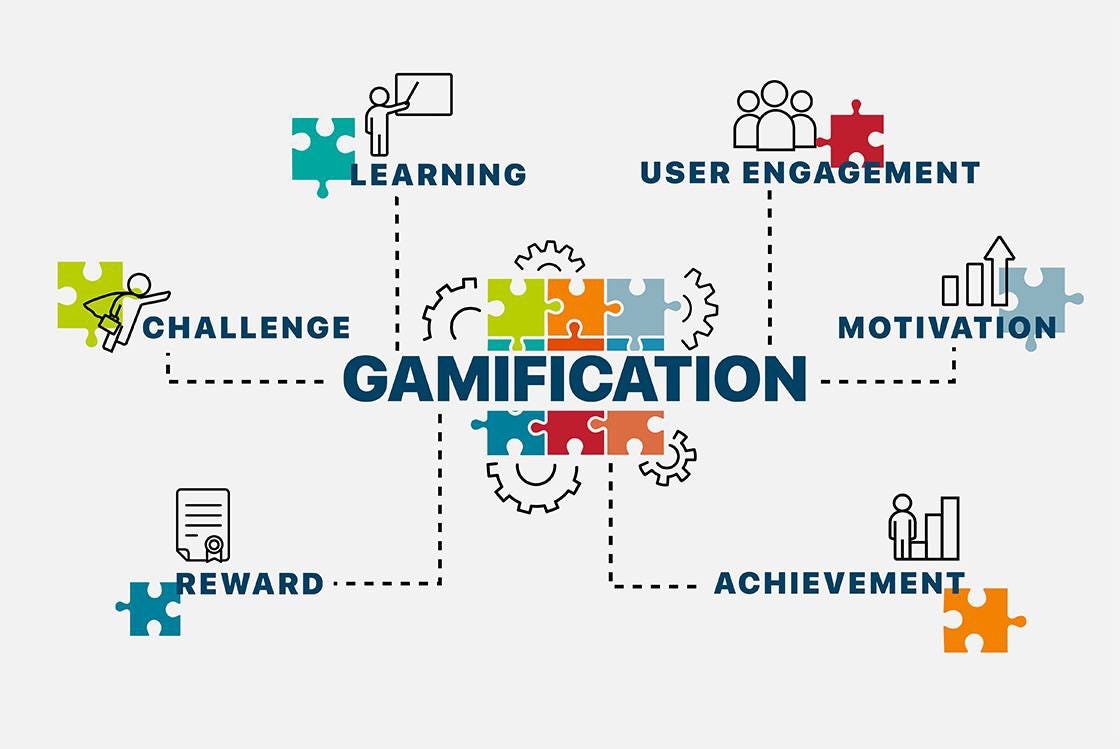
AI-Powered Gamification Features:
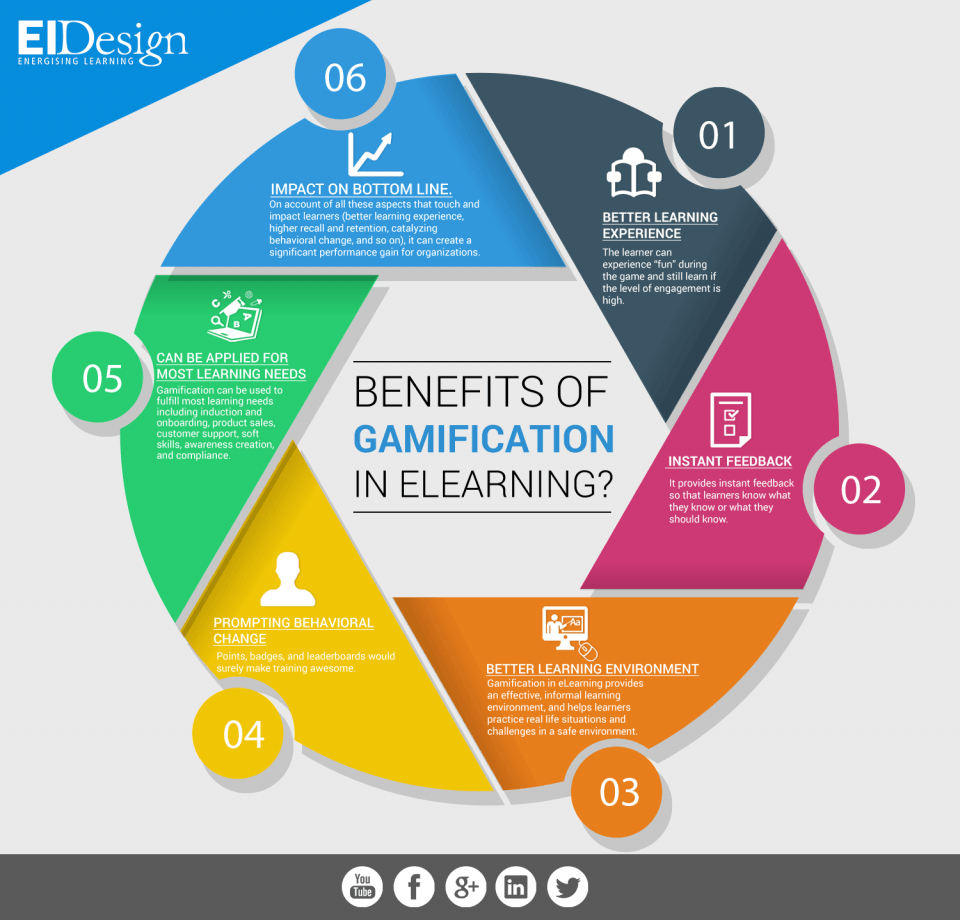
- Personalized Learning Paths: AI algorithms adapt content to individual student needs and interests, creating tailored learning experiences.
- Real-Time Feedback and Rewards: AI provides instant feedback on progress and awards points or virtual rewards, incentivizing learning.
- Social Interaction and Competition: AI facilitates peer collaboration and competition, promoting teamwork and healthy rivalry.
- Adaptive Difficulty: AI adjusts the difficulty level based on student performance, ensuring challenges are stimulating yet achievable.
- Progress Tracking and Visualization: AI tracks and visualizes student progress, providing motivation to stay engaged.
Impact on Learning Motivation:
- Enhanced Intrinsic Motivation: Gamification taps into students’ natural desire for challenge, accomplishment, and social interaction.
- Increased Engagement and Focus: Immersive game-like experiences make learning more enjoyable and captivating.
- Boosted Confidence and Self-Esteem: Successes within the game environment provide students with positive feedback, boosting their confidence.
- Improved Learning Outcomes: Gamification has been shown to improve student performance, knowledge retention, and critical thinking skills.
- Cultivation of Lifelong Learning: By making learning fun and rewarding, gamification fosters a positive attitude towards knowledge acquisition.
Examples of AI-Enabled Gamification in Education:
- Adaptive Learning Platforms: Platforms like Khan Academy and Coursera use AI to create personalized learning paths and provide real-time feedback.
- Virtual Reality Simulations: VR experiences, such as Google Expeditions, immerse students in engaging learning environments.
- Quizzes and Games: Educational games like Kahoot! and Quizlet use AI to track progress and provide personalized feedback.
- Simulation-Based Learning: AI-powered simulations, such as Flight Simulator, allow students to practice complex skills in a safe and realistic environment.
- Collaborative Projects: AI-powered tools like Google Classroom and Microsoft Teams facilitate peer collaboration and provide feedback on group work.
Conclusion:
The integration of gamification into AI-enhanced learning experiences unlocks a wealth of opportunities for student engagement and motivation. By leveraging AI’s capabilities, educators can create immersive and personalized learning environments that ignite a passion for knowledge and foster lifelong learning. As AI continues to evolve, we can expect even more innovative and effective gamification applications in education.## Engaging Students Through Gamification: AI’s Impact on Learning Motivation
Executive Summary
Gamification, the integration of game elements into non-game contexts, has emerged as a powerful tool to enhance student motivation and engagement. Artificial Intelligence (AI) is further revolutionizing gamification by enabling personalized, adaptive learning experiences. This article explores the multifaceted impact of AI on gamification, discussing its benefits, challenges, and best practices. By leveraging AI’s capabilities, educators can create immersive, engaging learning environments that foster students’ intrinsic motivation and drive academic excellence.
Introduction
Education is undergoing a paradigm shift, with gamification and AI playing central roles. Gamification introduces game mechanics such as points, rewards, leaderboards, and challenges into learning contexts, transforming mundane tasks into exciting endeavors. AI, with its ability to analyze learner data, tailor content, and provide real-time feedback, amplifies the transformative potential of gamification.
FAQs
1. What is the role of AI in gamification?
AI serves as an intelligent engine, powering personalized learning experiences, adapting to students’ needs and progress, and delivering real-time feedback.
2. How does AI enhance student motivation?
AI-powered gamification aligns with students’ intrinsic motivations, fostering a sense of accomplishment, curiosity, and social connection through positive reinforcement.
3. What are the challenges of implementing AI-powered gamification?
Designing effective AI-enabled games, addressing ethical considerations, and providing adequate technical support are some key challenges to overcome.
Subtopics
1. Personalized Learning
- AI analyzes individual learner data to identify knowledge gaps and tailor learning paths.
- Adaptive algorithms adjust difficulty levels and content based on student performance.
- Real-time feedback provides timely and personalized guidance.
2. Immersive Experiences
- AI enables immersive learning environments through virtual reality, augmented reality, and interactive simulations.
- Students engage with content in a multisensory way, fostering deeper understanding and retention.
- Gamified challenges simulate real-world scenarios, providing practical application.
3. Social Engagement
- AI facilitates collaborative learning by connecting students with peers in virtual classrooms.
- Social rewards and leaderboards foster healthy competition and a sense of community.
- Cooperative games encourage teamwork and problem-solving.
4. Data-Driven Insights
- AI tracks student progress, identifies patterns, and provides educators with valuable insights.
- Data analytics help identify areas for improvement and personalize teaching strategies.
- Quantifiable metrics facilitate data-driven decision-making.
5. Skill Development
- AI-powered gamification allows students to practice specific skills in a fun and engaging way.
- Virtual simulations and interactive games provide opportunities to develop critical thinking, problem-solving, and communication skills.
- Gamified assessments evaluate skills in a more engaging and authentic manner.
Conclusion
The integration of AI into gamification is revolutionizing the way students learn. By leveraging AI’s capabilities, educators can create personalized, immersive, and engaging learning experiences that ignite students’ intrinsic motivation and drive academic achievement. Gamification, powered by AI, has the potential to transform education into a truly captivating and meaningful endeavor for all.
Keyword Tags
- Gamification
- Artificial Intelligence (AI)
- Personalized Learning
- Immersive Experiences
- Student Motivation