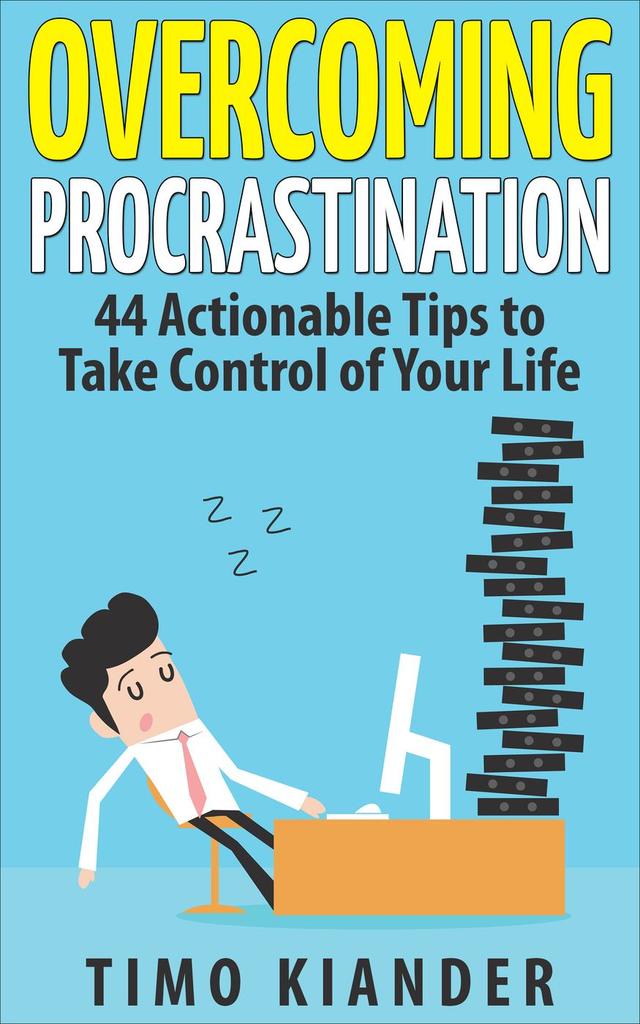
Overcoming Procrastination: Tips For Achieving Academic Goals
Procrastination is a common obstacle faced by students at all levels. It can have a significant impact on academic performance, leading to missed deadlines, lower grades, and increased stress. However, with the right strategies, procrastination can be overcome.

1. Identify Your Triggers:

- Determine the situations or tasks that trigger procrastination for you. Common triggers include:
- Lack of motivation
- Feeling overwhelmed
- Fear of failure
- Perfectionism
2. Break Down Large Tasks:
- Overwhelming tasks can be intimidating, contributing to procrastination. Break them down into smaller, more manageable chunks. This will make them seem less daunting.
3. Set Specific and Realistic Goals:
- Avoid setting vague or unrealistic goals. Instead, focus on specific tasks that you can achieve in a defined time frame. This will provide a sense of direction and reduce uncertainty.
4. Use a Planner or To-Do List:
- Keep track of your assignments, deadlines, and tasks using a physical or digital planner. Visualizing what needs to be done can help motivate you to start.
5. Prioritize Tasks:
- Determine the most important tasks and focus on them first. Use the Eisenhower Matrix to categorize tasks based on urgency and importance.
6. Use the Pomodoro Technique:
- Break down work into intervals (e.g., 25 minutes of focused work followed by 5 minutes of break). This technique helps prevent burnout and improves focus.
7. Reward Yourself:
- Set up small rewards for completing tasks. This will provide positive reinforcement and make procrastination less appealing.
8. Create a Conducive Environment:
- Find a place where you can work without distractions. Ensure that it is well-lit, comfortable, and free from noise.
9. Avoid Distractions:
- Turn off your phone or use apps that block distracting websites. Consider using noise-canceling headphones to create a focused work environment.
10. Seek Support:
- If you struggle with procrastination, don’t hesitate to seek support. Talk to a counselor, teacher, or friend who can provide guidance and encouragement.
Remember, overcoming procrastination is a journey that requires consistency and effort. By implementing these strategies, you can break the cycle of procrastination and achieve your academic goals.## Overcoming Procrastination: Tips For Achieving Academic Goals
Executive Summary
Procrastination is a common problem that can significantly hinder academic progress. This article will explore five key subtopics to overcome procrastination and achieve academic goals: Establishing a conducive environment, setting achievable goals, utilizing effective time management strategies, implementing self-care practices, and seeking professional help when necessary.
Introduction
Procrastination is the act of intentionally delaying or postponing a task despite knowing the adverse consequences. It can stem from various factors, including fear of failure, perfectionism, and lack of motivation. Overcoming procrastination requires a comprehensive approach that addresses both internal and external factors. By implementing the tips outlined in this article, students can effectively combat procrastination and enhance their academic performance.
FAQs
- What are the signs of procrastination?
- How does procrastination affect academic performance?
- What are the benefits of overcoming procrastination?
Five Subtopics for Overcoming Procrastination
1. Establish a Conducive Environment
- Eliminate distractions: Create a distraction-free study space where you can focus on your tasks.
- Set clear boundaries: Establish designated study times and stick to them, avoiding interruptions.
- Organize your workspace: A clutter-free and well-organized workspace promotes clarity and efficiency.
2. Set Achievable Goals
- Break down tasks: Large tasks can seem overwhelming. Divide them into smaller, manageable chunks to make them less daunting.
- Set realistic deadlines: Avoid setting overly ambitious deadlines that lead to stress and procrastination.
- Reward yourself: Celebrate your accomplishments along the way to stay motivated and avoid burnout.
3. Utilize Effective Time Management Strategies
- Prioritize tasks: Identify and focus on the most important tasks first, using a to-do list or Eisenhower matrix.
- Use a planner: Plan your study sessions and deadlines in advance to stay organized and avoid last-minute panic.
- Take breaks: Regular breaks help prevent burnout and improve focus.
4. Implement Self-Care Practices
- Get enough sleep: Sleep deprivation impairs concentration and productivity. Aim for 7-9 hours of quality sleep each night.
- Exercise regularly: Physical activity releases endorphins, which boost mood and reduce stress.
- Practice mindfulness: Mindfulness techniques, such as meditation, help calm the mind and reduce anxiety.
5. Seek Professional Help When Necessary
- Identify potential underlying causes: If procrastination persists despite implementing the above tips, consider seeking professional help to address any underlying mental health issues.
- Explore therapy options: Therapy can provide a safe and supportive environment to address procrastination patterns and develop coping mechanisms.
- Utilize academic support services: Many universities and colleges offer academic support services, such as tutoring, counseling, and time management workshops.
Conclusion
Overcoming procrastination requires a multifaceted approach that addresses both internal and external factors. By establishing a conducive environment, setting achievable goals, utilizing effective time management strategies, implementing self-care practices, and seeking professional help when necessary, students can effectively combat procrastination and achieve their academic aspirations. Embracing these tips will not only enhance academic performance but also cultivate self-discipline and resilience, which are valuable life skills for success beyond the classroom.
Relevant Keyword Tags
- Procrastination
- Academic Goals
- Time Management
- Self-Care
- Professional Help