
1. Establish Clear and Specific Goals:
- Define your academic aspirations explicitly, outlining what you aim to achieve and by when.
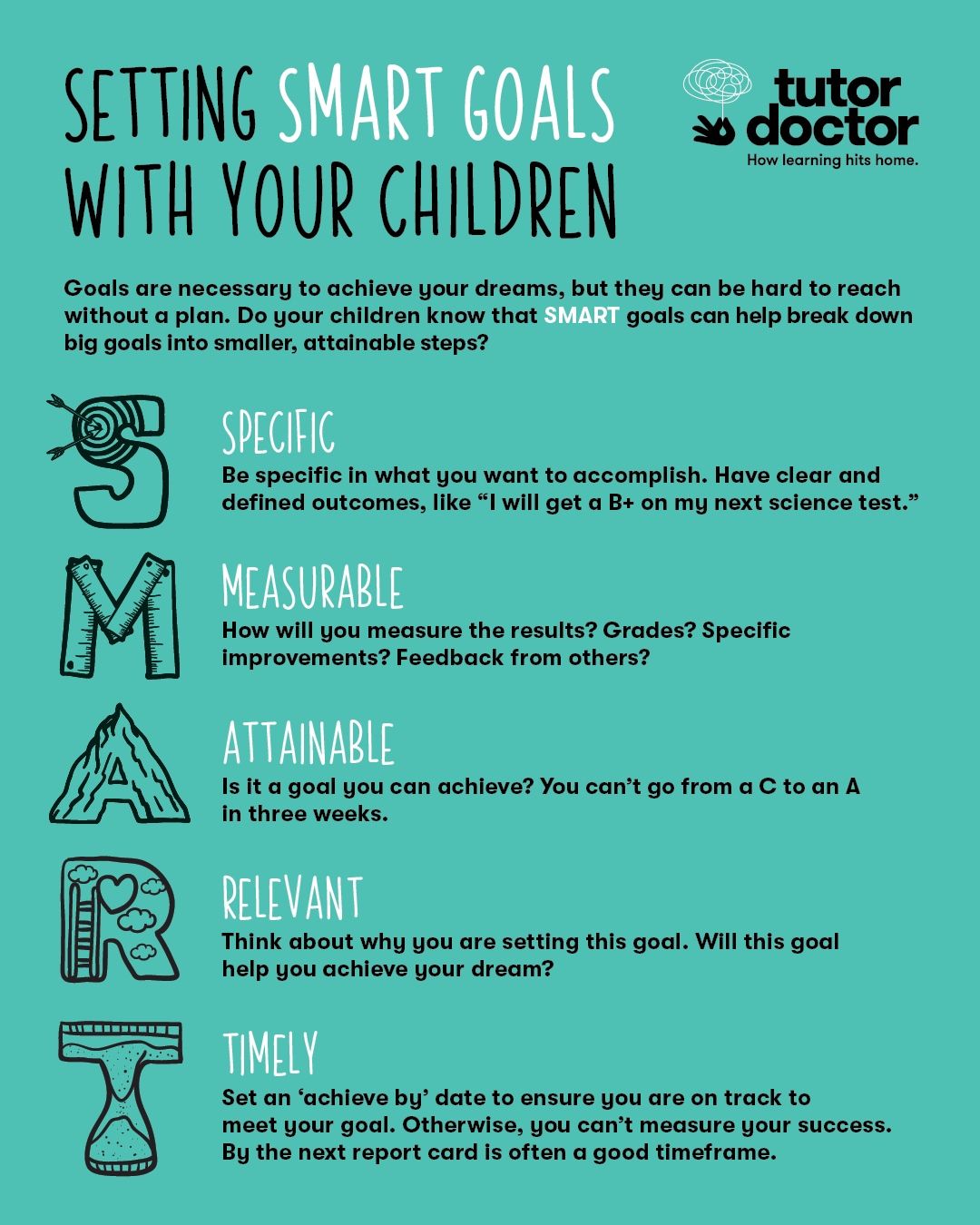
- Use the SMART (Specific, Measurable, Achievable, Relevant, Time-Bound) framework to ensure your goals are well-defined.
2. Track Your Activities and Progress:
- Keep a journal or spreadsheet to record your study sessions, assignments completed, and any relevant activities.
- Note the time spent on each task and specific accomplishments.
3. Use Self-Assessments and Quizzes:

- Regularly assess your understanding through practice tests, homework assignments, and online quizzes.
- Identify areas where you excel and areas that require improvement.
4. Monitor Grades and Feedback:
- Track your grades and analyze your performance on assignments and exams.
- Seek feedback from professors and peers to identify strengths and weaknesses.
5. Compare to Benchmarks:
- Establish benchmarks or target scores for assignments and exams.
- Compare your performance against these benchmarks to gauge your progress.
6. Set Realistic Timelines:
- Break down your academic goals into smaller, manageable tasks.
- Assign realistic deadlines to each task to avoid feeling overwhelmed.
7. Track Milestones:
- Set up milestones or checkpoints along your journey towards achieving your goals.
- Celebrate your achievements at each milestone to stay motivated.
8. Adjust Your Approach:
- Regularly review your progress and identify areas where you can improve.
- Adjust your study strategies, time management techniques, and resources as needed.
9. Seek Support and Feedback:
- Reach out to professors, tutors, or study groups for guidance and support.
- Get feedback from others on your progress and areas for growth.
10. Celebrate Your Successes:
- Acknowledge and reward your accomplishments, both big and small.
- This positive reinforcement will boost your motivation and keep you on track.
Additional Tips:
- Use a task manager or planner to stay organized and prioritize tasks.
- Set aside dedicated study time and create a conducive study environment.
- Break up large assignments into smaller chunks to make them more manageable.
- Take breaks and engage in non-academic activities to prevent burnout.
- Stay motivated by visualizing your future achievements and the benefits of reaching your goals.## How To Measure Your Progress Toward Academic Goals
Executive Summary
Measuring your progress towards academic goals is essential for staying motivated and on track. This article will provide you with five key metrics to track your progress, as well as tips on how to use them effectively. By following the advice in this article, you can set yourself up for success in your academic pursuits.
Introduction
As a student, it is important to be able to measure your progress towards your academic goals. This will help you stay motivated and on track, and it will also allow you to make necessary adjustments along the way. There are a number of different ways to measure your progress, and the best method will vary depending on your individual goals and circumstances.
FAQ
How often should I measure my progress?
The frequency with which you measure your progress will depend on your individual goals and circumstances. However, it is generally a good idea to track your progress at least once a week. This will help you stay on top of your studies and make sure that you are making progress towards your goals.
What are some of the best ways to measure my progress?
There are a number of different ways to measure your progress towards academic goals. Some of the most common methods include:
* **Keeping a journal or planner**
    * Use it to track your assignments, due dates, and accomplishments.
    * Reflect on your progress and identify areas where you need to improve.
* **Using a grade tracker**
    * Available online or in app form.
    * Input your grades and track your progress over time.
    * See how you are performing compared to your classmates or previous semesters.
* **Setting milestones**
    * Break down your goals into smaller, more manageable tasks.
    * Celebrate your accomplishments as you reach each milestone.
* **Getting feedback from others**
    * Ask your teachers, professors, or classmates for feedback on your work.
    * Use their feedback to identify areas where you can improve.
* **Taking practice tests**
    * Practice tests can help you identify areas where you need to focus your studies.
Top 5 Subtopics
1. Setting Goals
The first step to measuring your progress is to set clear and achievable goals. Your goals should be:
* **Specific:** What do you want to achieve?
* **Measurable:** How will you know when you have achieved your goal?
* **Achievable:** Is your goal realistic?
* **Relevant:** Is your goal aligned with your overall academic goals?
* **Time-bound:** When do you want to achieve your goal?
2. Tracking Your Progress
Once you have set your goals, you need to track your progress towards achieving them. This will help you stay motivated and on track. There are a number of different ways to track your progress. Some of the most common methods include:
* **Keeping a journal**
* **Using a grade tracker**
* **Setting milestones**
* **Getting feedback from others**
* **Taking practice tests**
3. Evaluating Your Progress
Once you have tracked your progress, you need to evaluate it to see how you are doing. This will help you identify areas where you need to improve. There are a number of different ways to evaluate your progress. Some of the most common methods include:
* **Comparing your progress to your goals**
* **Identifying areas where you are struggling**
* **Getting feedback from others**
* **Making adjustments to your study plan**
4. Making Adjustments
Based on your evaluation, you may need to make adjustments to your study plan. This is a normal part of the learning process. Don’t be afraid to make changes if you are not making progress towards your goals. Some of the most common adjustments include:
* **Changing your study methods**
* **Getting extra help**
* **Setting new goals**
5. Staying Motivated
Staying motivated is essential for achieving your academic goals. There are a number of different ways to stay motivated. Some of the most common methods include:
* **Setting realistic goals**
* **Breaking down your goals into smaller tasks**
* **Rewarding yourself for your accomplishments**
* **Getting support from others**
* **Focusing on the positive**
Conclusion
Measuring your progress towards academic goals is essential for staying motivated and on track. By following the advice in this article, you can set yourself up for success in your academic pursuits. Remember to set clear and achievable goals, track your progress, evaluate your progress, make adjustments, and stay motivated.
Relevant Keyword Tags
- progress tracking
- academic goals
- measurement
- evaluation
- adjustment