Step 1: Assess Your Current Situation
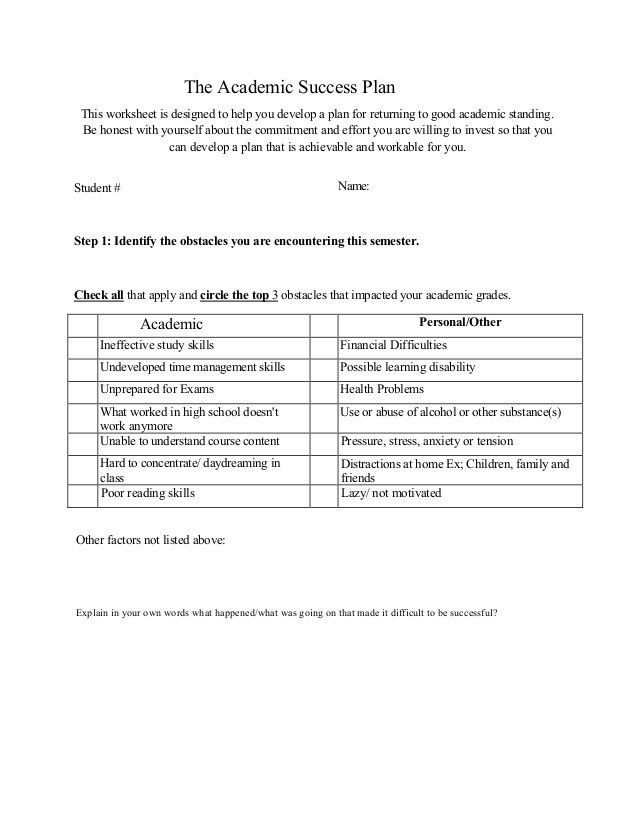
- Review your transcript and identify strengths and areas for improvement.
- Consider your learning style, interests, and goals.
- Reflect on past successes and challenges.
Step 2: Set Clear Goals
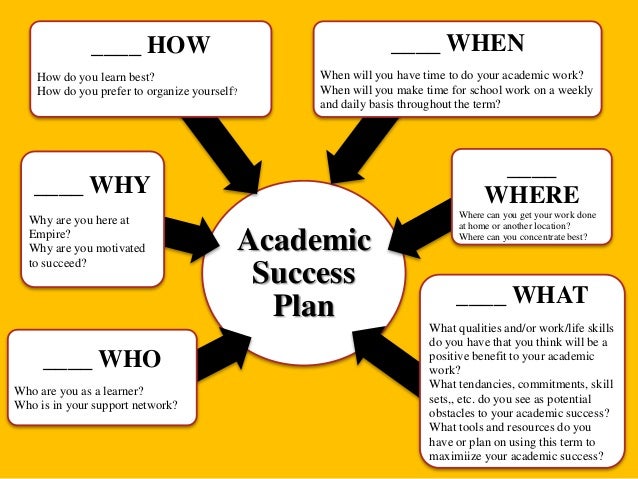
- Establish specific, measurable, achievable, relevant, and time-bound (SMART) goals.
- Consider short-term, mid-term, and long-term objectives.
- Break down large goals into smaller, manageable tasks.
Step 3: Develop a Course Schedule
- Map out a sequence of courses that align with your goals.
- Consider course prerequisites, workload, and scheduling conflicts.
- Prioritize courses based on their importance and urgency.
Step 4: Allocate Time Wisely
- Determine how much time you can allocate to studying per week.
- Create a schedule that balances academic responsibilities, other activities, and personal time.
- Stick to your schedule as much as possible.
Step 5: Choose Effective Study Strategies
- Experiment with different study methods to determine what works best for you (e.g., active recall, spaced repetition).
- Seek guidance from faculty, tutors, or academic support services.
- Utilize campus resources like libraries, writing centers, and tutoring.
Step 6: Practice Self-Care
- Prioritize sleep, nutrition, and exercise.
- Take breaks to avoid burnout and maintain focus.
- Engage in activities that bring you joy and reduce stress.
Step 7: Seek Support When Needed
- Reach out to professors, classmates, and academic advisors for assistance when needed.
- Join study groups or connect with classmates who can offer support.
- Utilize resources like counseling services or mental health support.
Step 8: Adjust and Revise
- Regularly review your academic plan and make adjustments as necessary.
- Reflect on your progress and identify areas where you can improve.
- Celebrate your successes and learn from your mistakes.
Additional Tips:
- Set realistic expectations and don’t overwhelm yourself.
- Break down tasks into smaller steps to make them less daunting.
- Reward yourself for completing tasks and achieving goals.
- Stay organized and keep track of your progress.
- Don’t be afraid to ask for help when needed.## How To Create An Academic Plan For Success
Executive Summary
An academic plan is a roadmap for your educational journey. Creating one can help you set goals, track progress, and identify areas for improvement. This article will provide a step-by-step guide on how to create an academic plan that will help you achieve your goals.
Introduction
As a student, it is important to have a plan for your academic success. An academic plan will help you set goals, track your progress, and identify areas for improvement. This article will provide a step-by-step guide on how to create an academic plan that will help you achieve your goals.
FAQ
1. What is an academic plan?
An academic plan is a document that outlines your educational goals, objectives, and strategies. It is a roadmap for your academic journey.
2. Why is an academic plan important?
An academic plan is important because it provides a framework for your academic success. It helps you set goals, track your progress, and identify areas for improvement.
3. How do I create an academic plan?
Follow the step-by-step guide in this article to create an academic plan.
Top 5 Subtopics
Setting Goals
Goals are the foundation of your academic plan. They should be specific, measurable, achievable, relevant, and time-bound. SMART goals will help you stay motivated and on track.
- Specific: Your goals should be clear and concise.
- Measurable: Your goals should be quantifiable so that you can track your progress.
- Achievable: Your goals should be challenging but within reach.
- Relevant: Your goals should be aligned with your academic interests and aspirations.
- Time-bound: Your goals should have a specific deadline.
Setting a Schedule
Once you have set your goals, you need to create a schedule that will help you achieve them. Your schedule should be realistic and flexible. Allow for some buffer time in case of unexpected events.
- Block out time for studying: Schedule specific times each day for studying.
- Set priorities: Decide which tasks are most important and allocate more time to them.
- Break down large tasks: If you have a large task, break it down into smaller, more manageable pieces.
- Take breaks: It is important to take breaks throughout the day to avoid burnout.
- Reward yourself: Set small rewards for yourself to stay motivated.
Time Management
Time management is one of the most important skills for academic success. There are a number of time management techniques that you can use to help you stay on track.
- The Pomodoro Technique: This technique involves breaking down your work into intervals, typically 25 minutes, followed by a short break.
- The Eisenhower Matrix: This matrix helps you prioritize your tasks based on their urgency and importance.
- The 80/20 Rule: This rule states that 20% of your efforts will produce 80% of your results.
- Batch processing: This technique involves grouping similar tasks together and doing them all at once.
- Delegation: If possible, delegate tasks to others to free up your time.
Motivation
Motivation is essential for academic success. There are a number of ways to stay motivated throughout your academic journey.
- Set realistic goals: If your goals are too ambitious, you may become discouraged.
- Find a support system: Surround yourself with people who will support you and encourage you to reach your goals.
- Celebrate your successes: Take time to reflect on your accomplishments and celebrate your progress.
- Learn from your mistakes: Everyone makes mistakes. The important thing is to learn from them and move on.
- Stay positive: A positive attitude can make a big difference in your academic success.
Resources
There are a number of resources available to help you succeed in your academic pursuits.
- Academic advisors: Academic advisors can provide you with guidance and support.
- Tutors: Tutors can help you with specific subjects or topics.
- Learning centers: Learning centers offer a variety of services, such as tutoring, workshops, and study groups.
- Libraries: Libraries are a great place to find books, articles, and other resources.
- Online resources: There are a number of online resources available to help you with your studies.
Conclusion
Creating an academic plan is an important step towards achieving your academic goals. By following the steps outlined in this article, you can create a plan that will help you stay on track, improve your time management, and achieve success in your academic pursuits.
Keyword Tags
- Academic plan
- Goal setting
- Time management
- Motivation
- Resources