Effective Planning Skills for Students: Creating a Workable Schedule
1. Assess Current Time Usage:
- Track your activities for a week to identify time-wasters and areas where you can optimize.
- Use a time tracking app or simply write down what you do each hour.
2. Set Clear Goals and Priorities:
- Determine what tasks are most important and need immediate attention.
- Prioritize tasks based on urgency and importance using the Eisenhower Matrix or another prioritizing system.
3. Create a Master Schedule:
- Divide the day into time slots, including:
- Study time
- Class time
- Breaks
- Meals
- Sleep
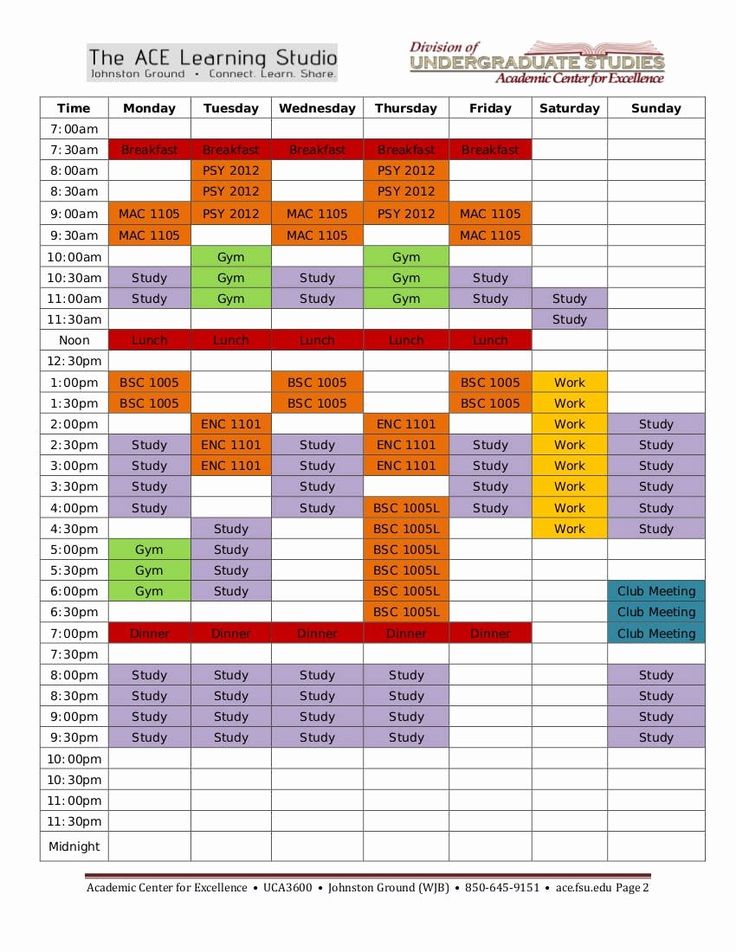
- Allocate specific time slots to different activities using a calendar or planner.
4. Break Down Large Tasks:
- If you have a big project or assignment, break it down into smaller, manageable chunks.
- This makes tasks seem less daunting and easier to tackle.
5. Schedule Breaks:
- Regular breaks are crucial for staying focused and productive.
- Schedule short breaks (5-15 minutes) throughout the day, especially after completing a challenging task.
6. Be Flexible:
- Life is unpredictable, so don’t be afraid to adjust your schedule as needed.
- If an unexpected task or event arises, re-evaluate your priorities and allocate time accordingly.
7. Use Technology to Your Advantage:
- Utilize calendar apps, task management tools, and reminders to stay organized and on track.
- Digital calendars allow you to color-code tasks, set recurring events, and sync across devices.
8. Find an Accountability Partner:
- Consider sharing your schedule with a friend, family member, or study buddy.
- Having someone hold you accountable can help you stay motivated and disciplined.
9. Rewards and Consequences:
- Reward yourself for completing tasks or sticking to your schedule.
- Set consequences for procrastinating or failing to meet deadlines. This can help you create a positive reinforcement system.
10. Evaluate and Adjust:
- Regularly review your schedule and make adjustments as needed.
- Evaluate your productivity and identify areas for improvement.
- Don’t be afraid to experiment with different scheduling techniques until you find what works best for you.
Remember, creating a workable schedule is a skill that takes time and practice to master. With persistence and the right tools, you can develop effective planning skills that will enhance your academic success and time management abilities.## Planning Skills For Students: How To Create A Schedule That Works
Executive Summary
Planning skills are essential for students to succeed in their academic pursuits. This article provides a comprehensive guide on how to create a schedule that works, covering various aspects such as time management, setting priorities, and incorporating flexibility.
Introduction
In the fast-paced environment of student life, effective planning is crucial for managing academic responsibilities, extracurricular activities, and personal obligations. Creating a well-structured schedule can help students optimize their time, reduce stress, and achieve their goals.
FAQ
1. Why is creating a schedule important for students?
- Enhances time management skills
- Reduces procrastination and stress
- Improves focus and productivity
- Allows for more efficient use of time
- Promotes a sense of accomplishment
2. How often should I review my schedule?
- Regularly check in with your schedule to make adjustments as needed
- Review weekly to ensure it aligns with current commitments and workload
- Consider adjusting monthly to accommodate changes in semester progression
3. How do I handle unexpected events that disrupt my schedule?
- Create a buffer of free time within your schedule for unforeseen circumstances
- Prioritize tasks and allocate extra time to critical assignments
- Seek support from peers, tutors, or professors when needed
Subtopics
Breaking Down Tasks
- Divide large assignments into smaller chunks
- Estimate the time required for each subtask
- Create a detailed plan that outlines the steps involved
Setting Priorities
- Determine the most important tasks (e.g., deadlines, high-stakes assignments)
- Allocate more time to priority tasks
- Consider using a to-do list or task manager to track progress
Time Blocking
- Designate specific time slots for different activities (e.g., studying, classes, breaks)
- Use a calendar or planner to visualize your schedule
- Avoid overbooking by leaving some wiggle room for flexibility
Flexibility and Adjustment
- Recognize that changes may occur and adjust accordingly
- Be prepared to shift priorities or reschedule tasks as needed
- Allow for some unscheduled time to accommodate unexpected events
Regular Review and Reflection
- Regularly review your schedule to ensure it remains effective
- Reflect on your progress and make adjustments to optimize your time management
- Seek feedback from peers, mentors, or advisors to improve your planning skills
Conclusion
Developing effective planning skills is essential for students to thrive in their academic journey. By implementing the strategies outlined in this article, students can create a schedule that aligns with their goals, reduces stress, and maximizes their productivity. Regular review and adjustment are crucial to ensure that the schedule remains relevant and tailored to their needs. By embracing these principles, students can harness the power of planning to achieve academic success and personal fulfillment.
Keyword Tags:
- Planning Skills for Students
- Time Management
- Setting Priorities
- Flexibility in Scheduling
- Academic Productivity