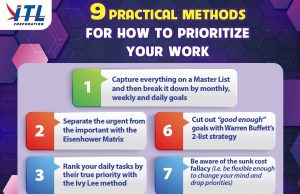
Achieving Academic Excellence through Effective Time Management

Introduction:
Time management is crucial for students to maximize their academic potential. Effective time management strategies can help students manage their coursework, extracurricular activities, and personal obligations while maintaining good physical and mental health.
Benefits of Effective Time Management:
- Increased Productivity: Allows students to complete assignments and study effectively, leading to higher grades.
- Reduced Stress: Minimizes procrastination and promotes a sense of control over academic responsibilities.
- Enhanced Focus: Enables students to dedicate time to specific tasks without distractions, improving concentration.
- Improved Health: Regular sleep schedules and balanced time allocation contribute to overall well-being.
- Personal Growth: Teaches students valuable life skills such as organization, prioritization, and self-discipline.
Strategies for Effective Time Management:

1. Set Goals and Prioritize Tasks:
- Define clear academic goals and break them down into smaller, manageable chunks.
- Use a planner or calendar to prioritize tasks based on importance and urgency.
2. Create a Schedule and Stick to It:
- Establish a consistent study and homework routine to create structure and reduce procrastination.
- Allocate specific time slots for classes, assignments, extracurriculars, and breaks.
3. Utilize Technology:
- Use apps or software to track assignments, create to-do lists, and set reminders.
- Consider productivity tools like task management apps or noise-canceling headphones.
4. Take Breaks and Reward Yourself:
- Schedule regular breaks throughout the day to prevent burnout and maintain focus.
- Reward yourself for completing tasks to stay motivated and reinforce positive behavior.
5. Delegate and Ask for Help:
- Identify tasks that can be delegated to others, such as forming study groups or seeking assistance from tutors.
- Do not hesitate to ask for help from professors, peers, or family members when needed.
6. Evaluate and Adjust:
- Regularly assess your time management strategies and make adjustments as necessary.
- Identify areas where you can improve efficiency and eliminate time wasters.
7. Practice Self-Care:
- Prioritize sleep, exercise, and healthy eating to maintain physical and mental well-being.
- Engage in activities that bring joy and relaxation to prevent burnout.
Conclusion:
Effective time management is an essential skill for achieving academic excellence. By implementing these strategies, students can maximize their productivity, reduce stress, enhance focus, improve health, and foster personal growth. Remember that consistency and adaptability are key to developing and maintaining effective time management habits. With the right mindset and techniques, students can unlock their full academic potential while maintaining a healthy and balanced lifestyle.## Achieving Academic Excellence Through Effective Time Management
Executive Summary
Time management is a crucial skill for academic success. Students who effectively manage their time are more likely to achieve higher grades, complete assignments on time, and reduce stress. This article provides a comprehensive guide to help students master time management techniques and unlock their academic potential.
Introduction
In the fast-paced and demanding academic environment, effective time management is an essential ingredient for success. By optimizing their time, students can maximize their academic performance, minimize stress, and achieve their goals. This article will delve into the fundamental principles of time management, providing practical strategies and techniques to help students excel in their studies.
FAQs
Why is time management important for students?
- Enhances academic performance by allowing for focused study and assignment completion.
- Reduces stress by preventing procrastination and overwhelming workloads.
- Promotes work-life balance by freeing up time for extracurricular activities, social connections, and self-care.
How can I assess my time management skills?
- Track time spent on academic tasks, breaks, and distractions.
- Identify areas where time is wasted or underutilized.
- Evaluate the effectiveness of current time management strategies.
What are some common challenges to time management for students?
- Procrastination
- Distractions (social media, notifications, etc.)
- Excessive extracurricular activities
- Lack of motivation or focus
- Inefficient study habits
Top 5 Subtopics for Effective Time Management
1. Prioritization and Goal Setting
- Define clear goals and objectives for each semester, term, and assignment.
- Create a prioritized to-do list that aligns with these goals.
- Break down large tasks into smaller, manageable chunks.
2. Scheduling and Planning
- Create a weekly schedule that includes dedicated study time, class attendance, breaks, and leisure activities.
- Use a calendar or planner to track appointments, deadlines, and upcoming events.
- Adjust the schedule regularly to accommodate changes in workload or priorities.
3. Time Blocking
- Allocate specific blocks of time in the schedule for different academic tasks.
- Dedicate each block to a particular subject or assignment and avoid distractions.
- Use a timer to enforce time limits and minimize multitasking.
4. Task Delegation and Collaboration
- Identify tasks that can be delegated to classmates, group members, or support staff.
- Collaborate on projects to share workloads and leverage diverse skills.
- Seek assistance from professors, teaching assistants, or tutors when needed.
5. Avoiding Distractions and Procrastination
- Create a dedicated study environment that minimizes distractions.
- Use technology tools to block distracting websites or apps.
- Break down procrastination into smaller steps and reward yourself for completing tasks.
Conclusion
Effective time management is a transformative skill that empowers students to excel in their academic pursuits and unlock their full potential. By implementing the strategies outlined in this article, students can optimize their time, achieve higher grades, and navigate the demands of student life with confidence and success. Remember, time management is an ongoing process that requires practice and adjustment. Embrace the principles of prioritization, scheduling, time blocking, delegation, and distraction avoidance, and you will unlock the key to academic excellence.
Keyword Tags
- Academic Excellence
- Time Management
- Prioritization
- Scheduling
- Time Blocking