
Smart Classrooms: Empowering Educators with Learning Analytics
Smart classrooms are transforming the educational landscape by providing educators with unprecedented insights into student learning through learning analytics. This data-driven approach empowers teachers to tailor instruction, identify areas for improvement, and enhance student outcomes.
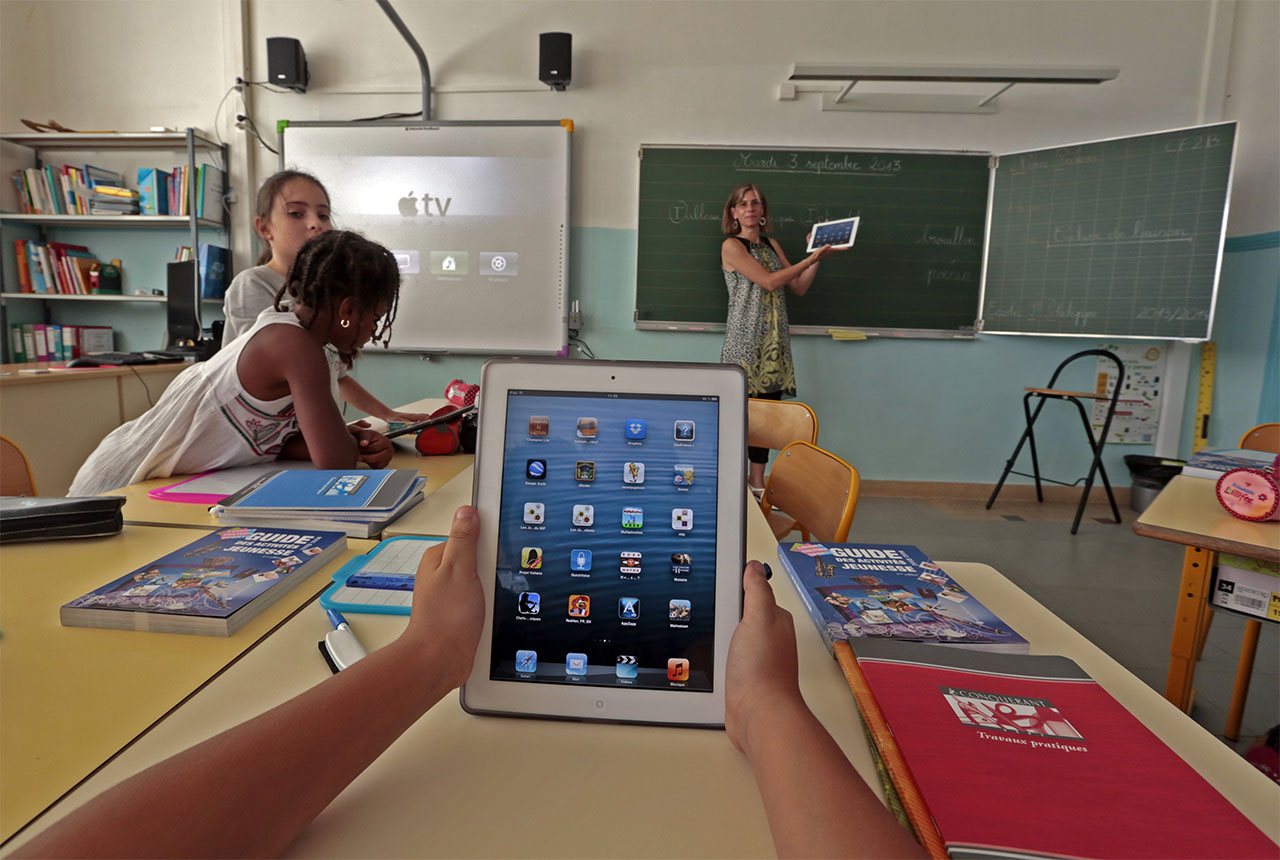
Benefits of Learning Analytics in Smart Classrooms:

- Personalized Learning: Learning analytics identify individual student strengths and weaknesses, enabling teachers to differentiate instruction and create personalized learning paths.
- Improved Assessment: Online platforms and apps provide real-time data on student progress, allowing teachers to monitor students’ understanding and make timely adjustments.
- Early Intervention: Learning analytics can detect early indicators of struggling students, alerting teachers to intervene promptly and provide additional support.
- Gamification and Motivation: Smart classrooms often incorporate gamification elements that motivate students and make learning more engaging.
- Teacher Professional Development: Learning analytics provide teachers with data to reflect on their teaching practices and identify areas for improvement.
How Learning Analytics Work:
Smart classrooms utilize technology to collect data on student performance, such as:
- Quiz and test scores
- Assignments and homework completion
- Participation in online forums and discussions
- Video and audio recordings of lectures and discussions
- Time spent on tasks
This data is analyzed using algorithms and artificial intelligence (AI) to identify patterns and trends, providing educators with actionable insights.
Challenges and Considerations:
- Data Privacy and Security: Ensuring the confidentiality and security of student data is paramount.
- Teacher Training: Effective use of learning analytics requires teachers to receive adequate training and support.
- Bias and Fairness: AI algorithms should be carefully vetted to avoid introducing bias or unfairness into assessments.
- Ethical Implications: The use of learning analytics raises ethical concerns about data ownership, transparency, and the potential for surveillance.
Conclusion:
Smart classrooms empowered by learning analytics are revolutionizing education. By providing educators with data-driven insights, they enable personalized learning, improve assessment, enhance student motivation, and support teacher professional development. However, it is crucial to address challenges related to data privacy, teacher training, bias, and ethical implications to ensure the effective and equitable use of learning analytics in classrooms.## Smart Classrooms: Empowering Educators With Learning Analytics
Executive Summary
Smart classrooms are revolutionizing education by providing educators with data-driven insights into student learning. This transformative technology enables teachers to personalize instruction, adapt curriculum, and improve student outcomes. By leveraging learning analytics, educators can create a dynamic and engaging learning environment that empowers students to reach their full potential.
Introduction
In today’s rapidly evolving educational landscape, smart classrooms have emerged as a beacon of innovation. These technology-rich environments are equipped with sophisticated sensors, cameras, and software that collect a wealth of data on student engagement, learning styles, and academic progress. This data empowers educators with unprecedented insights into the strengths and weaknesses of each student, enabling them to tailor instruction and support students in achieving their academic goals.
Frequently Asked Questions (FAQs)
Q1: What are the benefits of smart classrooms for students?
A1: Smart classrooms provide students with personalized learning experiences, tailored to their individual needs and learning styles. Real-time feedback and adaptive content help students improve their understanding, develop problem-solving skills, and foster a love of learning.
Q2: How do smart classrooms help educators?
A2: Smart classrooms equip educators with data-driven insights into student performance, allowing them to identify areas where students need additional support or enrichment. By understanding student engagement and learning patterns, educators can adjust their teaching strategies to maximize effectiveness.
Q3: What are the challenges associated with implementing smart classrooms?
A3: While smart classrooms offer numerous benefits, implementation can pose challenges. These include costs of hardware and software, teacher training, and ensuring data privacy and security.
Top Subtopics in Smart Classrooms
1. Data Collection and Analysis
- Real-time and Continuous Data: Smart classrooms collect data on student engagement, behavior, and academic progress in real time.
- Comprehensive Data Analysis: Advanced analytics tools process this data to identify patterns, predict student performance, and provide personalized recommendations.
- Actionable Insights: Educators gain actionable insights into student learning, enabling them to adjust instruction and provide targeted support.
2. Personalized Learning
- Tailored Content: Students receive differentiated instruction based on their individual learning needs and styles.
- Adaptive Assessments: Smart classrooms adjust assessments in real time to assess student understanding and provide personalized feedback.
- Student Ownership: Students take ownership of their learning by tracking their progress and setting goals.
3. Teacher Empowerment
- Enhanced Lesson Planning: Educators gain data-driven insights into student understanding, allowing them to plan more effective lessons.
- Real-time Intervention: Teachers can monitor student progress and identify struggling students who require immediate support.
- Differentiated Instruction: Smart classrooms facilitate differentiated instruction, allowing teachers to meet the diverse needs of students.
4. Collaboration and Communication
- Improved Student-Teacher Communication: Students and teachers can interact in real time, fostering open communication and prompt feedback.
- Parent Involvement: Smart classrooms enable easy communication with parents, providing them with insights into their child’s progress.
- Community Building: Smart classrooms promote collaboration among students, teachers, and parents, creating a supportive learning community.
5. Accessibility and Inclusion
- Universal Design for Learning: Smart classrooms incorporate universal design principles, making learning accessible to students with diverse abilities.
- Equity and Inclusion: All students have equitable access to learning resources and opportunities, regardless of their backgrounds or needs.
- Adaptive Technology: Assistive technologies and software help students with disabilities participate fully in the learning process.
Conclusion
Smart classrooms are transformative learning environments that empower educators with data-driven insights into student learning. By leveraging learning analytics, teachers can personalize instruction, adapt curriculum, and improve student outcomes. Smart classrooms foster personalized learning, teacher empowerment, collaboration, accessibility, and inclusion. As educational technology continues to evolve, smart classrooms will undoubtedly play an increasingly vital role in shaping the future of education.
Keyword Tags
- Smart Classrooms
- Learning Analytics
- Personalized Learning
- Teacher Empowerment
- Educational Technology